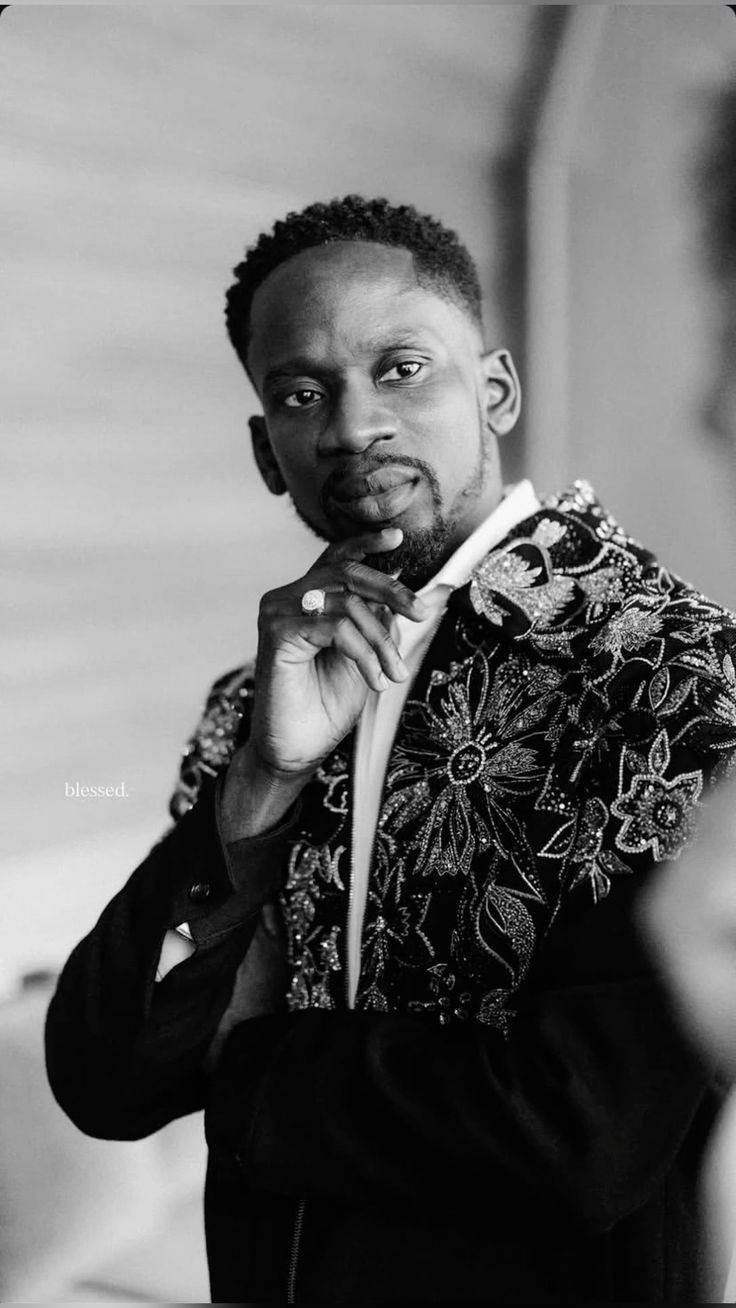
JOS – The journey of Panshak Henry Zamani, known to the global music community as Ice Prince Zamani, is a narrative that mirrors the resilience, volatility, and eventual triumph of the modern Nigerian spirit. In an exclusive and deeply candid reflection on his life and career, the iconic artist has pulled back the curtain on a transformation that spans far beyond his discography. It is a story of survival, of the raw hustle of the streets, and of a deliberate, profound pivot toward a life of clarity and renewed purpose. Through this conversation, we are invited to witness the metamorphosis of a man who has lived through the extremes of the industry and emerged with a vision that is as grounded as it is ambitious.
The roots of this story are planted deep in the soil of Jos, Plateau State. For Ice Prince, his identity as an Angas man is not merely a geographic designation; it is a lens through which he views the world’s inherent challenges. He speaks of the 2001 Jos crisis not as a distant historical event, but as a defining moment of trauma and loss. The vivid, haunting memory of losing his friend, Duna, remains a cornerstone of his emotional landscape, serving as a reminder of the fragility of life and the resilience required to move forward in the face of incomprehensible instability. This early exposure to the darker currents of Nigerian history provides the emotional precision that has always permeated his songwriting, grounding his art in a reality that transcends the superficial.
The transition from survival in Jos to stardom in Lagos was a path forged in grit and necessity. Following the death of his father, the closing of university doors due to financial hardship forced him into the life of a "studio rat"—a formative period spent obsessively honing his craft. It was here that he found a pivotal mentor in M.I Abaga, whose influence on Ice Prince’s understanding of poetry and structural songwriting would define his creative trajectory. The "hustle" days in Lagos, characterized by periods of squatting with Genie and his brothers while navigating the predatory complexities of the industry, form the bedrock of his career. It is a classic narrative of the underdog, yet Ice Prince frames it not as a romantic struggle, but as a rigorous, unglamorous apprenticeship that prepared him for the demands of success.

Related article - Uphorial Shopify

Perhaps the most compelling example of his artistic intuition is the history of his seminal hit, "Oleku." While today it stands as a cultural phenomenon that defined a generation, the track was initially rejected by the very label that would later reap its rewards. Ice Prince’s account of this period is a testament to the importance of intelligent curation—knowing, despite the skepticism of those in power, when a song possesses the transformative energy to change a cultural moment. "Oleku" was not just a hit; it was a shift in the sonic architecture of Nigerian music, a moment where the fusion of rhythm and rap felt both entirely new and undeniably classic. It highlights the strategic storytelling that has defined his career: the ability to recognize, capture, and package a feeling that the rest of the world is not yet ready to perceive.
In the present day, Ice Prince’s transformation is as much internal as it is professional. He speaks with remarkable candor about his departure from the high-octane, often self-destructive lifestyle that frequently accompanies fame. His journey to celibacy and the conscious decision to abandon alcohol and smoking are not just lifestyle choices; they are acts of reclamation. He acknowledges the staggering financial toll of his past habits—specifically the massive resources he once channeled into cannabis—and contrasts that with his current commitment to a rigid fitness routine. This is transformational framing at its peak: the recognition that true influence can only be sustained through the disciplined stewardship of one’s own body and mind.
This maturation has also informed his broader economic and social commentary. When discussing the current struggles within Nigeria, and the ongoing security challenges in Jos, Ice Prince opts for a nuanced, forward-looking perspective. He is weary of a media narrative that reduces his home city to a site of recurring crisis. Instead, he speaks with genuine fervor about the beauty of the Plateau and its untapped potential for tourism. He is actively choosing to use his platform to curate a new image of home—one that honors its complex history while demanding a focus on its future growth. It is a sophisticated use of his cultural capital, recognizing that an artist’s role is not just to comment on the present, but to advocate for the possibilities that lie ahead. The final chapter of this reflection is centered on his latest album, Testimony of Grace. For Ice Prince, this title is not just a marketing tag; it is a thematic summary of his current state of being—renewed, refreshed, and anchored in a sense of gratitude that feels earned. The album represents an artist who is no longer chasing the next hit for the sake of the market, but who is creating from a place of genuine, hard-won peace.
Ice Prince Zamani’s journey is ultimately one of evolution. From the young man in Jos grappling with loss to the mentor and executive he has become today, he has navigated the treacherous waters of the music industry without losing the core of his identity. He remains a figure who understands the weight of his own history and the responsibility that comes with his influence. In a culture that often discards its legends as quickly as it elevates them, Ice Prince’s refusal to be static—his insistence on growth, reflection, and personal accountability—serves as a compelling model for what it means to survive and thrive. His story is a testimony to the fact that while the beginning of one’s journey may be marked by hardship, the grace one finds in maturity is the true measure of success. As he looks toward the future, he does so with a clarity that only comes from having walked through the fire and chosen, every step of the way, to keep moving toward the light.