The modern world is currently witnessing a silent, structural transformation of the human brain, and the primary architect of this change is resting in your palm. In a detailed medical exposé, the widely respected health expert known as Aproko Doctor has issued a stark warning regarding the intersection of habitual multitasking and smartphone overuse. While we often view our ability to toggle between emails, social media, and work tasks as a badge of modern efficiency, the clinical reality is far grimmer. The doctor argues that our reliance on these devices is not just a habit, but a physiological disruptor that is physically altering the landscape of our minds.
The cornerstone of this argument lies in the physical degradation of the brain’s architecture. Scientific research highlighted in the report points to a chilling correlation between chronic media multitasking and the density of the Anterior Cingulate Cortex, or the ACC. This specific region of the brain serves as the command center for critical functions including focused attention, emotional regulation, and even empathy. Neuroimaging studies suggest that those who consistently engage with multiple streams of digital information simultaneously exhibit significantly less gray matter in the ACC. In essence, the more we distract ourselves, the more we erode the very part of our brain designed to keep us disciplined and emotionally grounded.
This structural decline is often masked by the pervasive myth of productivity. Aproko Doctor dismantles the long-held belief that the human brain can process multiple high-level tasks at once. From a neurological standpoint, the brain does not operate on a parallel track; instead, it engages in what researchers call "context switching." It rapidly jumps from one task to another, a process that incurs a "switching cost." Every time we glance at a notification while working, we are not multitasking; we are fracturing our attention. This leads to a measurable decrease in accuracy, a decline in memory retention, and an overall drop in cognitive performance that leaves the individual feeling drained despite having accomplished less.
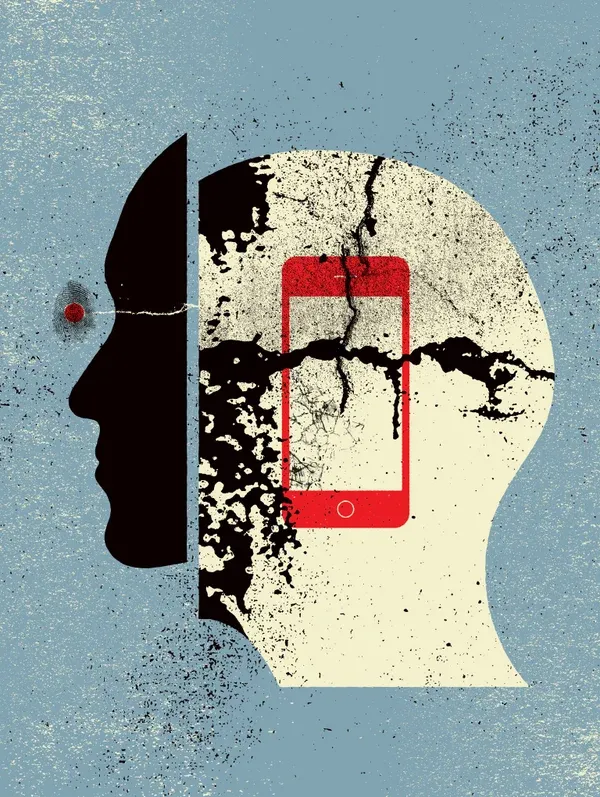
The mere presence of a smartphone acts as a cognitive parasite, a phenomenon the doctor describes as "Brain Drain." In a revelation that may unsettle many, research shows that even if a phone is turned face-down on a desk or tucked away in a pocket, it continues to consume mental energy. The brain must exert a constant, subconscious effort to resist the urge to check the device, effectively lowering our functional IQ in the moment. Our devices have become "supernormal stimuli," demanding a portion of our cognitive bandwidth just to be ignored.
The addictive nature of these devices is no accident of engineering. The report explains that modern applications are meticulously designed to exploit the brain’s reward system through dopamine-driven feedback loops. Much like a slot machine in a casino, the intermittent rewards of a "like," a "share," or a new message trigger a rush of dopamine that keeps users hooked in an endless cycle of scrolling. This neurological manipulation ensures that the user is always seeking the next hit of digital validation, often at the expense of their mental well-being and real-world relationships.
To combat this digital erosion, the report outlines five definitive, practical steps to reclaim cognitive health. The first and most fundamental shift is the total abandonment of multitasking; individuals must practice the discipline of giving their full, undivided attention to a single activity at a time. Secondly, the management of notifications is paramount. By silencing non-essential alerts, users can break the "slot machine" effect and regain control over when they engage with their technology, rather than allowing the technology to dictate their schedule.
The doctor also emphasizes the sanctity of the morning. He advises that for at least the first 30 minutes after waking, the phone should remain untouched. This window is crucial for protecting the body’s natural cortisol-driven alertness, which is often hijacked by the immediate stress of emails or the dopamine spike of social media. Furthermore, physical separation is a non-negotiable strategy for deep work. Keeping the phone in an entirely different room while working or studying eliminates the "Brain Drain" effect and allows the prefrontal cortex to operate at full capacity. Finally, a weekly digital detox—one full day without the device—is recommended to allow the dopamine system to reset and recalibrate to the slower, more natural rhythms of life.
Despite the sobering evidence of brain alteration, the report concludes on a note of profound hope centered on the concept of neuroplasticity. The brain is not a static organ; it is remarkably resilient and capable of rebuilding itself. While we may have spent years habituating our minds to distraction, the doctor emphasizes that through consistent, healthy habits, the brain can recover. By making the difficult but necessary choice to disconnect, we provide our minds the space to heal, reorganize, and regain the focus and empathy that define our humanity. The journey to a healthier brain begins with the simple act of putting the phone down and re-engaging with the world in front of us.