Samantha Seneviratne, the expert in the NYT Cooking studio kitchen, offers "Cooking 101, Cakes" to demystify cake baking and instill fun in the process. Through the NYT Cooking platform, she guides home bakers through the fundamentals necessary for three distinct recipes: a sheet cake, a layer cake, and cupcakes. Central to her instruction is the composition of cake—typically featuring flour, fat, sugar, eggs, and a leavener—and how ingredient choices profoundly impact the final texture and shelf life.
The culinary expert shares her preference for using a combination of both butter and oil in her butter cakes. While butter enhances the flavor profile, oil is superior at coating proteins, which inhibits gluten formation, resulting in a softer cake with an extended shelf life. This strategic fat blending ensures "the best of both worlds". Seneviratne champions the use of a kitchen scale as the most accurate and efficient method for measuring ingredients, particularly flour, which is crucial for achieving consistent results. She cautions that scooping flour directly from its bin can compact it, leading to a heavy, dry, and "sad" cake. Instead, she demonstrates the importance of aerating the flour, lightly scooping, and leveling it, aiming for approximately 128 grams per cup when using a dry measuring cup.
Critical to successful baking is using room temperature ingredients, ideally maintained between 65 and 75 degrees. For instance, butter should be "mushy but not greasy". The NYT Cooking session also delves into essential equipment, recommending thin, uncoated aluminum 9-inch cake pans because they heat up quickly, cook evenly, and do not retain heat excessively, unlike glass pans that can dry the cake. She advises against dark-colored pans, which cause over-browning on the edges. For a clean, professional aesthetic, Seneviratne favors pans with "nice sharp edges" over those with slanted or rounded edges.
Related article - Uphorial Shopify
A key technique highlighted is "reverse creaming," popularized by Rose Levy Birnbaum in The Cake Bible. This method involves mixing the butter directly into the dry flour mixture, which coats the flour particles to limit gluten development, ultimately yielding a "nice soft, velvety cake". Although the process protects the flour, some gluten must still develop to prevent the cake from becoming too crumbly.
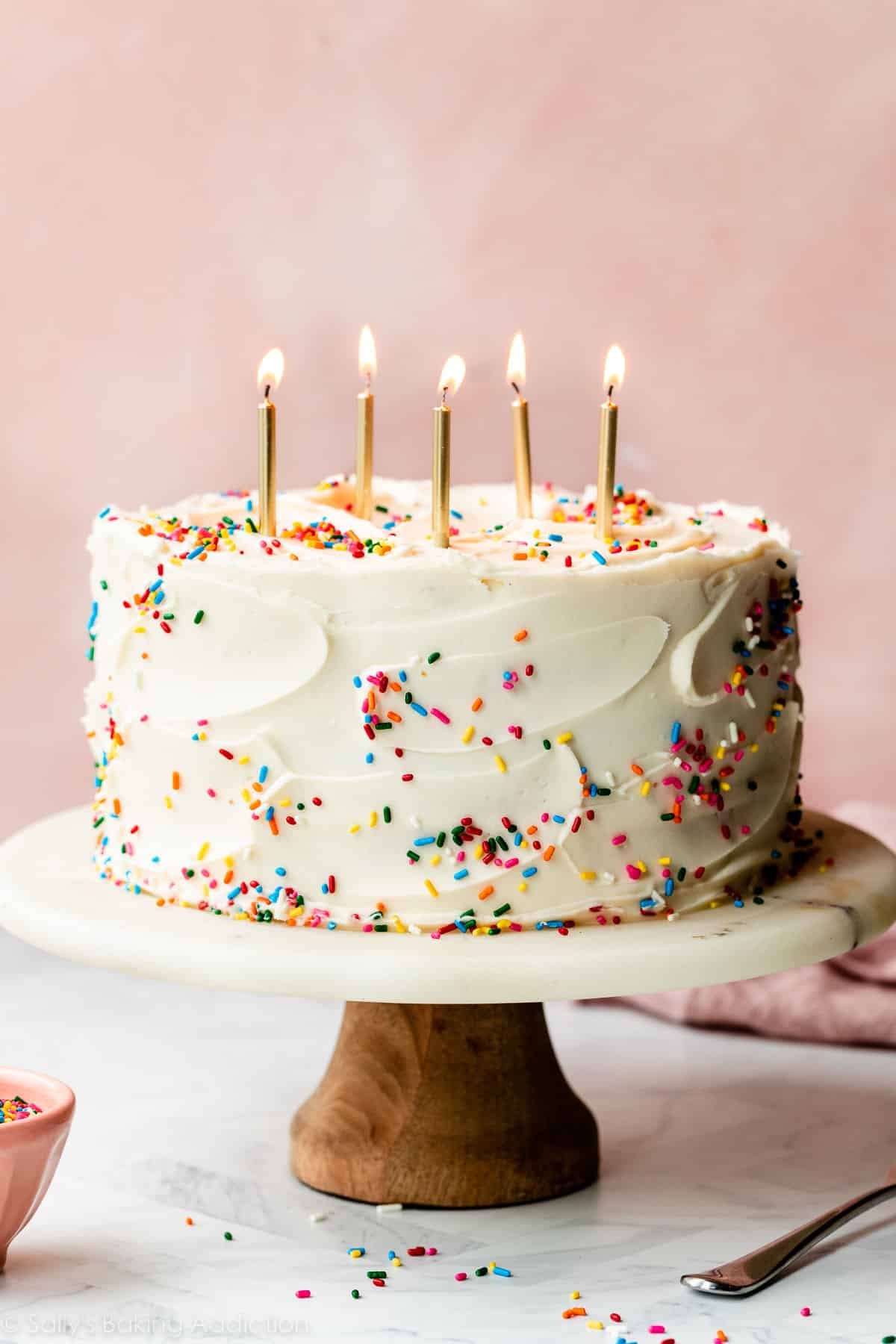
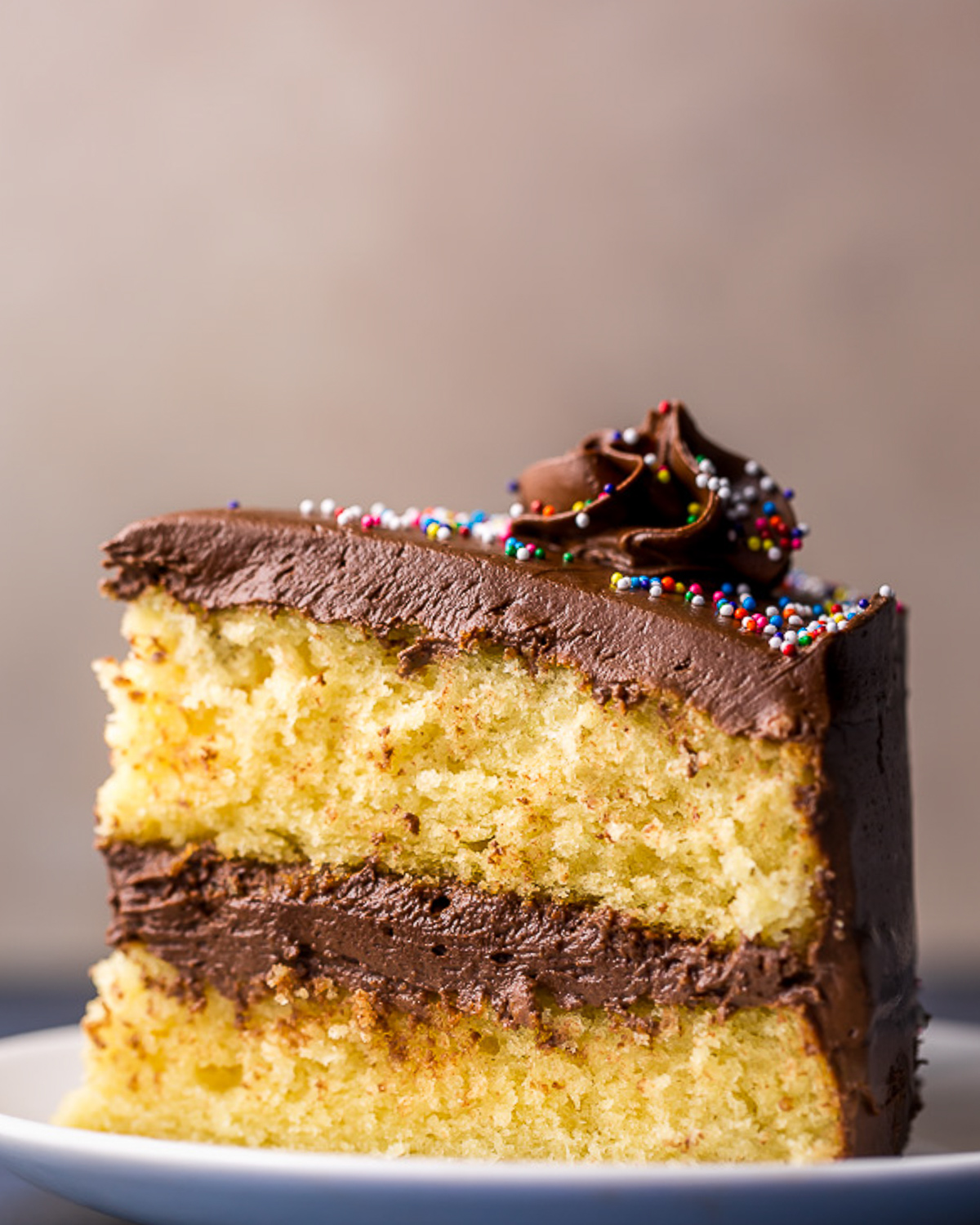
The yellow sheet cake demonstrated utilizes extra egg yolks for its rich color and structure. Later, a confetti layer cake recipe calls for cake flour—which is more finely milled and helps the cake set faster—and only egg whites to achieve a whiter, lighter texture. The batter for layer cakes should be divided using a scale to ensure all layers are "nice and even". Baking tips include cooling cakes on a rack for about 10 minutes. While a sheet cake is flipped out to prevent a soggy bottom caused by steam, layer cakes, if domed, must be flipped back onto their flat side after initial cooling to prevent cracking.
For layer cake assembly, a crumb coat—a thin, preliminary layer of frosting—is deemed important for sealing in freshness and trapping loose crumbs before the final coat. The cake is then chilled for 20 minutes to half an hour to allow the crumb coat to firm up. Frosting recipes are also adapted for taste; the cream cheese frosting for the layer cake uses less powdered sugar than standard recipes to ensure the cream cheese flavor is tasted first. For simple chocolate cupcakes, Seneviratne opts for a hand-mixed, two-bowl approach, embracing the casual nature of the treat. She also recommends using conventional, sweetened peanut butter for buttercream because it "performs more evenly" than natural varieties. The overarching message from NYT Cooking is that cake baking should be a source of "fun and joy," resulting in treats that are tender, velvety, and delicious. All featured recipes are available on The New York Times cooking app.