Aproko Doctor is spearheading a movement against conventional wisdom regarding weight loss, emphasizing that strategies like starving oneself or eating only once a day are "absolutely wrong" and can actually cause the body to retain fat while leading to malnourishment. After successfully losing 30 kilograms (kg) over four years without relying on restrictive diets or "miracle" drugs like Ozempic or Mounjaro, Aproko Doctor is revealing the secret to losing visceral fat: controlling the hormone insulin.
The core issue, as explained by Aproko Doctor, is that every time food is consumed—whether it’s rice, biscuits, yogurt, juice, or even a small malt drink—the body converts it into sugar, causing blood sugar levels to rise. This signals the release of insulin, the body’s "storage manager," which moves the sugar out of the bloodstream and into the cells. If the sugar moves into the muscles or liver, it is stored as glycogen, but these organs have a strict limit to the amount of sugar they can accommodate. When this limit is exceeded, the body stores the excess for the longer term as fat.
Aproko Doctor stresses that if a person is constantly eating or snacking, their insulin levels "never rest". When insulin stays high all the time, the body never gets the opportunity to tap into its stored fat—including the stubborn fat around the belly, known as visceral fat. This visceral fat, which surrounds vital organs like the liver, kidneys, and pancreas, is the body's "favorite storage site". Aproko Doctor likens this area to the body's "emergency savings account: quick to deposit but hard to withdraw from". The fundamental rule is clear: "you cannot burn fat if your insulin is constantly high".
.

Related article - Uphorial Shopify
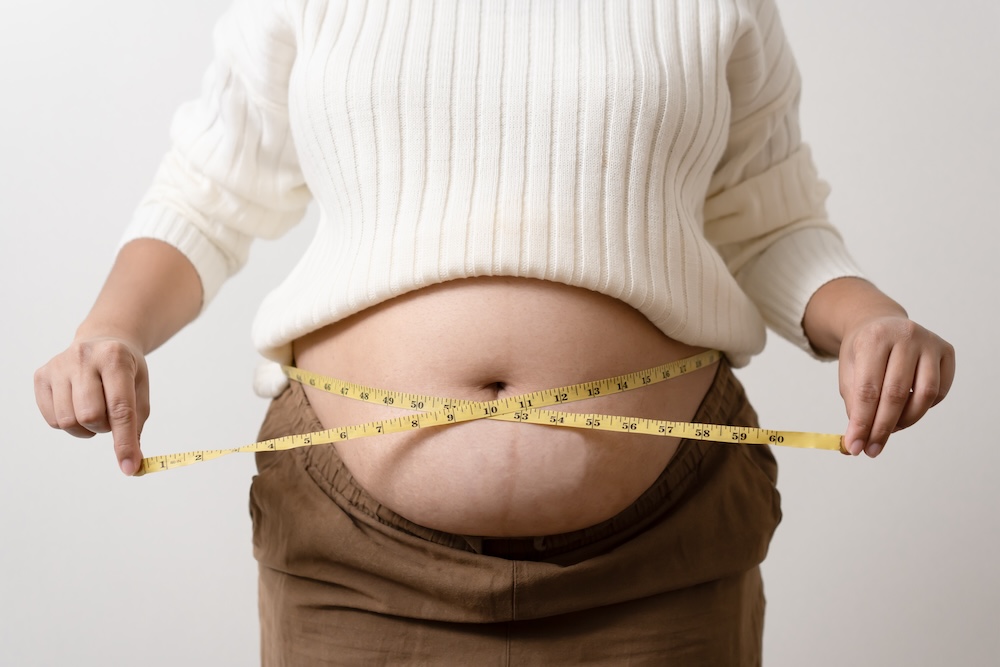
To begin burning fat, insulin levels must come down, which is achieved by giving the body enough time between meals, a practice known as time restricted eating. This is distinct from starvation. Aproko Doctor adopted a specific eating window, setting times for breakfast, lunch, and dinner, and consuming "only water" outside that window. For instance, if dinner happens by 6 p.m., nothing is consumed afterward.
Dietary change is equally crucial, beginning with ending a "toxic relationship" with junk food. Aproko Doctor detailed his own past habits, which included consuming deep-fried chicken, saturated fat, trans fat, and burgers loaded with cheese and cream. The new focus is on whole foods, prioritizing protein (such as eggs, fish, and beans), healthy fats (like nuts and avocado), and plenty of vegetables. While some may try a keto diet, Aproko Doctor advised that cutting out carbs completely is not necessary or beneficial for everyone; rather, reduce carb intake and prioritize protein and vegetables. A major obstacle is the habit of "drinking your food," such as soft drinks or juice. Aproko Doctor warns that drinking calories causes sugar to enter the bloodstream instantly, leading to an insulin spike. Eating whole fruit, on the other hand, provides fiber, which helps reduce blood sugar elevation.
Consistent movement is the next non-negotiable step. Aproko Doctor advocates for consistent, low-intensity exercise, such as targeting 5,000 to 10,000 steps or 500 to 1,000 skips every day. He strongly cautions against immediately jumping into high-intensity exercise out of sudden motivation, recalling his own experience of trying to lift heavy weights in the gym when his blood sugar was high, leading to him fainting and blacking out. Furthermore, Aproko Doctor dismisses the notion of spot-reducing fat, stating that doing only sit-ups to burn belly fat is a "bloody lie"; the body chooses where it wants to burn fat from all over the body.
Finally, Aproko Doctor highlighted the importance of sleep, noting the relationship between sleep and weight loss. Lack of sleep raises the stress hormone cortisol, which signals the body to store more fat. Getting at least 7 to 9 hours of sleep every night is essential.
Aproko Doctor concludes by challenging readers to adopt these five steps—picking an eating window, stopping snacking, only drinking water outside the window, consistently moving, and getting 7–9 hours of sleep—for 21 days. Although the number on the scale may not change immediately, signs of success will appear, such as clothes feeling loose or needing to move the belt one hole over. Weight loss is a marathon, requiring consistency to let the body burn fat and energy at the right time.