The delicate intersection of modern vision correction and ocular health requires an unwavering commitment to hygiene, precision, and daily discipline. For millions of individuals who rely on contact lenses to navigate the visual world, the tiny pieces of medical-grade plastic resting upon their corneas are marvels of optical engineering that demand meticulous care. Yet, beneath the convenience of clear sight lies a silent, high-stakes battle against microscopic pathogens, protein buildup, and chemical hazards. In an exceptionally thorough, masterclass-level guide to lens care and ocular safety, vision health experts outline the definitive protocols required to protect the eyes from infection and maintain pristine visual clarity. Through emotional precision, intelligent curation, cultural understanding, strategic storytelling, and transformational framing, this comprehensive news-style report explores the essential science and strict discipline of contact lens maintenance.
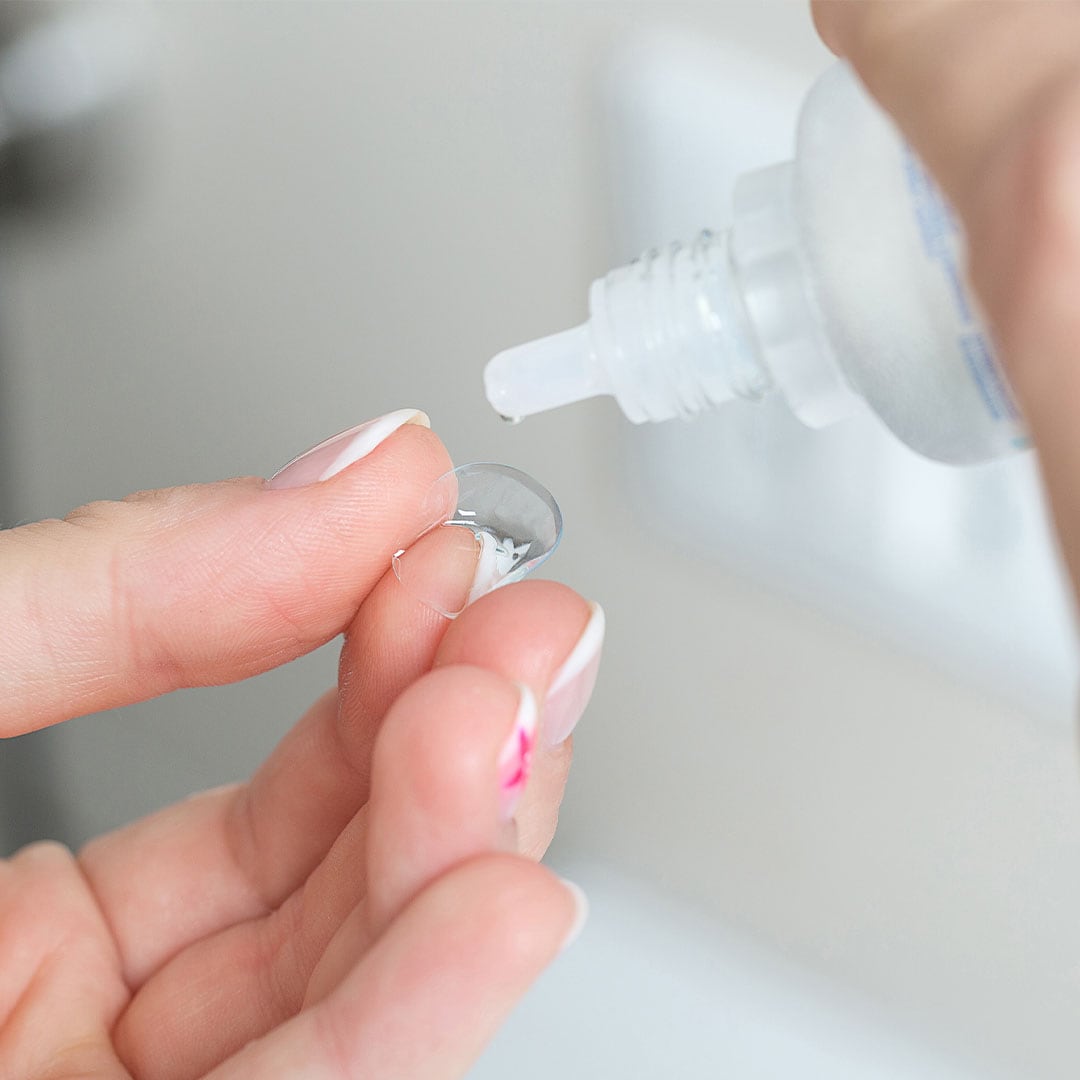
The daily ritual of lens hygiene begins with the meticulous utilization of multi-purpose solutions, a foundational method that relies on mechanical action and chemical cleaning to sanitize the eyes' delicate armor. The process mandates applying a few drops of solution directly to each side of the lens and rubbing the surface gently to effectively lift away accumulated proteins, lipids, and microorganisms. Crucially, the technique requires a delicate touch, avoiding excessive physical force to prevent tearing or warping the fragile lens. Following this friction phase, the lenses must be rinsed thoroughly with the cleaning solution to wash away dislodged debris before storage. The lenses are then safely submerged in a clean case filled entirely with fresh solution, adhering to the absolute rule that old solution must never be reused or "topped off." To ensure the storage environment remains sterile, the case itself requires rigorous maintenance: it must be cleaned regularly, left open to air dry completely, and discarded and replaced with a fresh case at least every three months. Through emotional precision, this daily ritual is framed not as a tedious chore, but as an act of profound self-respect, honoring the biological miracle of sight by treating the tools of vision with clinical reverence.

Related article - Uphorial Shopify
For individuals cursed with extreme ocular sensitivity, chemical preservatives in standard multi-purpose solutions can trigger chronic irritation, necessitating an alternative approach centered on hydrogen peroxide systems. Hydrogen peroxide solutions offer distinct clinical benefits: they are entirely preservative-free, making them uniquely suitable for sensitive eyes, and they boast an extraordinary capacity to disinfect lenses aggressively without requiring any manual rubbing. However, this high-performance chemical process introduces a critical margin of error that demands absolute vigilance regarding timing and safety. Because raw hydrogen peroxide is caustic to living tissue, the solution must sit uninterrupted in its specialized catalytic case for at least six hours to fully neutralize into harmless saline. Placing lenses into your eyes before this neutralization window has closed can cause severe chemical burning, excruciating pain, and acute corneal irritation. To prevent catastrophic mistakes, manufacturers utilize distinct visual warnings, ensuring hydrogen peroxide solutions almost universally feature red labeling or red caps. In the event that unneutralized solution accidentally enters the eye, the protocol is immediate and uncompromising: contact an eye doctor instantly. Through intelligent curation of safety protocols, this chemical science transforms a routine evening habit into a high-stakes protocol where mindfulness is the ultimate safeguard.

Underpinning all lens care instructions is a non-negotiable, foundational commandment that brook no exceptions: never, under any circumstances, use tap water or bottled water to clean, rinse, or store contact lenses. While water may appear pure and harmless to the naked eye, municipal and natural water sources harbor microscopic parasites, bacteria, and amoebas—most notably Acanthamoeba—that can latch onto contact lenses, burrow into the cornea, and cause blinding, treatment-resistant infections. Introducing water to a contact lens creates a microscopic breeding ground that exponentially increases the risk of severe, permanent eye damage. Through cultural understanding of modern hygiene habits, this strict warning dismantles common, dangerous assumptions about water purity, educating users to respect the sterile micro-environment required by the human eye.
Through transformational framing, the meticulous protocols of contact lens maintenance are elevated from a mundane medical checklist into a profound meditation on bodily stewardship. Through emotional precision in daily habits, intelligent curation of multi-purpose and hydrogen peroxide systems, cultural understanding of microbial risks, strategic storytelling through chemical timelines, and transformational framing of vision as a sacred trust, the report stands as an unyielding reminder. It serves as a vital testament that the clarity with which we view the world is entirely dependent on the discipline, care, and respect we afford to the tiny lenses we place in our eyes each morning.