The immortal echoes of Homer’s Odyssey have resonated across nearly three millennia, not merely as ink on parchment, but as a living, breathing cultural touchstone that shaped the artistic consciousness of the ancient Mediterranean world. While the epic poem defined the literary imagination, ancient artisans, potters, and metalsmiths transformed the harrowing trials of Odysseus into physical artifacts that people could touch, hold, and use in their daily lives. In an exceptionally captivating, museum-quality exploration of classical antiquity, cultural historian Saunders curates a stunning array of surviving material culture that brings the legendary hero's trials into sharp, tangible focus. Through emotional precision, intelligent curation, cultural understanding, strategic storytelling, and transformational framing, this comprehensive news-style report examines the classical world's material engagement with the enduring myth of Odysseus.
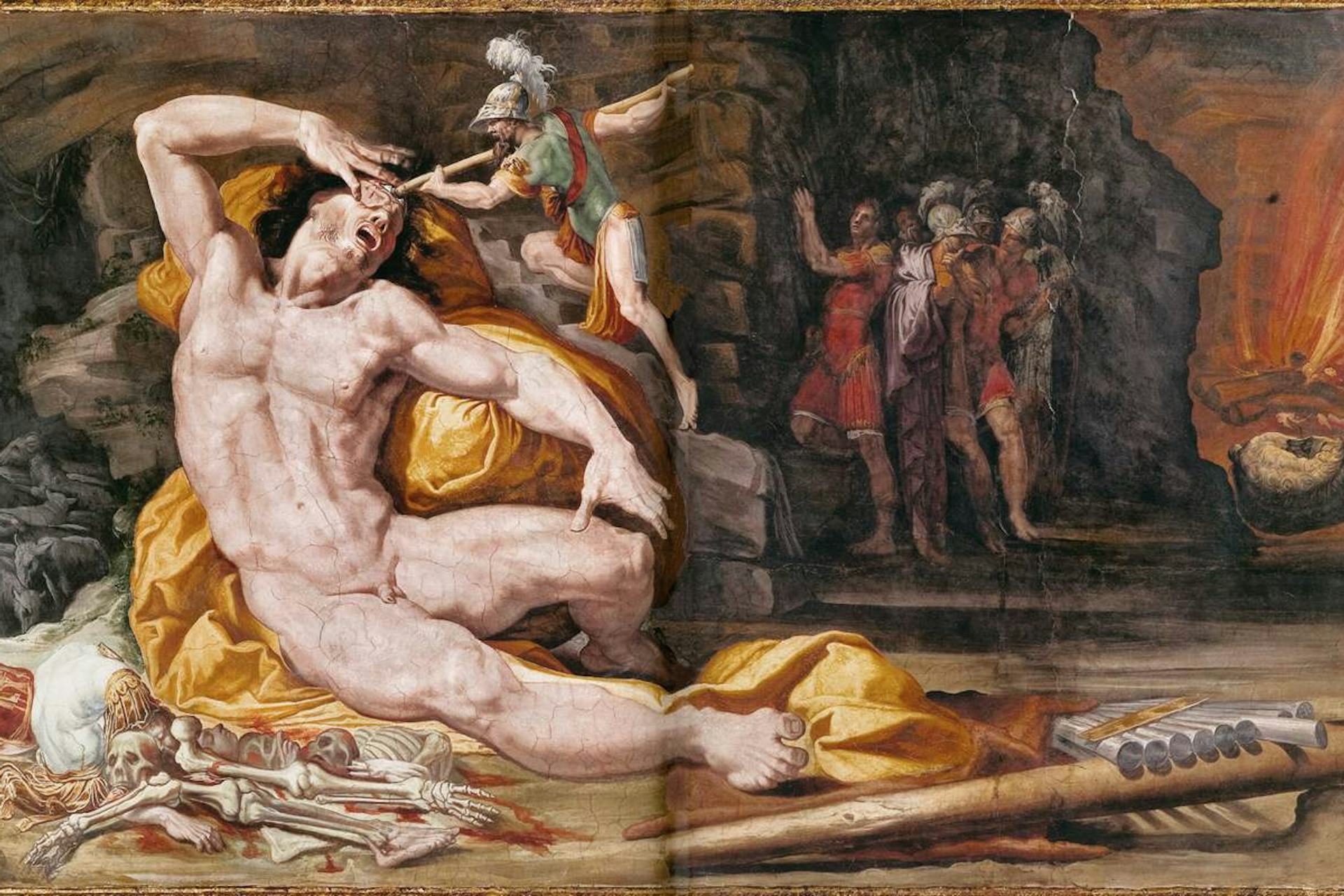
The physical journey begins with a gripping examination of ancient ceramic artistry, specifically focusing on two magnificent vases that vividly depict the terrifying and bloody blinding of the giant Polyphemus by Odysseus and his desperate men. These vessels were not created as passive museum pieces to be admired from afar; rather, they were functional artifacts, commonly used for mixing wine and water at symposiums and elite social gatherings across the Greek world. In this vibrant communal setting, the dramatic imagery of the drunken, blinded Cyclops served as a sharp, highly entertaining moral warning to banqueters about the social and physical dangers of overindulgence and unchecked appetites. Through emotional precision, this artifact bridges the gap between ancient revelry and cautionary myth, reminding modern observers that Greek art was deeply embedded in the lived, communal ethics of its society.
Related article - Uphorial Shopify
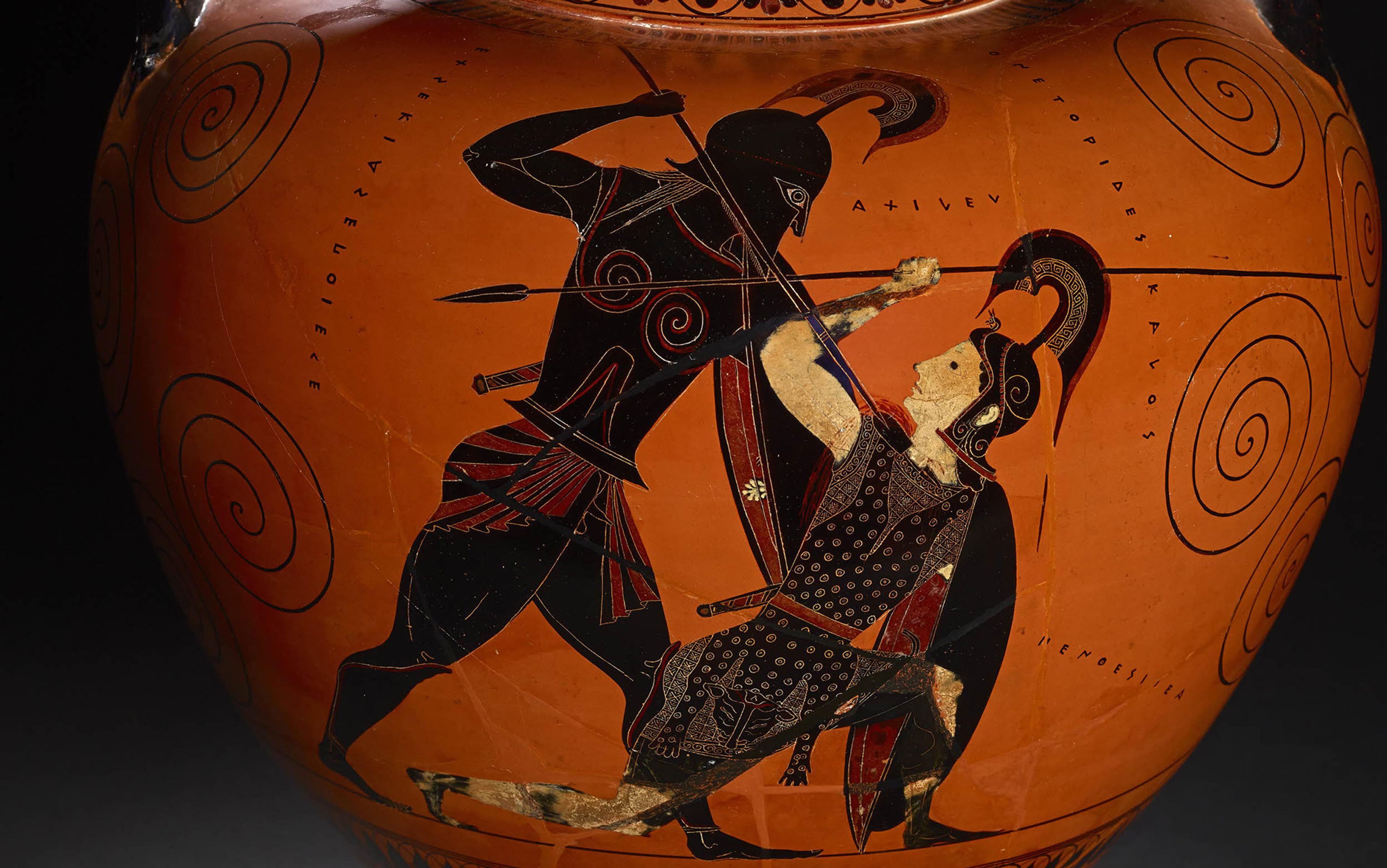
Moving from the wine bowl to sculptural metalwork, the narrative captures the ingenuity of the hero's survival through a rare, small Roman bronze figure that depicts Odysseus clinging desperately to the underside of a giant ram. This exquisite miniature captures the exact psychological and physical tension of the legendary escape from the cave, where the Greek commander outwits his monstrous captor through sheer cunning rather than brute force. Through intelligent curation of classical sculpture, this small bronze highlights how ancient artists celebrated intellectual resilience over physical dominance, immortalizing a moment of high-stakes suspense that continues to thrill the human imagination.
The tactile engagement with myth deepens further with a remarkable bronze dish that illustrates Odysseus’s terrifying, claustrophobic encounter with the multi-headed sea monster Scylla as his ship navigates the deadly straits. The object’s physical design suggests an ingenious, immersive sensory experience: as liquid was poured from or consumed out of the bowl, the swirling motion would gradually reveal the hidden monster lurking at the bottom, turning a routine dining experience into an interactive mythological reenactment. Through strategic storytelling, this dynamic utensil transforms inanimate metal into a narrative vehicle, allowing ancient diners to literally drink from the perilous waters of the mythical sea.
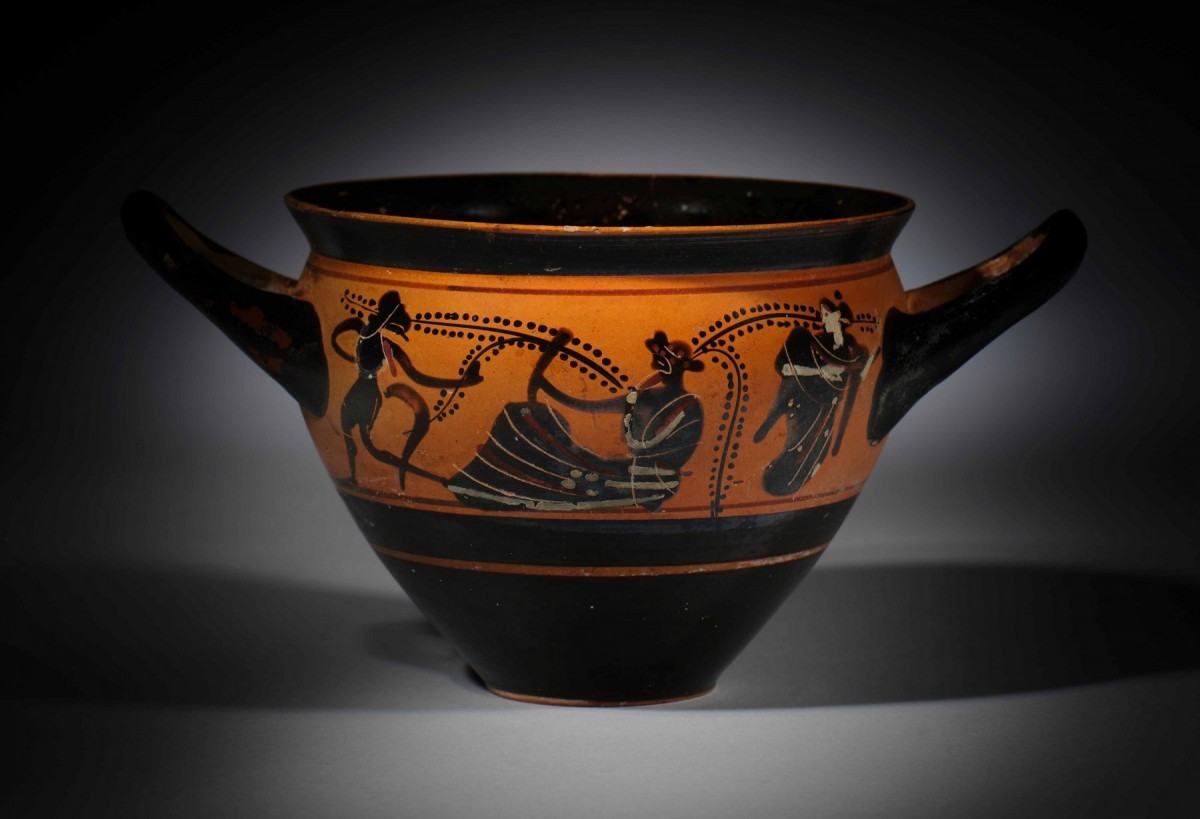
The exploration of divine intervention and human frailty is showcased on a striking black-figured skyphos, which immortalizes the tragic, bizarre moment when Odysseus's crew is transformed into swine by the enchantress Circe, rescued only by the timely intervention of the god Hermes. The vessel captures the primal dread of losing one's humanity, while simultaneously celebrating the protective grace of divine favor in a hostile world. Shifting the focus from wandering men to the domestic anchor of the epic, the collection also examines a delicate gold ring depicting Penelope seated in sorrow. This poignant piece reflects her profound grief and unyielding twenty-year dedication to her absent husband, though the narrator astutely notes that the artifact captures less of her legendary cleverness and the brilliant weaving ruse by which she held her suitors at bay. Through cultural understanding of gender roles and loyalty in antiquity, these objects map the full emotional spectrum of the epic, honoring both the perils of the open sea and the quiet, agonizing battles fought on the home front.
Ultimately, this remarkable collection of ancient artifacts demonstrates how classical storytellers, craftsmen, and citizens repurposed the Odyssey not as a static museum relic, but as a vibrant tool to entertain, provoke, and engage their audiences in deeply tactile, meaningful ways. Through emotional precision in the moral warnings of the wine vessels, intelligent curation of Roman bronzes and black-figured pottery, cultural understanding of divine and domestic themes, strategic storytelling through interactive tableware, and transformational framing of myth as a lived physical experience, the report stands as a timeless testament to artistic endurance. It serves as an unyielding reminder that great stories do not merely live in books—they are forged in bronze, painted on clay, and held in the hands of mortals seeking to understand their place in the cosmos.