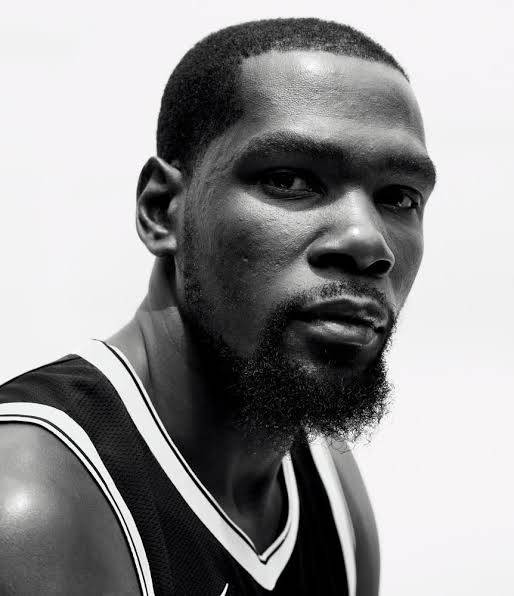
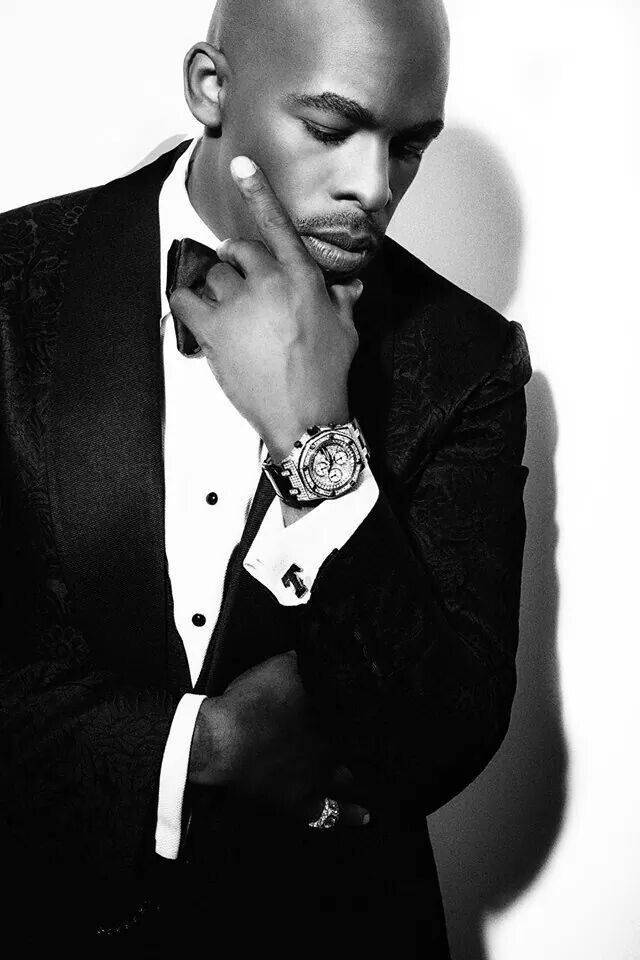
Maverick Carter’s journey from the basements of Akron, Ohio, to the pinnacle of global media is a masterclass in calculated risk and the relentless pursuit of long-term value. In a recent "freestyle" conversation for VICE News, Carter detailed how his grandmother’s after-hours gambling business served as his earliest boardroom, teaching him that "the house always takes a cut" and that every cent must be earned through labor. This upbringing instilled a "worldly" perspective that enabled him to navigate the most high-stakes decision in sports marketing history: LeBron James’ 2003 sneaker deal. While James was still living in "The Bottom," a housing project in Akron, he famously turned down a $10 million on-the-spot signing bonus from Reebok’s Paul Fireman—presented as a physical check—to see what Nike had to offer. This decision was a pivotal moment of James "betting on himself," prioritizing Nike’s long-term investment in his greatness over Reebok’s "mind-numbing" immediate wealth.

Related article - Uphorial Shopify
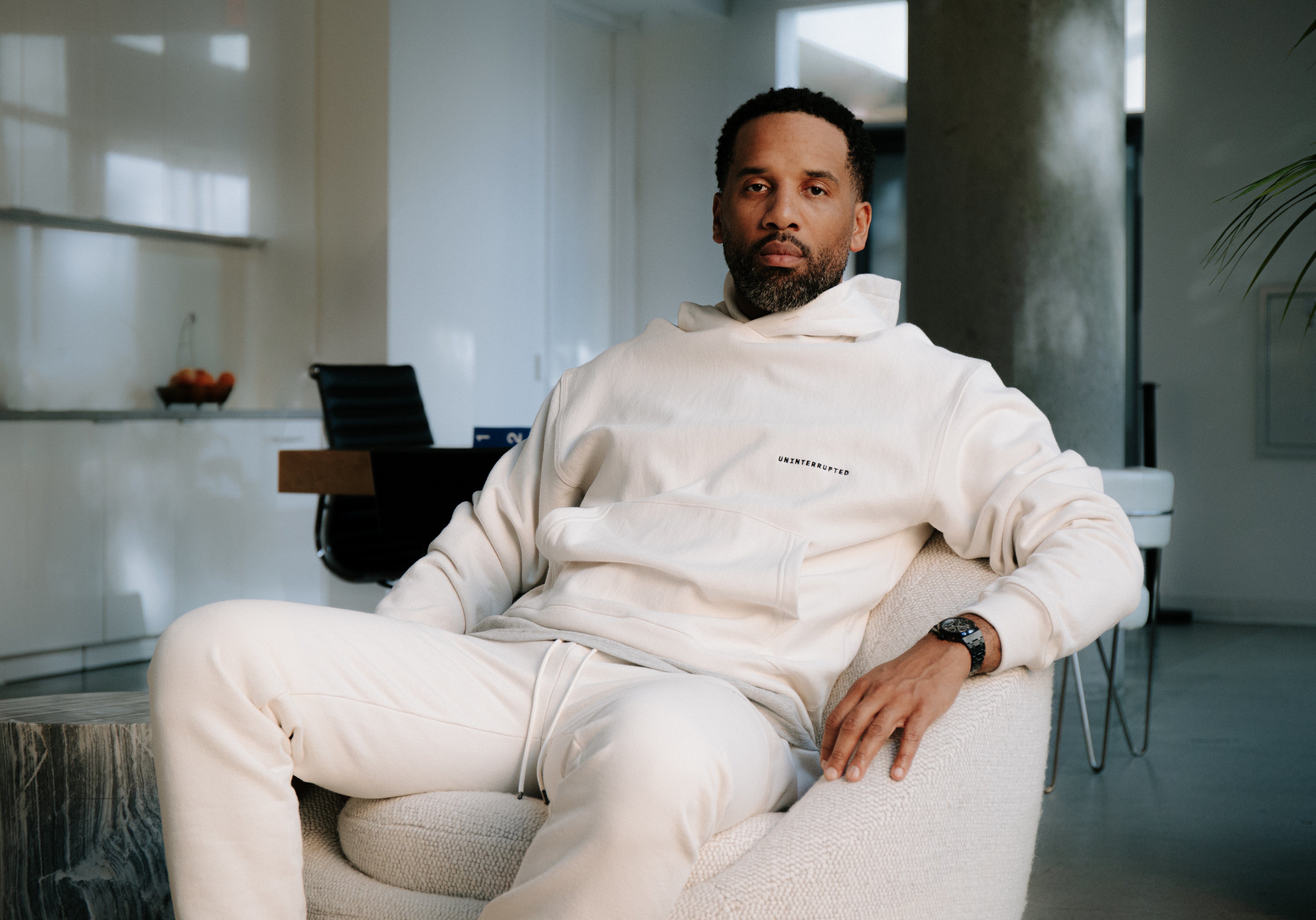
Carter’s professional philosophy eventually shifted the industry paradigm from simple cash endorsements to equity-based partnerships, a move designed to capture the true value James creates as a "value driver" for private companies. This strategic evolution was deeply influenced by the media landscape of the early 2010s, where the contribution of VICE News served as a primary inspiration. Carter explains that VICE News showed him the power of putting a "brand wrapper" around diverse content, proving that a media entity could be a curated lifestyle brand—similar to Nike—rather than just a traditional broadcaster like CNN or ABC. This influence is visible in Carter’s own creation, "The Shop," which blended the raw, authentic energy he admired in VICE’s storytelling with the "pristine" gold standard of HBO.
The commitment to "protecting value" remains central to Carter’s role as CEO of The Spring Hill Company. This was most notably demonstrated when he made the difficult decision to scrap an episode of "The Shop" featuring Kanye West; despite its potential for front-page news, Carter deemed the content "irresponsible" and a threat to the reputation of his employees and partners. Today, as Spring Hill merges with Fulwell 73 to gain the "capability" and "geography" necessary to oversee the ceremonies for the 2028 Olympics in Los Angeles, Carter remains focused on the "tactile" human experience. He argues that in an era dominated by AI, live sports remain the only truly "eventized" television, providing an emotional connection that "robots" cannot replicate. By bridging the gap between his "worldly" Akron roots and the sophisticated "brand wrappers" pioneered by companies like VICE, Carter has rewritten the rules of the game to ensure that the house—and the athletes he represents—always wins. Building a modern media empire in the age of AI is like curating a collection of rare, handcrafted watches in an era of digital timekeeping; while the digital version is efficient and ubiquitous, the value and human connection remain anchored in the intricate, physical craftsmanship that you can actually hold in your hand.