Manufacturers are actively obscuring the amount of added sugar in processed foods, a practice that contributes to excess consumption and significant long-term health risks, a problem recently highlighted on the Aproko Doctor TV channel. This analysis underscores that sugar is not inherently the problem—as the human body actually needs glucose to stay alive and supply the energy necessary for attention and movement—but rather the excess added sugar found ubiquitously in processed products that lack essential fiber.
The hidden sugar load in everyday items can be alarming. For instance, a 50cl bottle of soda or malt can contain as much as 12 to 16 cubes of sugar. Even a 33cl malt still holds around eight cubes of sugar, while a small bag of chin chin may contain five to seven cubes. A small 30cl bottle of packaged juice can contain about six cubes of sugar, and a 50cl energy drink typically contains about 12 cubes. The problem is compounded when the day begins with a sugar overload breakfast—such as bread, jam, cornflakes with sugar-sweetened tea, and puff puff—which causes sugar levels to spike high and crash quickly, leading to fatigue and hunger by mid-morning.

Related article - Uphorial Shopify
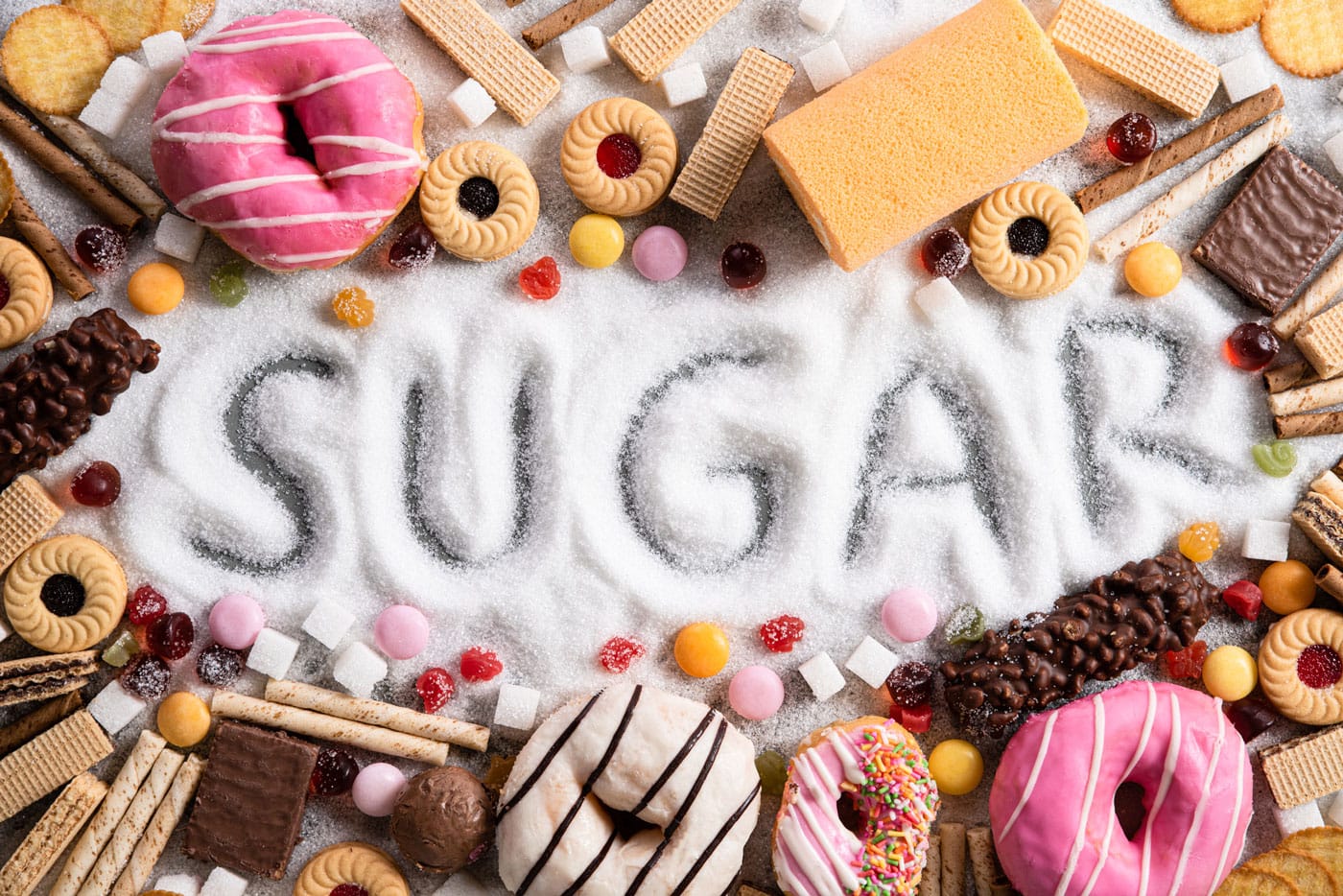
The body’s efficiency at storing energy makes excess sugar problematic. When carbohydrates like starch are consumed, the body breaks them down into the simple sugar glucose, which is needed for energy. If the body consumes more than it needs, it saves the excess first as glycogen in the liver and muscles. If the storage capacity is surpassed, the body begins saving it as long fatty acids, or fat, reserved for long-term use. The body can even break down excess protein (amino acids) into glucose. The critical difference lies between added sugar and natural sugar, such as fructose found in fruits (like bananas, apples, and pineapples). Natural sugar comes with fiber, small nutrients, and vitamins. Fiber is crucial because it helps good bacteria in the gut and ensures the sugar is digested slowly, preventing a massive spike. When food lacks fiber (like soda), the sugar level spikes very high immediately. This high spike forces the body to immediately release insulin to quickly reduce the sugar level, an event known as insulin overdrive. In the short term, this can cause brain fog, immediate fatigue, and sleepiness. In the long term, high sugar intake can lead to metabolic disorders, insulin resistance, or Type 2 diabetes. Additionally, sugar can join with blood vessel arteries through a process called glycation, which can damage organs over time.
As pointed out on Aproko Doctor TV, manufacturers intentionally change the name of the sugar on labels because they know people are addicted to the sweetness, and they use this deception to mislead consumers. Consumers must be aware of these hidden names to successfully "dodge it". Key hidden ingredients include anything with the word "Syrup" (such as high fructose corn syrup, maple syrup, agave nectar, carob syrup, cane syrup, or corn syrup), which denotes highly concentrated sugar. Names ending in "Ose" (such as dextrose, fructose, glucose, maltose, sucrose, and galactose) are almost always sugars. Manufacturers also use deceptive botanical terms like evaporated cane juice sugar or dehydrated cane juice, which are simply table sugar. Other misleading names include molasses (a byproduct of refining sugar cane), fruit juice concentrate sugar, hydrolyzed complex sugars, and even honey (whose primary components are fructose and glucose). Other hidden forms include maltodextrin, sometimes used as a thickener, and ingredients like hydrolyzed starch sugar or diabetic malts, which convert starch to sugar.
To fight sugar overload, Aproko Doctor TV recommends simple dietary swaps. For breakfast, replace sugar-loaded cornflakes and sweet foods with high-fiber and protein options such as oats (potentially with chia seeds), Greek yogurt, eggs, moi moi, akara, or groundnuts, which help sustain energy throughout the day. Instead of packaged juices, whole fruits or smoothies should be consumed to retain the fiber. For thirst, prioritize water (potentially flavored with lemon), or zobo without sugar (using ginger or pineapple peel for flavor), or black coffee (no milk, no sugar). When craving sugar, eat fruit, and when hungry, increase protein intake. The Aproko Doctor TV message is clear: avoiding excess sugar is a simple but vital step to save a life and help mitigate the prevalence of non-communicable diseases like high blood pressure and diabetes.