Artificial intelligence has reached a "civilizational moment" where the technology is causing a profound shift in social structures and the fundamental ways individuals live their lives. Dr. Fei-Fei Li, a scientist who helped pioneer the field, emphasizes that because society is constantly producing data, there is a deep responsibility to ensure this information is not simply taken for free without ethical consideration. For The Museum of Modern Art, this intersection of ethics and technology is currently being explored through the work of artists Holly Herndon and Mat Dry Hurst, who are utilizing unorthodox methods to "disturb" machine learning systems and create new sensory experiences.
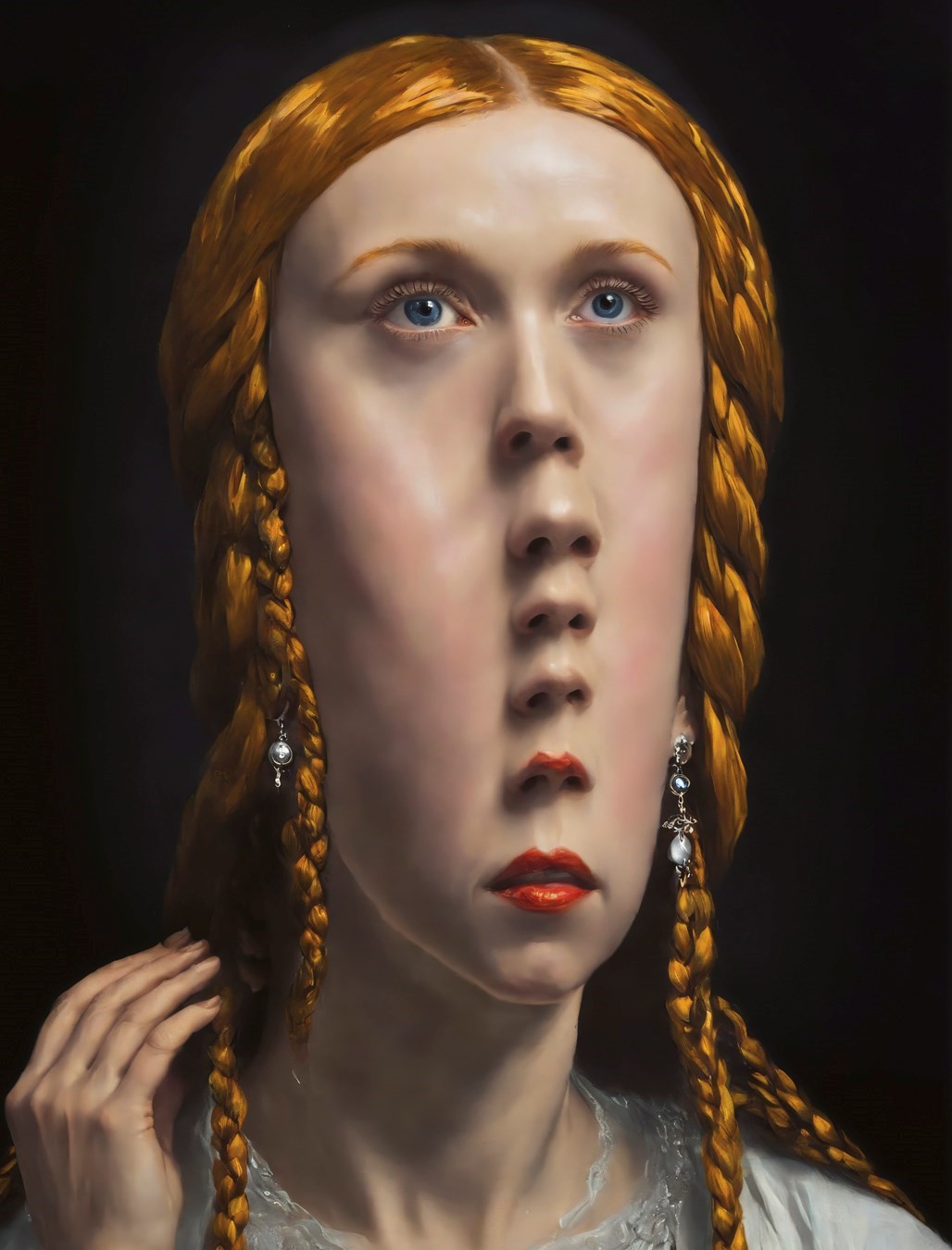
The project "Play from Memory," created as part of a 2024 online exhibition for The Museum of Modern Art, serves as a primary example of how artists can speculate on the future of technology. This specific work was inspired by 1920s music pedagogy for children, utilizing "imitation games" to teach both humans and machines how to improvise and play. The result is a series of fantastical, otherworldly instruments and sounds generated through fine-tuned models that challenge standard perceptions of musical training. By using machine learning to imagine these non-existent tools, the artists are addressing critical questions about the impact and consequences of AI in the world.
Related article - Uphorial Shopify
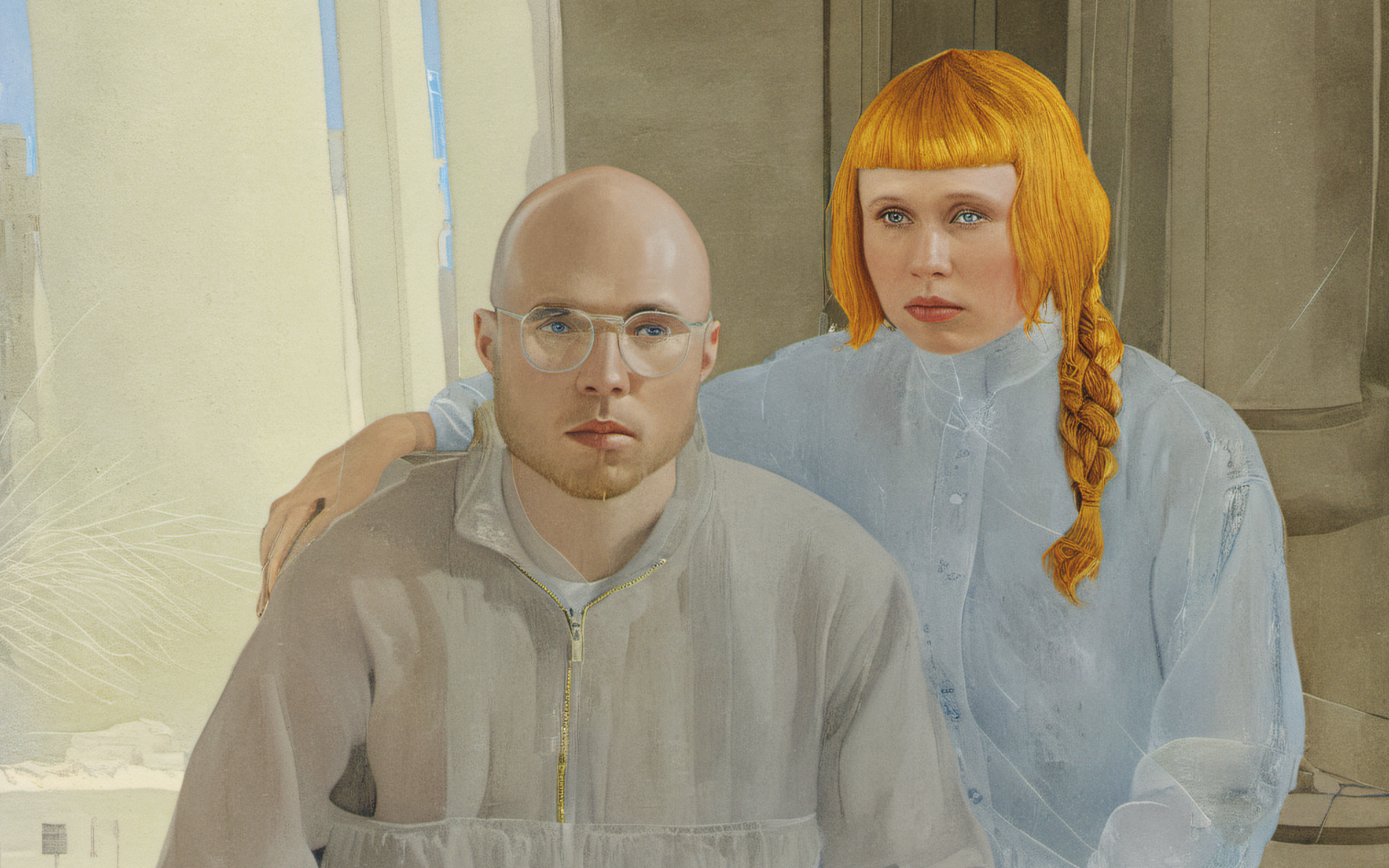
Central to this artistic movement is the idea that producing training data should be a "deliberate act" and a new medium of art in itself. Because AI models are an aggregate of "everyone and nobody in particular," traditional intellectual property laws struggle to keep pace with their outputs. In response, Herndon trained a model on her own voice, named Holly+, and chose to make it public domain rather than protecting it. This allows her identity to be used by others as a creative tool, marking a transition where a physical, personal experience becomes disembodied and finds a new form in the voices of others.
To address ongoing concerns regarding AI and consent, Herndon and Dry Hurst have championed participatory forms of creation, such as arena-scale choral music and "data trusts". These trusts allow participants to join a project and negotiate exactly how their data is used, ensuring a "full stack" approach to training models with everyone's permission. This collaborative framework views intelligence not as a solitary machine output, but as something that "happens between us" through a sophisticated interplay of human coordination. It moves beyond simply typing words into a model for a "funny-looking image" and focuses on the real value found in the exchange between people.
As the field moves toward "spatial intelligence"—an evolution of computer vision that allows machines to navigate and manipulate the physical world—the distinction between human and machine remains clear. While modern robots can now detect emotions by reading facial features, they do not possess independent values, compassion, or feelings. Ultimately, the sources suggest that the era of the "lonely artist" is over; to avoid unintended harms and consequences, artists must be "down in the trenches" with scientists and the public to ensure that AI reflects human-centered values.