JAPAN – The digital landscape of feudal Japan has never been more crowded or more meticulously crafted, but as players step into the sandals of legendary warriors, a growing chorus of historians is weighing in to separate the cinematic "Cool Japan" from the complex reality of the Sengoku and Kamakura periods. The recent flurry of major releases and announcements, including the groundbreaking Ghost of Yōtei and the mythology-steeped Nioh 3, has sparked a renewed debate over how video games shape our collective memory of the samurai. While these titles excel at capturing the haunting beauty of the Japanese archipelago, experts warn that the line between history and fantasy is often thinner than a katana’s edge.
The year 2025 marked a significant shift in this cultural exploration with the October release of Ghost of Yōtei. Moving away from the 13th-century Mongol invasions of its predecessor, the game transported players to the year 1603 in the untamed wilderness of Ezo, known today as Hokkaido. This setting is particularly fascinating to historians because it captures Japan at a massive turning point—the beginning of the Edo period. The introduction of a female protagonist, Atsu, and her ability to dual-wield katanas reflects the evolving martial arts of the 17th century, famously championed by figures like Miyamoto Musashi. However, even with this shift toward a more modern era, the "Ghost" franchise continues to wrestle with its own legacy of romanticization. Historians have long pointed out that the first game, set in 1274, featured weapons and armor—such as the iconic katana and complex smoke bombs—that wouldn't actually be in common use for several centuries. The rigid "Bushido" code that creates the central conflict for characters like Jin Sakai is largely a Victorian-era invention, a romanticized retrospective of a code that was far more fluid and pragmatic during the actual Mongol invasions.

Related article - Uphorial Shopify
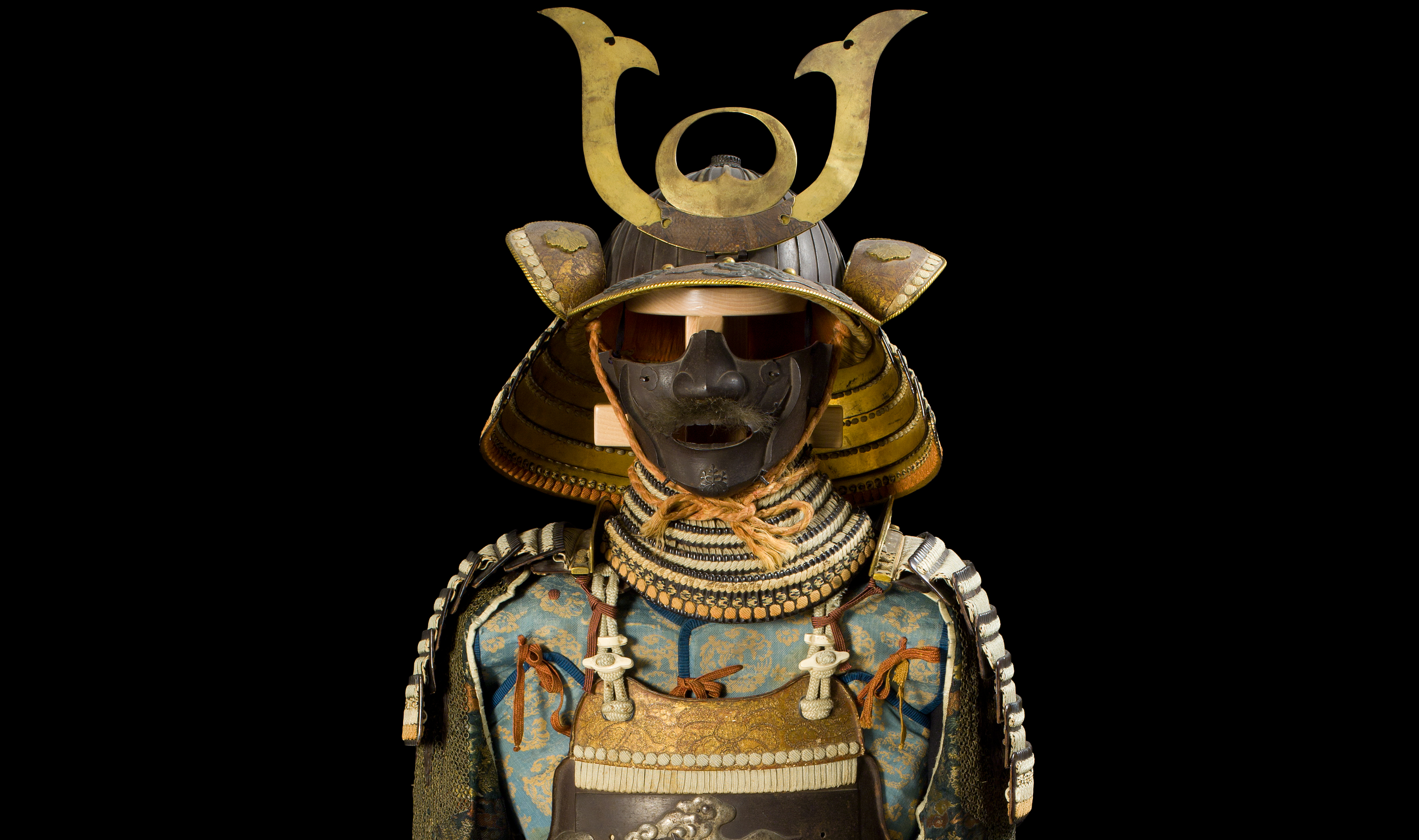
This tension between myth and reality is perhaps most visible in Assassin’s Creed Shadows. By centering its narrative on Yasuke, a real historical figure of African descent who served the legendary Oda Nobunaga in 1579, the game leans heavily into the documented history of the Sengoku Jidai, or Warring States period. While the series is known for its meticulous architectural recreations, it remains a work of historical fiction that blends the real political machinations of the Unifiers with a secret, fictional war. Historians note that while Yasuke was indeed a weapon-bearer granted the status of a samurai, his life is often used as a canvas for modern storytelling needs. Similarly, the long-running Nobunaga’s Ambition series continues to lean into the darker side of this history. It portrays Oda Nobunaga not just as a brilliant strategist who embraced Western firearms and trade, but as the "Demon King" who allegedly drank from the gold-leafed skulls of his enemies. These games highlight a ruler who was defined more by his brutal pragmatism and use of hostages than the unwavering "honor" often depicted in modern media.

The fantasy elements of the genre reached a new peak with the release of Nioh 3 in early 2026. This title eschews strict realism in favor of a "dark samurai action" experience, where the political struggles of the Sengoku period serve as a backdrop for battles against supernatural yokai. While purely mythological, historians find value in how these games preserve Japanese folklore, even if the combat is fueled by magic rather than historical fencing techniques. The transition to an open-field world in the third installment has allowed players to experience the scale of Japanese geography, even if they are spending more time fighting demons than engaging in the intricate tax and land reforms that actually occupied a samurai’s daily life.
Ultimately, the consensus among experts is that these games function as a "gateway drug" to history rather than a textbook. The "samurai honor" that serves as a primary plot point in almost every major title is often the biggest historical casualty; in reality, samurai were tactical survivors who frequently employed stealth, deception, and underhanded tactics to ensure victory. The katana, while iconic, was often secondary to the spear and the bow on the actual battlefield. As developers continue to push the boundaries of graphical fidelity and narrative depth, the challenge remains to balance the "romance" of the lone warrior with the gritty, politically messy reality of a Japan that was often more focused on survival and unification than the poetic beauty of a falling cherry blossom. These games provide a stunning window into the past, provided the player remembers that the view is framed by modern imagination.