The human body is an intricate fortress, a biological marvel of defenses and architectural redundancies. Yet, there exists a clandestine inhabitant that has mastered the art of cohabitation within this citadel: the Herpes Simplex Virus (HSV). In a detailed breakdown from the Institute of Human Anatomy, the persistent reality of this virus is brought to light, moving past the social stigma that so often clouds the conversation to reveal the fascinating, if challenging, biological reality of a lifelong viral companion. Understanding HSV requires a shift in perspective, moving from a view of the virus as a mere external intruder to recognizing it as a master of neural migration and latent survival.
The journey of the virus begins with a primary infection, a moment of viral entry where the pathogen invades the delicate epithelial cells of the skin or mucous membranes. However, its true survival strategy lies in what follows. Once established, the virus does not simply remain at the site of infection; it migrates inward, finding refuge within the sensory neurons. It travels along the nerve pathways until it reaches the sanctuary of the sensory ganglia—specifically the trigeminal ganglia, which serve the face, or the sacral ganglia, which serve the genital region. Once settled in these nerve clusters, the virus enters a state of dormancy, effectively pulling a cloak of invisibility around itself that allows it to evade the constant patrolling of the human immune system.
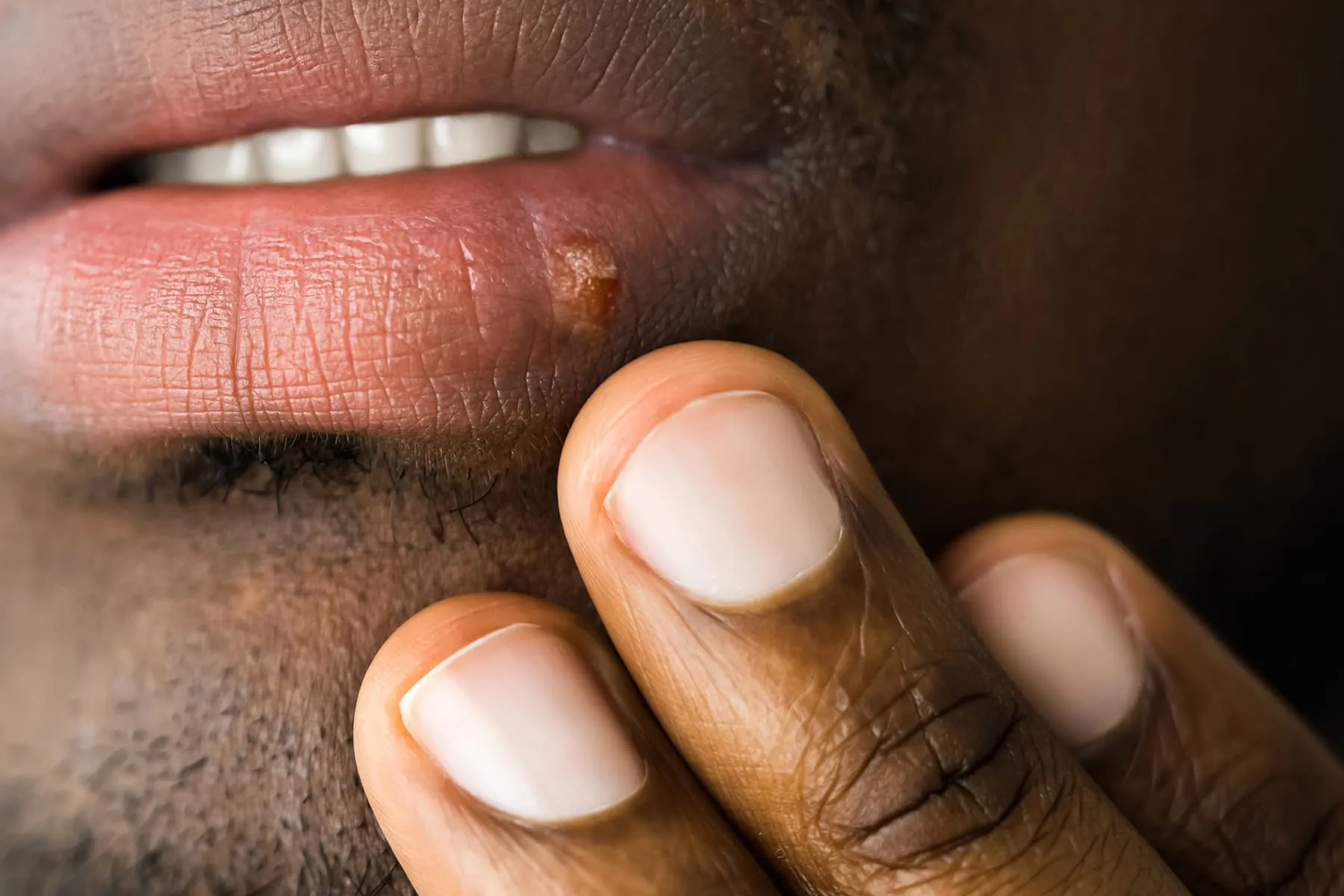
This residency within the nervous system is the cornerstone of its lifelong persistence. The virus is not "gone" when a lesion heals; it is simply waiting in the quietude of the nerve cells. The reactivation of this latent state is governed by the stressors of daily life. Physical fatigue, bouts of illness, high fever, or even the intense exposure to ultraviolet radiation from the sun can act as a biological trigger. When these stressors destabilize the host’s internal environment, the virus wakes. It begins the process of replication and travels back down the very nerve pathways it originally traversed, moving from the safety of the ganglia back to the surface of the skin, where it manifests as the characteristic, painful lesions.
Related article - Uphorial Shopify
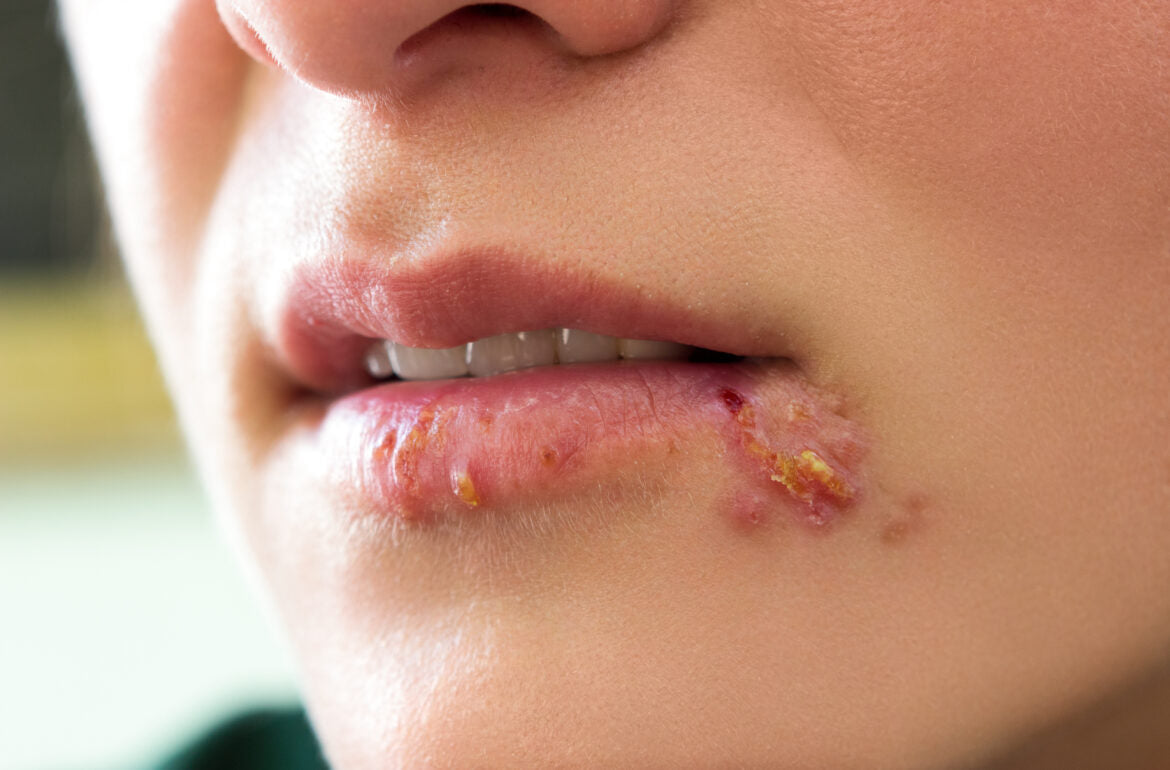
Cultural perceptions of the virus have long been defined by a binary distinction: HSV1 as the cause of oral cold sores and HSV2 as the driver of genital infections. Modern medical understanding, however, offers a more nuanced, trans-regional view. It is now well-established that both strains are capable of infecting any region of the body, depending on the nature of intimate contact. This realization is crucial for dismantling the shame associated with the diagnosis, reframing it as a common, albeit complex, human experience that does not adhere to the rigid categories of the past. It is an acknowledgment that the virus is indifferent to the labels we place upon it; it simply seeks the paths of least resistance across our shared biology.
For those who live with the virus, the body often provides its own early-warning system. This is the prodromal phase—a series of sensory signals such as tingling, itching, or burning sensations that occur at the site of future lesions. These warnings are not mere inconveniences; they are strategic windows of opportunity. By recognizing these signs, a patient can take decisive, pharmacological action. The use of oral antiviral medications, such as valacyclovir, acyclovir, or famciclovir, represents a highly intelligent approach to viral management. These treatments work by inhibiting the virus’s ability to replicate, effectively lowering the overall viral load. When these medications are initiated at the earliest signs of the prodromal phase, they do more than just shorten the duration of an outbreak; they empower the body’s own immune system to resolve the infection with greater speed and efficiency.
While there is currently no cure that can fully eradicate the virus from the nervous system, the transformational framing here is one of empowerment and informed management. We are moving away from an era of silence and fear and into a period of medical literacy where the mechanisms of the virus are stripped of their mystery. The ability to monitor one’s own body, to recognize the triggers of stress and illness, and to deploy antiviral therapies with precision represents a sophisticated partnership between patient and medical science.
Ultimately, the story of HSV is a testament to the persistent complexity of the human-microbe relationship. It is a reminder that our bodies are not isolated vessels, but ecosystems. Managing a lifelong infection requires a commitment to discipline—an understanding of the subtle signals our nervous system sends us and a willingness to be proactive rather than reactive. By framing the virus not as an enemy to be vanquished in a singular, impossible battle, but as a condition to be understood, monitored, and managed, those who carry it can move forward with confidence, maintaining their health and their quality of life with a sense of informed, quiet control. It is a journey of ongoing biological management, one that highlights the resilience of the human spirit in the face of a persistent, if unseen, challenge.