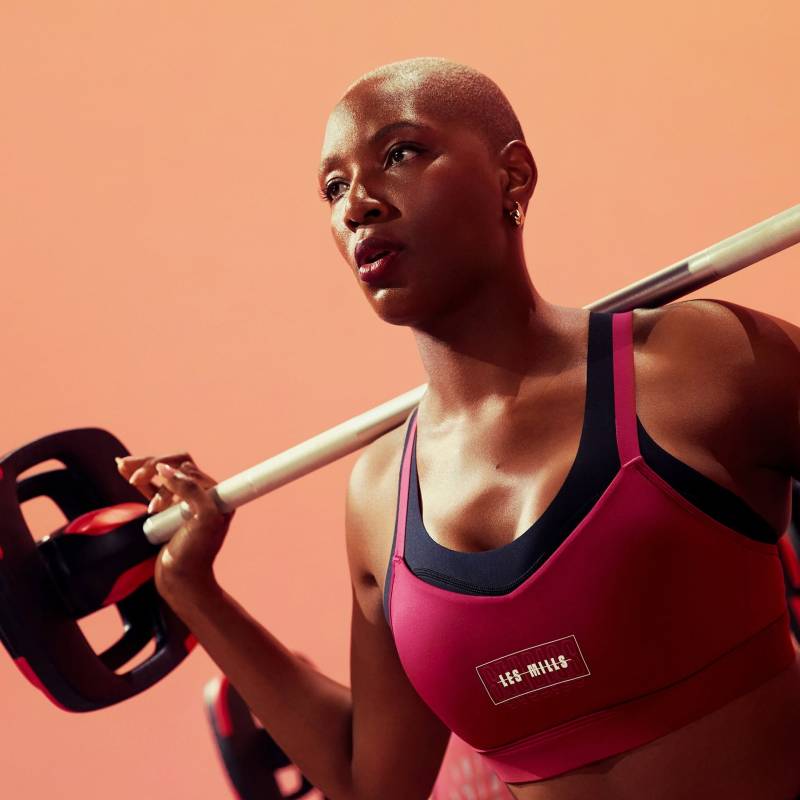
In the high-stakes world of elite fitness, where the body is treated as a finely tuned instrument, the conversation has shifted from mere calorie counting to the strategic science of metabolic performance. A recent culinary exchange featuring fitness enthusiasts Phillippe, Lynel, and Omar—joined by the formidable Peloton instructor Tunde Oyeneyin—provided a masterclass in how high-protein nutrition serves as the cornerstone of athletic resilience. The challenge was simple but profound: to swap and critique their staple post-workout meals, testing whether these athletes were fueling their ambition with the precision that their training demands.The discourse surrounding protein in this setting transcended simple nutrition; it was framed as the primary agent of muscle repair and long-term recovery. For the participants, each meal represented a tactical decision in their journey toward specific training milestones. However, the exchange revealed a critical realization: that protein, while vital, cannot exist in a vacuum. The balance of macronutrients—the delicate interplay of fiber, complex carbohydrates, and essential fats—is what dictates the difference between a sluggish recovery and the ability to return to the gym with renewed intensity.
The culinary competition began with Phillippe’s offering: pan-seared turkey meatballs accompanied by a vibrant medley of broccolini, green beans, and caramelized sweet potatoes. On paper, it was a nutritionist’s dream, balancing lean animal protein with a sophisticated array of fibrous, nutrient-dense vegetables. The guest judge, Tunde Oyeneyin, approached the dish with the analytical eye of a professional who understands the rigors of high-intensity output. While the texture of the meatballs sparked a spirited critique, the composition of the sides was lauded for providing the necessary fuel for sustained training. It was a dish that demonstrated how an athlete can prioritize recovery without sacrificing the complexity of flavor or the integrity of a balanced plate.Omar’s entry, a Chipotle-inspired taco bowl, brought a different philosophy to the table. Featuring ground beef, beans, air-fried potatoes, and a generous portion of homemade guacamole and pico de gallo, the dish was a celebration of density and satiety. In the fitness community, such a meal is often hailed for its "macro-friendly" profile, offering a robust profile of fats and proteins. The response from the group and Oyeneyin was immediate and overwhelmingly positive. The bowl was recognized not just as a source of fuel, but as a dish that satisfied the psychological craving for comfort—a crucial component in maintaining the long-term consistency required to stay in peak physical condition.

Related article - Uphorial Shopify

In contrast, Lynel’s chicken and rice dish offered a study in minimalism. As the quintessential staple of bodybuilders and endurance athletes alike, it is celebrated for its sheer predictability. The participants acknowledged the dish’s effectiveness in delivering a clean, efficient dose of protein and carbohydrates, noting its simplicity as a major asset in a busy training schedule. Yet, the critique from the group was illuminating: the dish was flagged for its lack of fiber and vegetable content. It served as a stark reminder that even the most efficient fueling strategies can fall short if they fail to account for the holistic needs of the digestive and metabolic systems.Tunde Oyeneyin’s presence provided the authoritative framing that the competition required. As a professional who spends her life guiding others through the intersection of physical pain and mental fortitude, her evaluation went beyond taste. She judged the meals based on a professional matrix of protein content, fiber density, and overall metabolic balance. Her insights elevated the discussion, transforming a casual meal swap into a pedagogical moment regarding how the modern athlete must approach their nutrition. She emphasized that the goal is not just to reach a specific protein target, but to build a plate that supports the body’s systemic health.
The coronation of the winner was secondary to the broader cultural understanding established during the event. The competition underscored that the modern fitness enthusiast is becoming increasingly sophisticated, moving away from the "chicken and broccoli" monotony of the past toward a nuanced appreciation for culinary diversity. It highlighted that the most effective training plan is one that acknowledges the humanity of the athlete—a meal must be effective, but it must also be sustainable and enjoyable.As the participants dissected the winners and losers of the day, a clear takeaway emerged: nutritional success is found in the middle ground between discipline and delight. Phillippe, Lynel, and Omar’s exchange was more than just a debate over flavor; it was a collaborative effort to solve the puzzle of daily performance. By inviting critique and analyzing the structural integrity of their favorite dishes, they modeled the very behavior that makes for a successful athlete: the humility to learn, the willingness to adapt, and the focus required to prioritize long-term performance over short-term gratification. In the end, the competition served as a powerful reminder that while sweat is the currency of the gym, food is the capital that makes the investment worthwhile.