The alarming rise of colon cancer, now the third most commonly diagnosed cancer worldwide, serves as an urgent call for widespread screening and prevention efforts, according to the Institute of Human Anatomy. The team underscores the tragic irony of the disease: it is "one of the most preventable cancers if caught early", yet the lab has housed bodies that succumbed after the cancer metastasized.
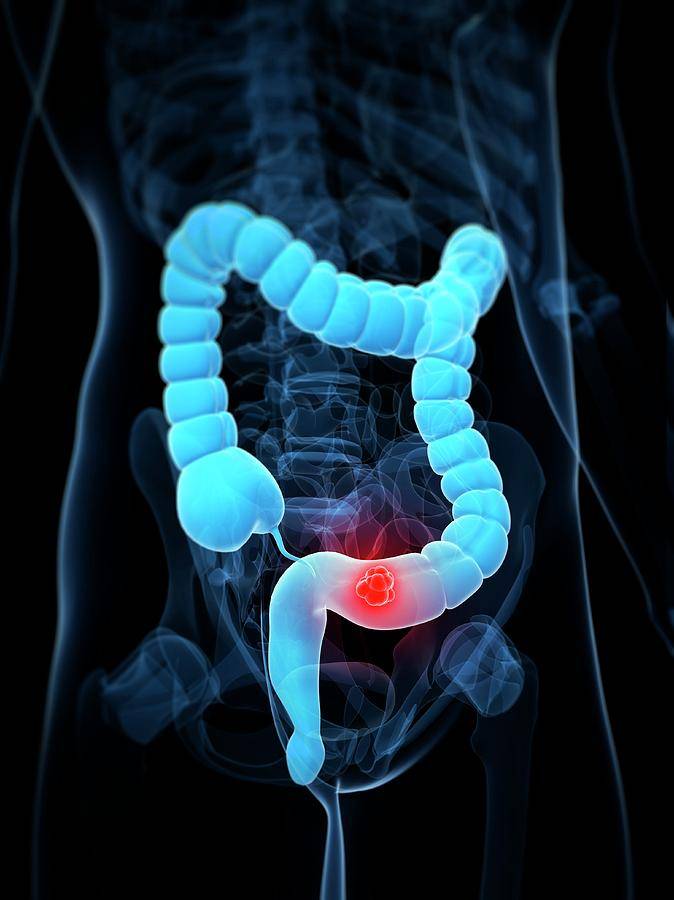
The colon, which makes up the majority of the large intestine, acts like the "picture frame of the abdominal cavity". Anatomically, the large intestine begins in the right lower quadrant, encompassing the cecum, ascending colon, transverse colon, descending colon, and sigmoid colon, before connecting to the rectum and the anal canal. Its primary function is to absorb the final portions of water and salt (electrolytes) from stool. The large intestine also hosts the microbiome, where bacteria produce metabolic byproducts like certain B vitamins and vitamin K, which the body can absorb.
Colon cancer, sometimes called colorectal cancer when it includes the rectum, usually originates from genetic mutations in the epithelial cells lining the inside of the colon, known as the tuna mucosa. Most cases begin with the formation of small, non-cancerous growths called polyps, visualized as "little mushroom-like bumps on the colon wall". While not all polyps become cancerous, certain types, like adenomatous polyps, can progress if further mutations accumulate over time. These subsequent mutations cause cells to grow out of control, ignoring signals to stop or die off. The cancer can then invade deeper layers, spread to nearby lymph nodes, and eventually metastasize to distant, vital organs like the liver or lungs. The body in the lab that died from colon cancer serves as a stark example: the cancer started in the colon but spread to the liver, which ultimately led to the person's death
Related article - Uphorial Radio

In its early stages, colon cancer is often symptom-free. As the disease progresses, signs may include blood in the stool, persistent changes in bowel habits (such as diarrhea or constipation), abdominal pain, unexplained weight loss, or fatigue caused by anemia.
Risk factors for developing the cancer are multifaceted. Age is a primary factor, with roughly 90% of cases occurring in people over 50. Alarmingly, however, rates are rising in adults under 55, a trend experts attribute to shifts in lifestyle. Controllable lifestyle risk factors include diets high in processed meats or low in fiber, obesity, smoking, heavy alcohol use, and a sedentary lifestyle. Inflammatory bowel conditions like Crohn’s disease or ulcerative colitis also raise the risk because chronic inflammation can trigger the necessary cellular mutations.
The good news, emphasized by the Institute of Human Anatomy, is that prevention and early detection are "totally doable" through screenings. Colonoscopies are recommended starting at age 45 for those at average risk, or earlier if risk factors are present. Critically, a colonoscopy is a preventative tool because it can "actually prevent cancer by removing polyps on the spot". Less invasive options, such as stool-based fecal immunochemical tests, screen for hidden blood.
The anatomist from the Institute of Human Anatomy recently underwent the procedure early due to "other things going on". Despite being sedated, the anatomist described the process with precise anatomical recall, detailing the scope’s passage through the external anal sphincter, into the anal canal, rectum, sigmoid colon, descending colon, transverse colon, ascending colon, and finally the cecum. The procedure is described as non-invasive because there is "no cutting," but it can "feel invasive" because the scope goes up the anal canal. The procedure is highly recommended as the best screening tool for polyps and colon cancer. Fortunately, the anatomist did not have any polyps, though an internal hemorrhoid was discovered.
The central message from the Institute of Human Anatomy remains the critical need for early detection. Most people who receive a cancer diagnosis typically do not die from the primary cancer (where it first originates). Instead, death usually results because the cancer has spread or metastasized to a secondary, more vital organ, such as the liver. Catching cancerous cells early in primary organs allows for removal, dramatically increasing the chance of survival. The urgent advice is to talk to a primary care provider about family history and risk factors to determine when to utilize screening tools.