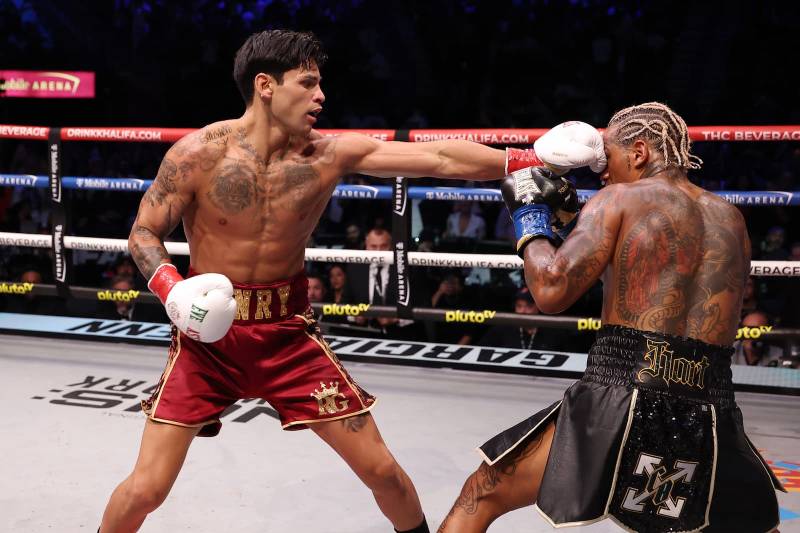
When Gervonta “Tank” Davis took to social media with a cryptic post earlier this week—just a single word, “Retired”—the boxing world held its breath. For a generation raised on highlight-reel knockouts and a deep hunger for authenticity, Tank was more than a champion; he was a symbol of grit, chaos, and unapologetic genius. At just 30 years old, with an undefeated record and a style that thrilled purists and casual fans alike, Davis’s abrupt retirement announcement is a seismic moment not only for boxing, but for the culture it often mirrors.The gym is more sanctuary than a sports facility. Calvin Ford, a former drug dealer turned trainer—whose life partly inspired the character Cutty in The Wire—took Davis under his wing. Ford saw something in him: speed, grit, anger, silence. But mostly, he saw hunger.
Born and raised in Baltimore, Maryland, Davis's journey from the rough Westside to world championships is one of modern sports’ most compelling arcs. Trained under the tutelage of Calvin Ford—a figure immortalized in HBO’s The Wire—Davis quickly became known for his explosive power and elusive footwork. He was a prodigy forged in pain and honed in discipline, a contradiction that made him electric both in and out of the ring. At 5’5” and fighting in the super featherweight to lightweight range, Davis routinely knocked out taller, technically superior opponents with a single devastating left. But it was his aura—part menace, part mystique—that drew comparisons to Mike Tyson and Floyd Mayweather, who also served as his promoter and mentor.

Related article - Uphorial Podcast
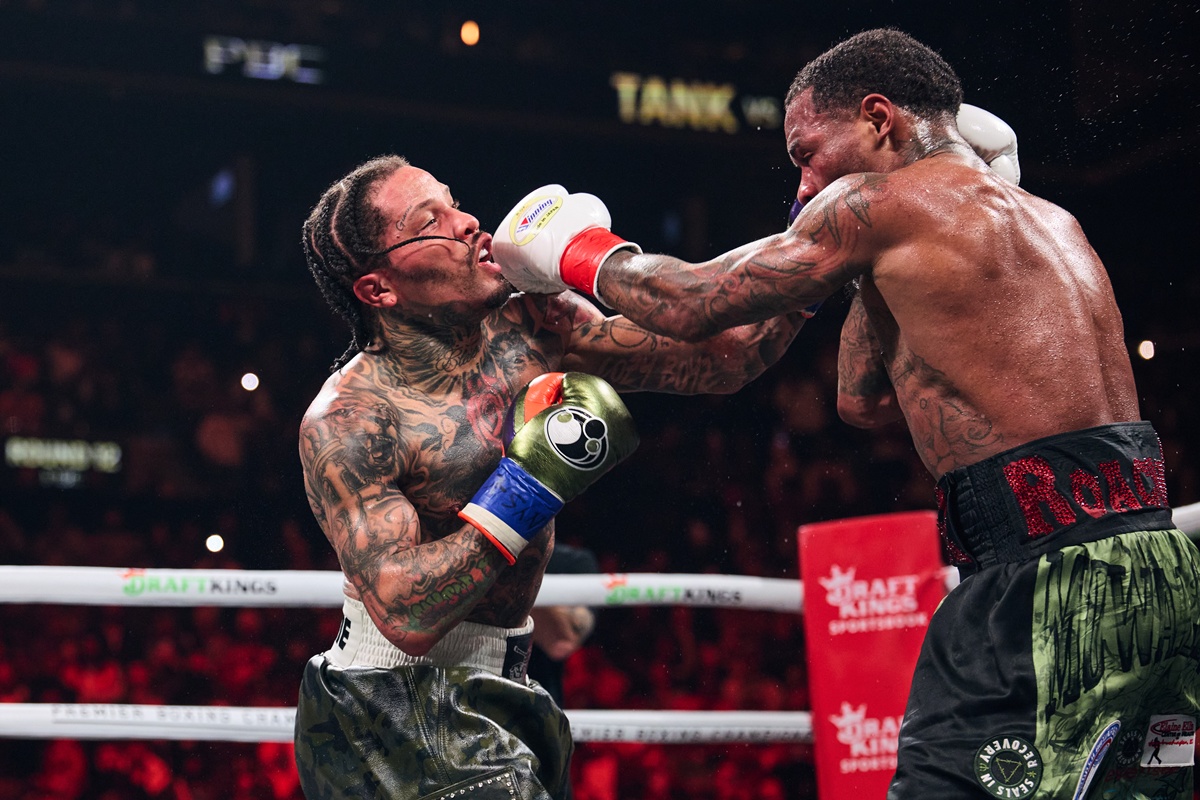
Throughout his career, Davis built a reputation as both a highlight machine and a complicated figure. Outside the ring, his name was often surrounded by legal issues, short-fused interviews, and cryptic tweets. Inside the ropes, though, he was poetry in motion—raw and refined, brutal yet beautiful. Davis’s fights became must-watch events not just for boxing fans, but for celebrities, rappers, and streetwear tastemakers. His walkouts—often draped in custom gear and flanked by the likes of Lil Baby or Meek Mill—blended sport with spectacle, turning arenas into hip-hop theaters. But in a sport that devours its stars with the same intensity it celebrates them, Tank’s silence following his last bout had grown louder. Rumors swirled. Was it a break? A PR strategy? Or something deeper? Unlike Muhammad Ali, who announced his retirement multiple times, or Floyd Mayweather, who turned his farewell into a business strategy, Davis offered no press conference, no victory tour. Just one word. It’s a fittingly enigmatic finale for a man who was never fully decoded. While boxing insiders remain skeptical—retirements in this sport are notoriously fluid—there’s a palpable sense that this one might stick. And if it does, Tank Davis leaves behind a legacy that feels both complete and incomplete: a warrior who never lost, but may have walked away before he was done.
Davis’s retirement is more than a loss for boxing—it’s a moment for Black cultural reflection. He represented a raw, unfiltered strand of modern Black masculinity, caught between glory and trauma. His story resonated with inner-city youth, not as a fairy tale, but as a survival manual. In many ways, he fought not just for belts but to be seen, respected, and remembered. Hip-hop artists cited him in lyrics. Streetwear designers styled him in their collections. He blurred the lines between athlete and icon, fighter and folk hero. With Davis gone, the question isn’t just who will be the next boxing star—it’s who will carry the cultural currency he embodied. Whether Davis returns in a year or remains retired, his influence is undeniable. He brought eyes to lower weight classes that hadn’t seen this kind of attention in decades. He made Baltimore proud, gave hip-hop a warrior, and gave the sport a villain-hero hybrid the likes of which we may not see again. And maybe that’s the beauty of this abrupt ending: in a world addicted to oversharing and staged vulnerability, Tank leaves as he lived—on his own terms, with fists clenched and lips sealed. As the final bell sounds, one thing is clear: boxing will miss him. But the culture? It will carry his imprint for years to come.