Kenya’s streets hum with the same electrical promise every smartphone screen does: one tap, one bet, one chance at a life-changing win. What began as a novelty—bookmakers on every corner, flashy TV ads, influencer shout-outs—has hardened into something more sinister. Across neighborhoods, universities, and online forums, gambling is no longer just an entertainment industry; public-health officials, clinicians, and community leaders increasingly call it a public-health crisis.
Behind the headlines are numbers and lived experiences that make the problem hard to ignore. Reports have shown punters wagering enormous sums—millions a month—highlighting how deeply betting habits are woven into everyday economic activity and how catastrophic losses ripple through families. For many young Kenyans, a betting slip has replaced a savings plan; for some, the compulsion has ended in acute mental-health crises. Those trends prompted an unprecedented regulatory response in 2025: a 30-day nationwide ban on gambling advertisements and a raft of new rules aimed at restricting exposure and tightening oversight.

Related article - Uphorial Podcast
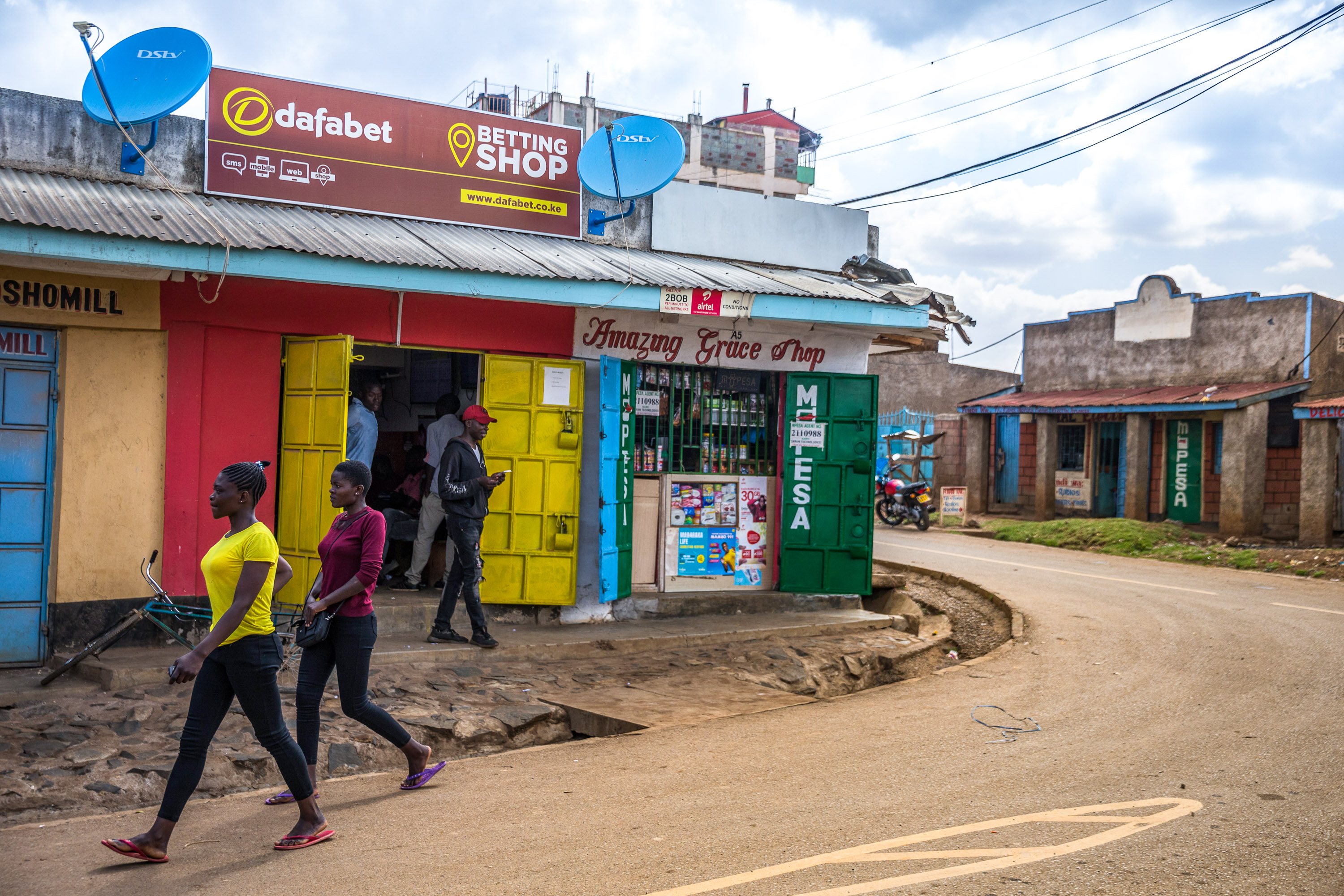
The response has not been purely top-down. Government ministries moved quickly to form a multi-agency rapid-response team tasked with curbing the most dangerous patterns among youth—outreach, counseling, and enforcement combined. Simultaneously, researchers and civil-society groups documented the social fallout: falling academic performance, mounting household debt, links to substance use, and, in tragic cases, suicide. That convergence—data, policy, and human cost—has reframed gambling from an economic pastime to a health problem demanding the same interventions we use for other addictions: screening, treatment, and prevention.
To truly see the problem, look at a single story. Brian (name used in local reports), a 22-year-old university student, once saw betting as a way to shortcut university fees and family pressures. A string of small wins made the app feel like a friend; mounting losses made it an enemy he couldn’t shake. Friends describe late-night bets, missed classes, and the slow unravelling of plans. Brian’s story is not an isolated anecdote—it mirrors thousands of others whose hope and risk tolerance were gamified by accessible apps and relentless promotion. The human toll—shame, fractured relationships, and untreated mental illness—turns statistics into faces.
So what does a public-health approach look like here? It borrows from addiction science: limit exposure (advertising and proximity to schools), build early screening in hospitals and schools, train counselors in cognitive-behavioral strategies specific to gambling disorder, and create economic safety nets that reduce the financial desperation driving risky bets. Kenya’s regulators have already signaled movement toward many of these ideas—ad restrictions, tighter licensing, and public campaigns—but implementation will be the true test.
The conversation must also shift away from moralizing to problem-solving. Betting companies, civil society, and health services each play a role: operators can adopt stricter age verification and spending limits; communities can destigmatize help-seeking; researchers can rigorously track outcomes so policies are evidence-based. Kenya’s moment is urgent but also instructive: nations with booming digital economies will face the same crossroads—do we treat gambling as commerce only, or as a social determinant of health? The path chosen here could guide policy across the continent.