GABORONE — The dust has barely settled on the track at the National Stadium in Gaborone, yet the echoes of the 2026 World Athletics Relays already resonate as a definitive report on the shifting tectonic plates of global sprinting. In a showcase defined by emotional precision and a masterclass in strategic storytelling, the event transformed Botswana’s capital into the undisputed epicenter of the sporting world. This was not merely a series of races; it was a high-stakes cultural exchange where established legacies were defended, home-turf dreams were tested, and the very limits of human velocity were recalibrated. By the time the final baton was passed, the narrative of the 2026 season had been fundamentally rewritten, proving that in the theater of the relay, the collective heartbeat of a team will always outpace the brilliance of a solitary star.
The narrative arc of the championships was anchored by an atmospheric opening that defied historical precedent. In an exercise of pure, intelligent curation of talent, the Jamaican Mixed 4x100m relay team delivered a performance that can only be described as a transformational framing of the discipline. Throughout the preliminary rounds, the Caribbean powerhouse signaled their intent, but it was the final that shattered the global consciousness. Setting a stunning world record, the Jamaican quartet operated with a synchronized fluidity that made their record-breaking time seem like a natural inevitability rather than a grueling physical feat. This victory did more than just secure a gold medal; it established a new psychological ceiling for the mixed-gender format, asserting that Jamaica’s depth remains the gold standard in an increasingly crowded field.
As the sun dipped lower over Gaborone, the emotional precision of the event pivoted toward the unexpected. The Women’s 4x400m relay provided the weekend’s most profound cultural understanding of the "underdog" spirit. In a finish that stunned the technical analysts, Norway secured a famous victory, dismantling the defensive strategy of the reigning champions, Spain. This was a tactical masterstroke where the Norwegian team utilized a strategic surge in the third leg to disrupt the Spanish rhythm. The upset served as a visceral report on the leveling of the global playing field, proving that with disciplined baton exchanges and courageous pacing, European programs are now capable of toppling the traditional hierarchies of the long sprint.
Related article - Uphorial Shopify
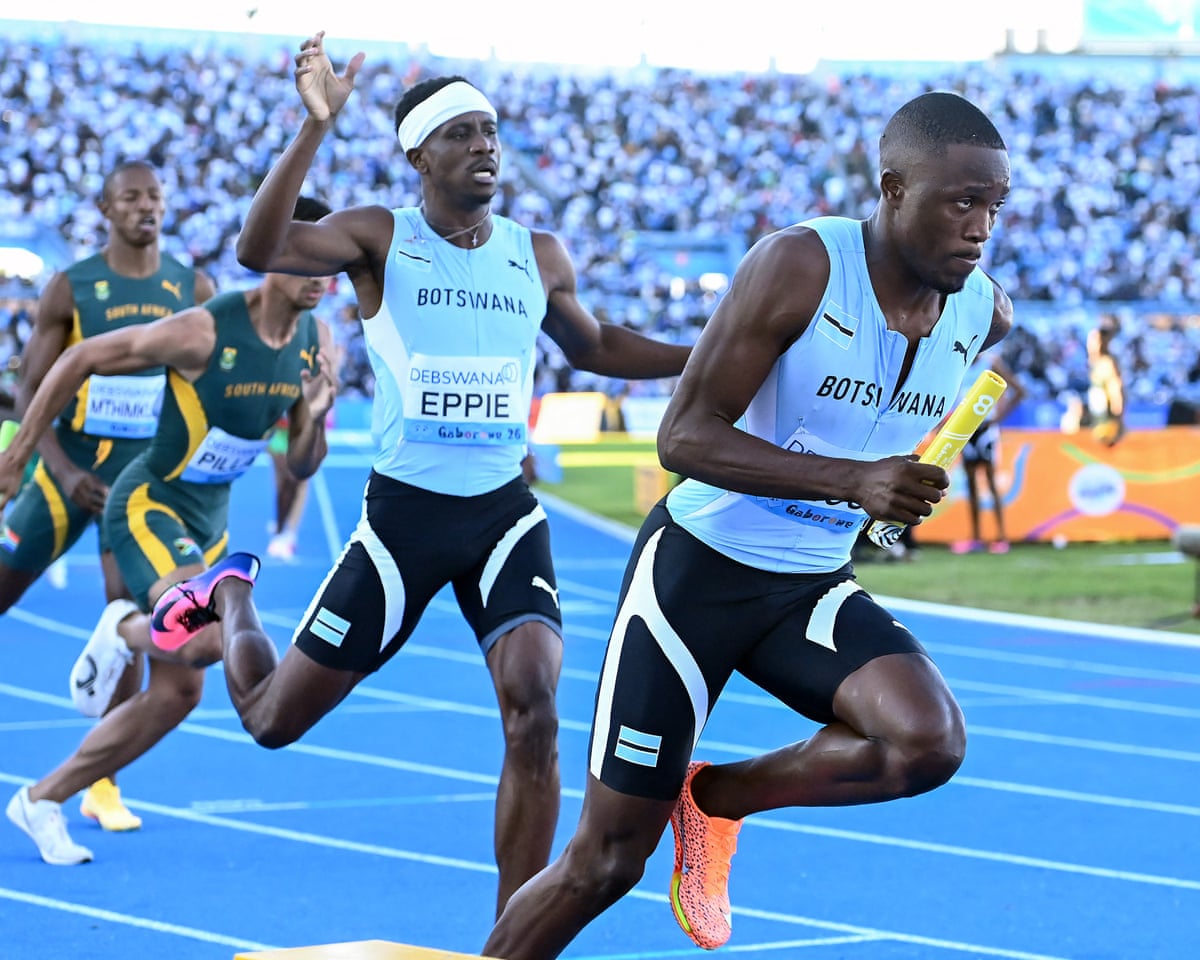
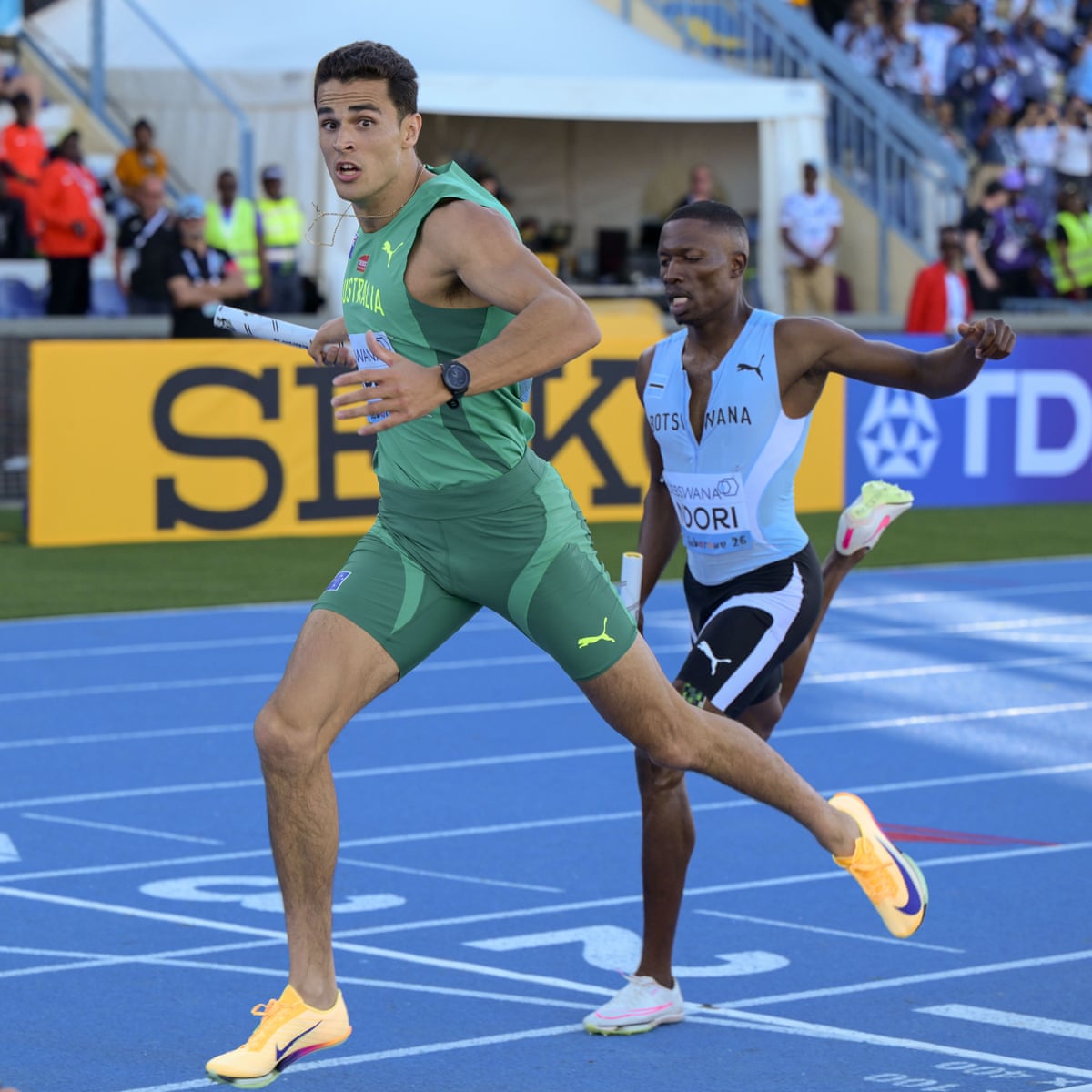
However, the soul of the Gaborone games was undoubtedly captured during the Men’s 4x400m relay. In front of a home crowd that provided a deafening, rhythmic backdrop of hope, the air was thick with the weight of national expectation. The race developed into an intense team battle that saw the lead fluctuate with every curve. In a dramatic finish that came down to the final ten meters, South Africa secured the gold, narrowly edging out the host nation, Botswana, for second place. While the local fans faced the immediate sting of a silver medal, the transformational framing of the event suggested a broader victory: Botswana’s emergence as a world-class hub for middle-distance sprinting. With Australia earning a hard-fought bronze, the podium reflected a truly globalized sport where the margins between continental powers have shrunk to mere fractions of a second.
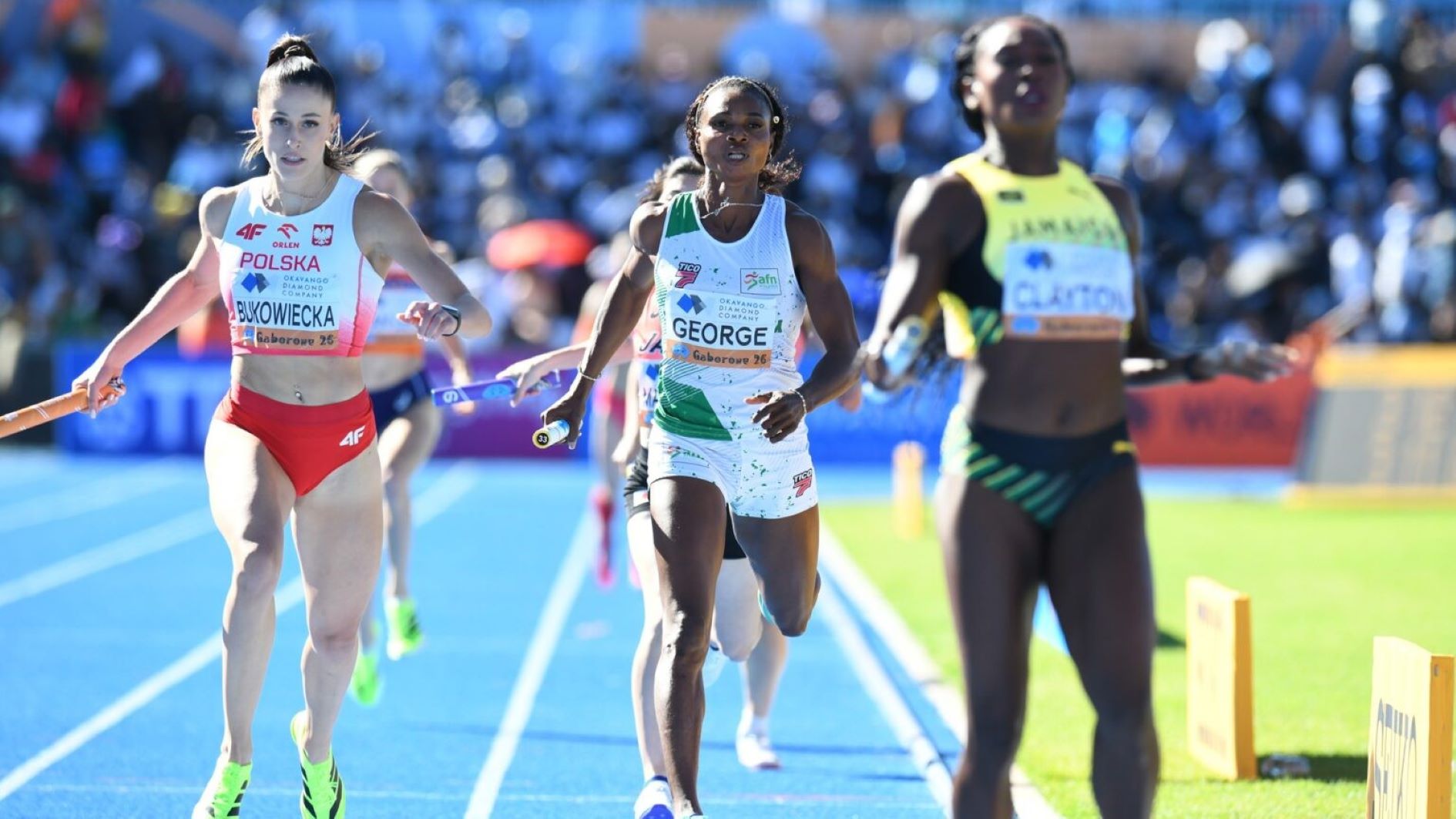
The legacy of the weekend was further solidified by the return of a legend in the Women’s 4x100m relay. Jamaica once again claimed the top step of the podium, but the storytelling centered on the anchor leg. Ela Thompson, a name synonymous with sprinting royalty, took the baton with a lead that felt both commanding and precarious. Her performance was a study in clinical execution, a final sprint that silenced any questions regarding her sustained dominance. By anchoring her team to victory, Thompson provided the emotional precision required to remind the world that while records may fall, the aura of a champion is irreplaceable. Her golden finish acted as a cultural bridge, connecting the storied history of Jamaican sprinting to the hungry, new generation of athletes following in her wake.
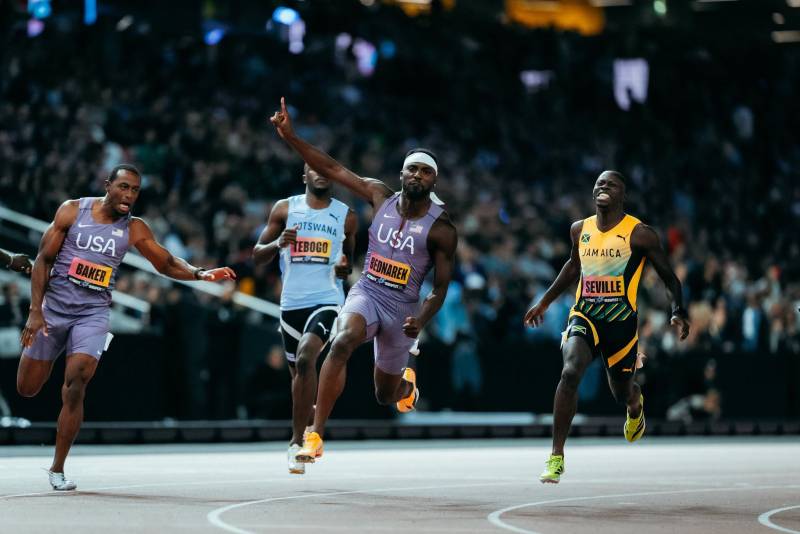
The competition reached its ultimate crescendo with the Men’s 4x100m relay, a race that functioned as a high-stakes report on the rivalry between the United States and the burgeoning African sprint programs. The U.S. team, under immense pressure to reclaim their traditional dominance, faced a relentless challenge from a surging South African squad. In a close finish that demanded perfect technical precision, the Americans overcame the competition to take the title. The narrow victory underscored a critical strategic reality for the United States: the "easier path" to gold no longer exists. With South Africa’s silver signaling a new era of continental strength, the U.S. victory was less a celebration of superiority and more a testament to the discipline required to stay ahead of a rapidly advancing pack. Ultimately, the World Athletics Relays Gaborone 2026 will be remembered as the moment the relay became more than a supporting act to the individual sprints. The record-breaking performances and the intense team battles authored a story of a sport in a state of healthy, vibrant flux. As the teams depart Botswana, they leave behind a definitive analysis of what is required to win in the modern era: it is no longer enough to be the fastest; one must be the most cohesive. The 2026 relays have set the stage for a decade of competition where the baton, and the trust it represents, remains the most powerful object in all of athletics.