Phillip Island has always been a place where stories collide with speed. In WorldSBK Race 1, the drama unfolded the way only motorsport can deliver—raw, unpredictable, and unforgiving. Nicolò Bulega, in just his debut season in the premier class, took control of the race with the poise of a seasoned rider. Calm under pressure, his victory was more than just points—it was a signal that a new chapter in superbike racing had begun.
But while Bulega’s rise was the heartbeat of the race, the shadows belonged to two giants. Toprak Razgatlioglu, the rider who lives on the knife’s edge of control, went down in a crash that left the grandstands in stunned silence. His aggressive style has often been his ticket to glory, but in Australia, it demanded a price. Then there was Jonathan Rea, the six-time world champion whose resilience has defined an era. Declared unfit to race after a brutal crash earlier in the weekend, his absence left a void—a reminder that even legends are not immune to the risks of this sport.
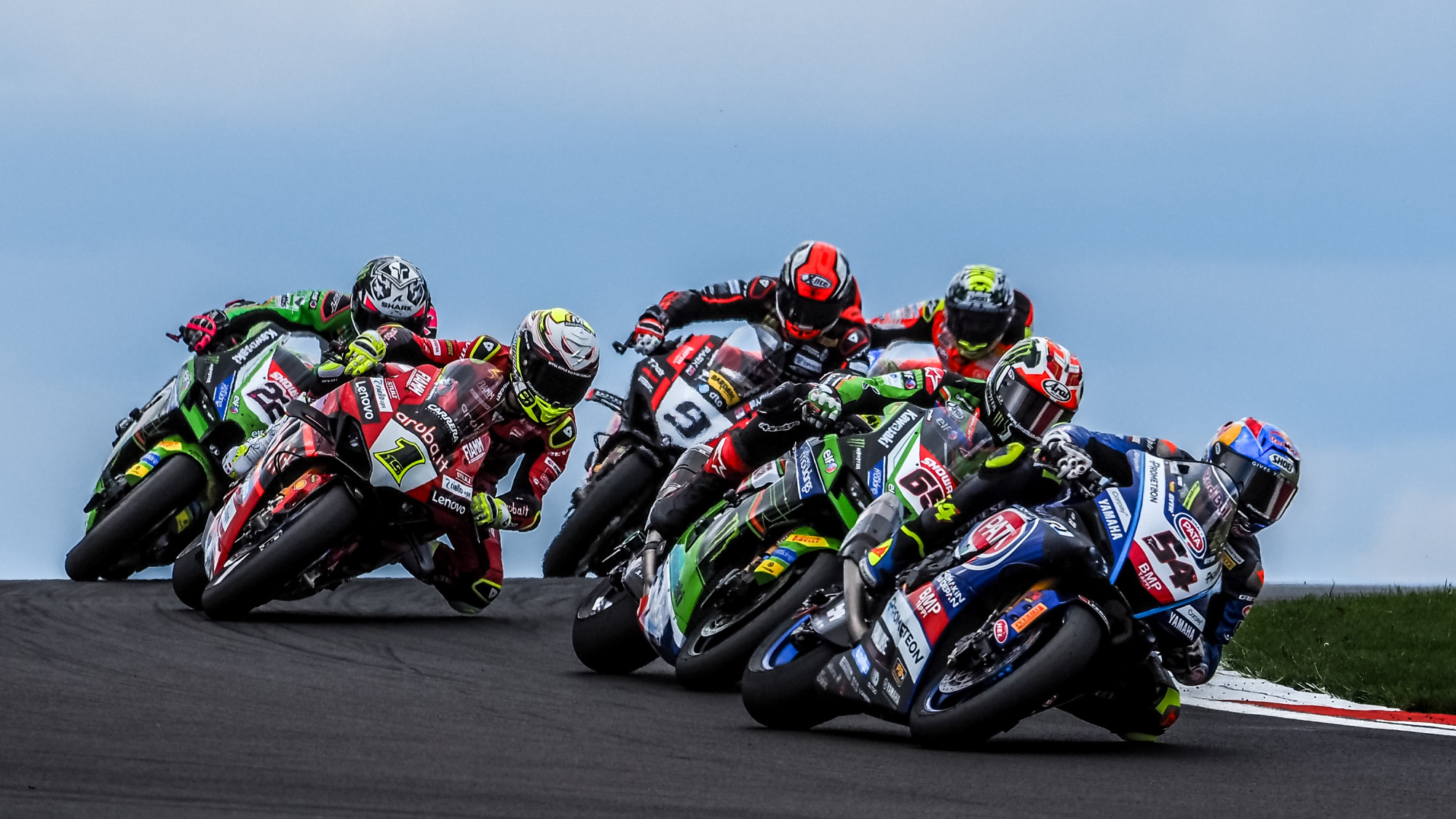
Related article - Uphorial Podcast
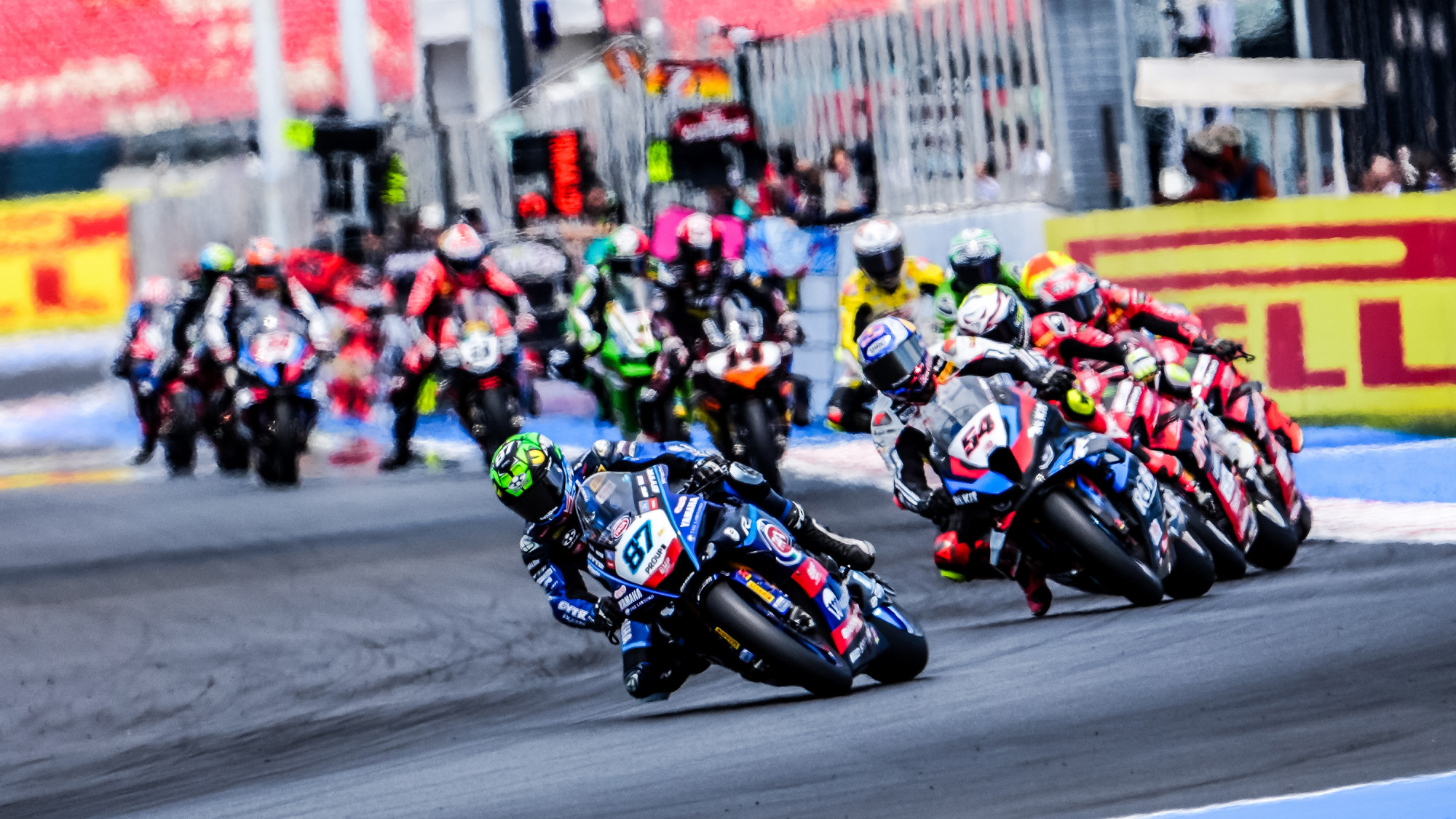
What makes Phillip Island so unique is that it doesn’t just host races—it tests character. Bulega’s composure, Razgatlioglu’s fall, and Rea’s forced withdrawal felt less like a set of results and more like a turning point. For fans, it was watching the old guard and the new wave meet at the crossroads. For the riders, it was a lesson that the margin between triumph and heartbreak is measured in fractions of a second. Motorcycle racing has always thrived on these extremes. It isn’t simply about who crosses the line first, but about the stories carved into every lap—the rookie who dares, the champion who endures, the star who risks it all. On that Australian afternoon, the WorldSBK grid reminded us why we watch: not just for the roar of engines, but for the human drama riding beneath the helmets.