You know that moment when you bite into a crispy fry, warm, salty, comforting, and it feels like a hug for your soul? Now imagine that hug conceals a whisper, a 20% higher risk of Type 2 diabetes according to a new study from Harvard-affiliated researchers. That is the kicker hidden behind the sizzle. But it is not just about that golden crunch. This is a story about preparation, patterns, and the quiet power of everyday choices that shape our health for decades.
This is not simply a warning about fries; it is an intimate look at how food becomes a language we speak without words. For years, potatoes have been at the center of comfort meals worldwide. But when you drop them into a vat of bubbling oil, something changes. Researchers following over 205,000 participants across nearly four decades found that eating French fries three times a week raised the risk of developing Type 2 diabetes by about 20%. Five times a week, that risk climbed to 27%. Yet when potatoes were boiled, baked, or mashed, the increase in risk was just around 5%. The potato is not the villain. The villain is in the transformation, the heat, the oil, the repeated frying that turns a wholesome tuber into a metabolic trap.

Related article - Uphorial Sweatshirt
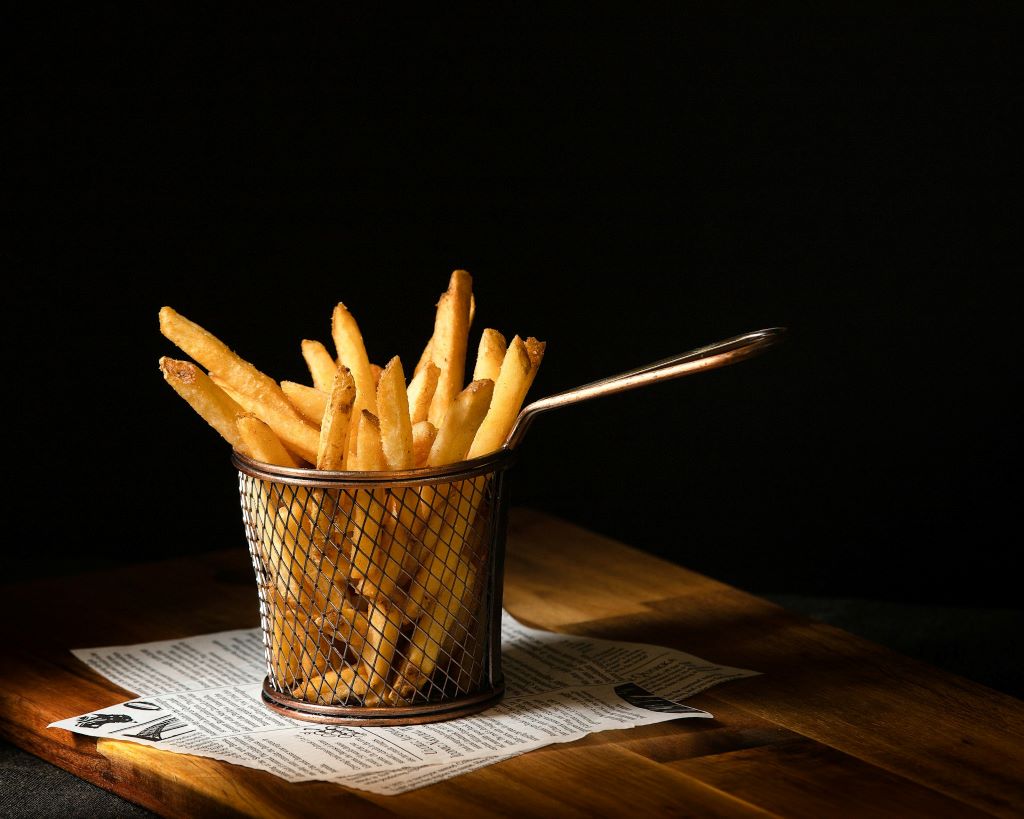
Frying is not just cooking; it is chemistry. The high heat breaks down the oil, often cheap and reused, creating harmful compounds. It adds unhealthy fats and layers of salt, causing blood sugar to spike and inflammation to flare. Over time, these reactions wear down the body’s ability to manage insulin, setting the stage for diabetes. It is not immediate, it is not obvious, but it is relentless. Still, there is a way forward. The same study found that swapping fries for whole grains could cut the risk of Type 2 diabetes by nearly 19%. Even replacing all potato dishes with whole grains trimmed the risk by 8%. This is not about punishment; it is about empowerment. It is about knowing that every choice on your plate writes the story your body will tell in years to come.
And here is where the human side enters. Think of a Friday night, a long week, laughter around the table, a plate of fries in the middle. We rarely think of long-term health in moments of joy. That is why the danger is so sneaky. It hides in the rituals we cherish. But what if we reimagined those rituals? Oven-roasted potatoes with rosemary instead of deep-fried sticks. A side of warm, whole-grain bread instead of another batch of fries. Comfort can evolve. Pleasure can adapt. This is not a crusade to ban fries from your life. It is a call to shift the balance. To see fries as an occasional indulgence rather than a default side dish. To understand that moderation is not deprivation, it is the art of enjoying something fully without letting it own you.
Because at its core, this is more than nutrition advice; it is a lesson in awareness. The decisions we make at mealtime are small, but their impact can be massive. Fries will always have their place in culture and cravings, but the question is, will they also have a place in your daily life, knowing what they take from you? So the next time you hear that familiar sizzle, pause. Think about the journey from farm to fryer. Think about the story you want your health to tell. Let fries be a celebration, not a routine. Because good health is not built in dramatic moments, it is built in the quiet, ordinary choices we make over and over again.