LONDON - The hallowed grass of the All England Club has always been a stage for the extraordinary, but few matches at the 2026 Wimbledon Championships have captured the capricious, exhilarating nature of the sport quite like the third-round clash between Frances Tiafoe and Alexander Bublik. Over the course of a five-set odyssey that spanned nearly four hours, the two protagonists transformed Centre Court into a laboratory of athletic expression, delivering a performance defined by high-wire shot-making, profound shifts in momentum, and the sheer, relentless willpower that separates the hopeful from the true contenders. When the final point was struck, it was the enigmatic Bublik who stood tall, securing a hard-fought victory that propelled him into the Round of 16 and left a capacity crowd breathless in the wake of the drama.
The match began with an intensity that suggested an immediate collision of philosophies. Tiafoe, the charismatic American whose game is built upon a foundation of explosive athleticism and an infectious, high-energy engagement with the crowd, sought to dictate from the baseline. Opposite him, Bublik played with the calculated unpredictability that has become his signature. Whether it was a touch-volley that barely cleared the net or an audacious, underarm serve meant to disrupt the flow of his opponent, Bublik treated the court as a canvas for creative defiance. The early rallies were a blur of pace and precision, with both men trading winners that seemed to defy the conventions of grass-court tennis.

Related article - Uphorial Shopify
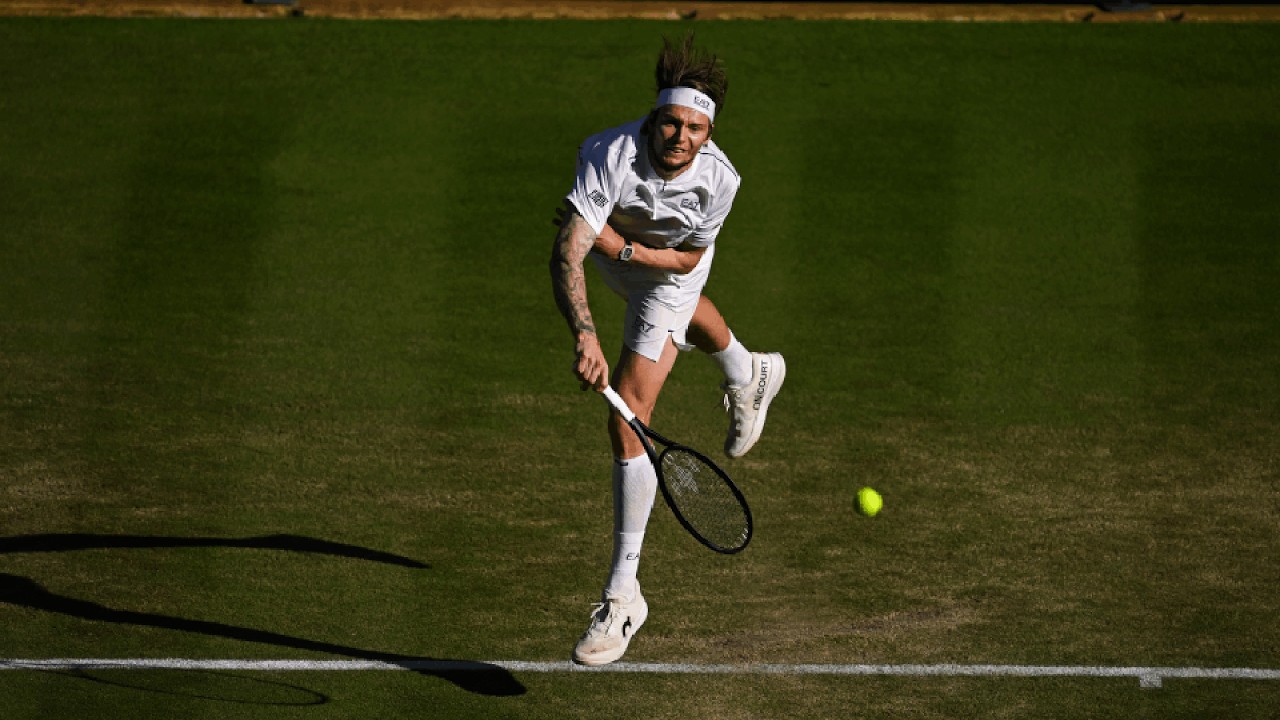
The trajectory of the match began to tilt decisively in the third set. As the intensity escalated, it was Bublik who found the more consistent rhythm, his ability to inject sudden pace into defensive exchanges putting Tiafoe under significant, sustained pressure. Securing the set to move ahead two sets to one, the Kazakhstani player appeared to have the match firmly in his grasp. The stadium, sensing the potential for a swift conclusion, hummed with the anticipation of a dominant finish. Yet, the narrative of a Grand Slam match is rarely so simple, and the subsequent act would reveal the true depth of character within the man from Maryland.Frances Tiafoe is a player whose career has been defined by his refusal to accept the inevitability of defeat, and the fourth set became a testament to that resilience. With his back against the wall, Tiafoe dug deep into a reservoir of mental fortitude, recalibrating his game to mitigate Bublik’s unconventional arsenal. His movement became sharper, his groundstrokes more authoritative, and his ability to neutralize Bublik’s net approaches with clinical, passing shots forced a change in the dynamic of the court. Point by point, game by game, the American clawed his way back, leveling the match at two sets apiece and sending a surge of electricity through the arena. The contest, which had threatened to end in a straight-set momentum shift, had been successfully forced into the high-stakes, pressure-cooker environment of a fifth and deciding set.
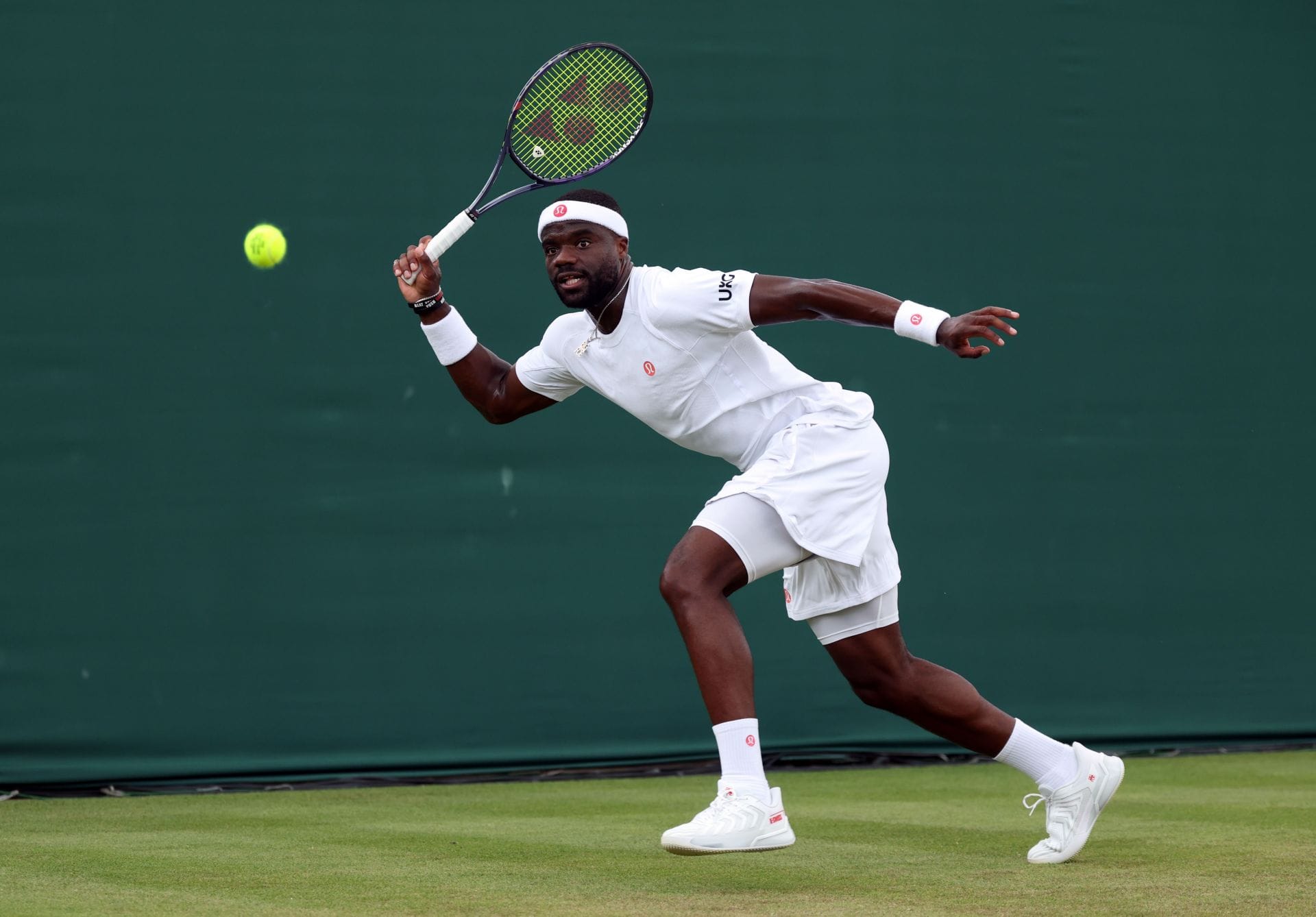
The final set was a masterclass in psychological and physical endurance. Fatigue had clearly begun to take its toll, yet both players found ways to elevate their performance, refusing to concede a single centimeter of the court. Every service hold was contested with desperation; every break point was saved with a mixture of luck and raw, unadulterated grit. It was a spectacle that distilled the very essence of the Wimbledon experience: two athletes pushed to their absolute limits, fighting not just for a spot in the next round, but for the satisfaction of having left everything they possessed on the grass.
As the match reached its dramatic conclusion, it was Bublik who ultimately found the final, decisive advantage. In the closing games, his ability to maintain composure under the crushing weight of the moment proved the difference. As he struck a final winner to seal his place in the Round of 16, the eruption of noise from the stands reflected both the quality of the tennis and the emotional toll of the journey. For Bublik, the victory is a significant stride forward, a moment that confirms his capacity to thrive on the sport’s biggest stage. For Tiafoe, the exit is undeniably painful, yet it serves as a powerful reminder of his enduring status as one of the tour’s most resilient competitors.
The match between Tiafoe and Bublik will be remembered not simply as a victory for one and a defeat for another, but as a highlight of the 2026 Championships—a reminder that tennis, at its core, is a human struggle played out in the most beautiful of settings. As Bublik moves forward to face his next opponent, he does so with the confidence of a player who has navigated the stormiest of waters and emerged stronger on the other side. The tournament continues to unfold, but the memory of this particular afternoon, and the sheer, relentless athleticism of these two men, remains a defining chapter in a summer that continues to surprise at every turn.