Seoul, a metropolis that remarkably rebuilt itself from the devastation of war in a matter of decades, has cemented its status as a super modern capital and a global powerhouse, according to the travel experiences shared by "Dots on a Map". The channel highlights how Korean culture has since spread globally, influencing pop culture, fashion, food, and, significantly, the world of beauty. Visitors travel to Seoul to witness firsthand how South Korea achieved this cultural takeover.
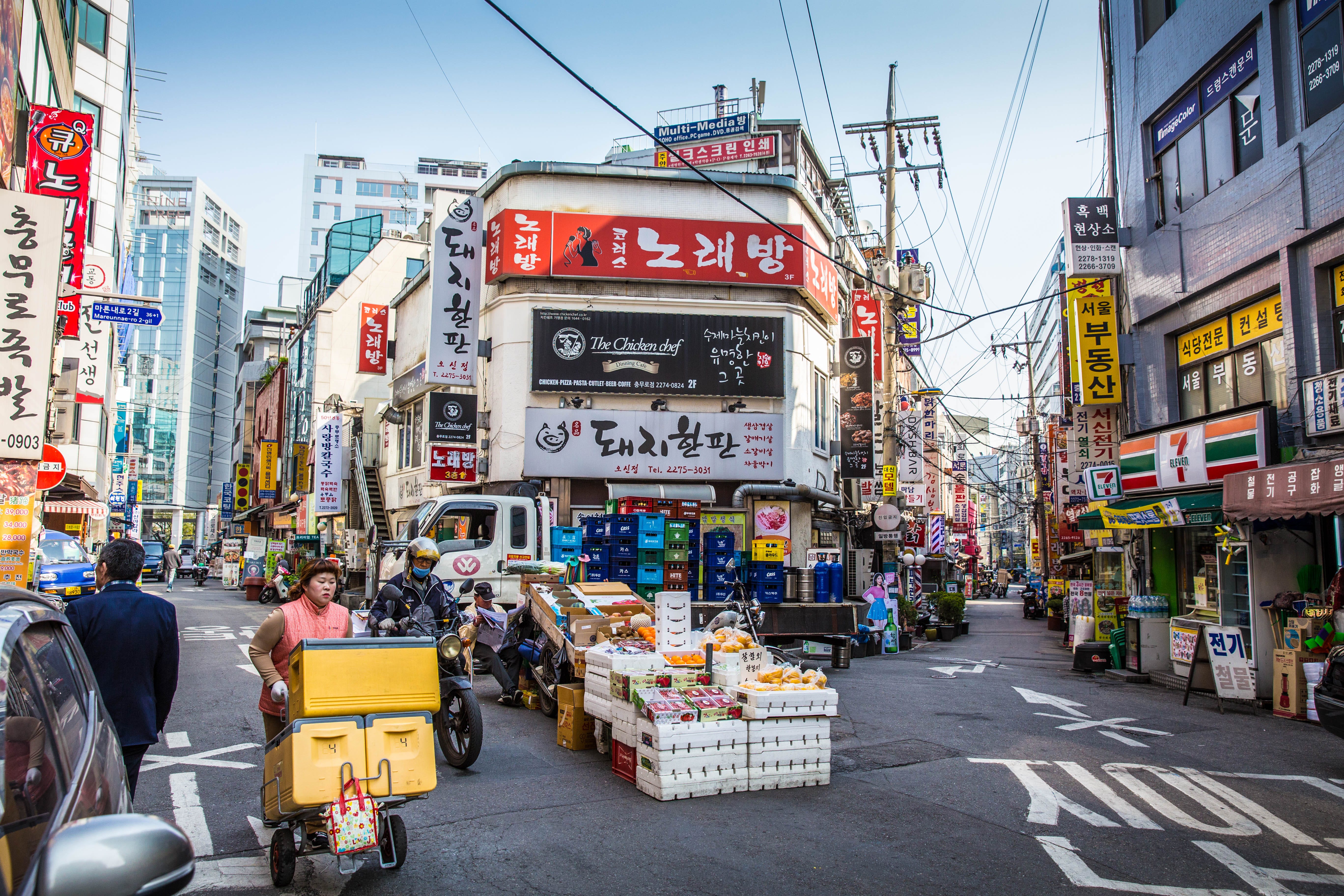
The heart of this cultural phenomenon is palpable in districts like Myeongdong, described as the "Times Square of Seoul". This massive shopping district serves as a core hub for Korea’s immense beauty industry, which is projected to be valued at $25 billion by 2025. Myeongdong is saturated with beauty businesses, including Olive Young—a huge skincare and makeup chain—as well as hair salons, makeup stores, and various aesthetic clinics offering services ranging from dental cleaning to plastic surgery. The channel notes that in Korea, beauty is considered a cultural value and a powerful form of social capital, influencing opportunities in work and relationships, and there is notably "no stigma" attached to the continual pursuit of beauty.
K-pop idols play a crucial role in trendsetting, creating a shared identity that has rapidly spread, making Korean beauty standards increasingly the global norm. The "Dots on a Map" team experienced a professional makeup session that revealed the distinct Korean approach, which differs greatly from Western techniques. The goal is to achieve a flawless, dewy, and radiant look, heavily prioritizing the appearance of the skin. A key trend is the aegyo sal makeup, which uses brown shadow to accentuate the fat beneath the eye, creating a "baby face" that makes the face look "short". This shaping technique, popular with K-pop artists, results in a doll-like, youthful, and almost anime-like appearance, demonstrating how makeup is viewed as an art form with the "power to shape shift" the face. Shopping locales like Seonsu, dubbed the "Brooklyn of Seoul," further illustrate the city's identity as a "consumerist paradise" where people travel specifically to purchase beauty products.
Related article - Uphorial Radio

Beyond aesthetics, Seoul's nightlife is inextricably linked to food and drink, meaning one rarely drinks without accompanying sustenance. Nightlife districts, such as Jongno, feature pochas—informal street food eateries—that are packed with people eating and drinking late into the night. The essential companion for any Korean night out is soju, a potent alcohol made from rice, wheat, or barley, which is considered the drink of choice that pairs well with everything. Soju etiquette is key: when drinking with an older person, one must use two hands to pour or receive the drink and turn away while drinking. An average male citizen in Seoul might drink two or three bottles of soju per night.
The food culture is deeply traditional, even amidst the hyper-modern environment. Street food markets, described as "loud, scented, and familiar," offer staples such as comforting hand-cut noodles (kalguksu) and mandu (Korean dumplings), praised for their light, simple, and nourishing qualities. Another traditional favorite is the deep-fried mung bean pancake, which is served with a savory, tangy soy sauce and pickled onion. More adventurous fare, often consumed while drinking, includes raw dishes like beef sashimi and the notorious sannakji, or raw octopus, which is served still wiggling. The raw octopus, which requires vigorous chewing due to the risk of choking, is surprisingly fresh and flavorful when dipped in sesame oil. Even when recovering, hangover food is serious, exemplified by haejangguk (hangover soup) like pork bone and potato stew (gamjatang), served piping hot to handle "any amount of soju".
The channel’s experience, including learning to make fresh kimchi and hand-cut noodles with a Korean grandmother (halmoni), underscores that despite Seoul’s futuristic façade and its efficient culture where citizens are keen to follow rules, food traditions remain "rooted in tradition". This exciting fusion of deep-seated custom and hyper-modern efficiency makes Seoul an "incredibly exciting city to explore".