PARIS - Behind the velvet curtains of the world’s most prestigious opera houses lies an invisible, feverish metropolis of artistry, where needle and thread weave the vital magic that breathes life into theatrical storytelling. Far away from the applause of the main stage, massive clandestine workshops hum with the quiet, intense concentration of master artisans whose craft rivals the most exclusive houses of Haute Couture. In an exceptionally revealing, masterclass-level documentary chronicle behind the scenes of legendary theatrical ateliers, the monumental scope of costume creation, historical preservation, and technical ingenuity is brought into sharp, luminous focus. Through emotional precision, intelligent curation, cultural understanding, strategic storytelling, and transformational framing, this comprehensive news-style report explores the breathtaking craftsmanship, specialized artistry, and tireless dedication required to dress the world’s greatest stage productions.
The foundational heartbeat of these legendary workshops is anchored by master tailors and specialist flou ateliers whose technical standards directly parallel, and frequently surpass, the rigorous demands of traditional Haute Couture. Operating on an industrial yet exquisitely delicate scale, these artisans craft bespoke garments for multiple massive stage productions simultaneously, ensuring that every historic doublet, modern avant-garde gown, and classical tunic is executed with absolute perfection. Through emotional precision, this behind-the-scenes reality captures the profound intensity of the workrooms, where centuries-old tailoring traditions meet the relentless opening-night deadlines of a world-class opera house.
Related article - Uphorial Shopify

Yet, creating a theatrical spectacle requires an army of specialists whose crafts extend far beyond conventional sewing and pattern-making. Within these bustling ateliers work master artisans dedicated exclusively to highly specialized, centuries-old disciplines: wig makers who hand-ventilate individual human hairs into cinematic masterpieces, milliners who construct theatrical headwear defying gravity, and specialized textile dyers and patinators who master the complex arts of distressing and painting fabrics. Through intelligent curation of these rare crafts, the workshops are revealed as living museums of applied arts, where dying, aging, and chemical manipulation transform raw bolts of fabric into garments that look as though they have survived centuries of weathering and emotional trauma.
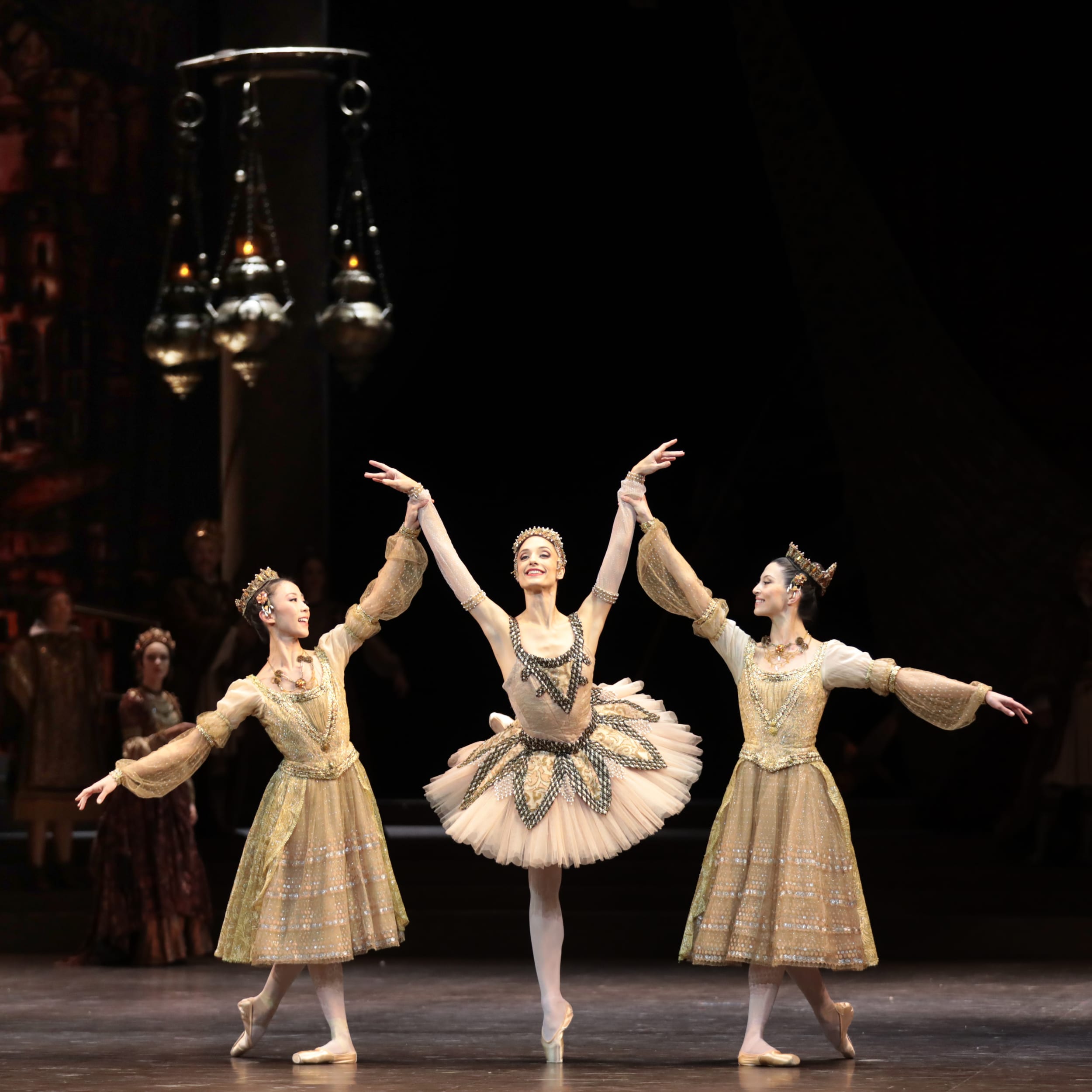
Once these magnificent creations leave the workshop floor, they face their ultimate test on the bodies of elite performers who demand absolute physical perfection from their attire. Professional ballet dancers and opera stars, such as renowned principal dancer Hugo Marchand, emphasize that theatrical costumes can never be viewed merely as static decorative art; they must be rigorously engineered for comfort, breathability, and extreme flexibility. A costume must withstand hours of physically grueling leaps, pirouettes, and theatrical combat without restricting an artist's diaphragm or tearing at the seams. Through cultural understanding of physical performance arts, this dynamic bridges the gap between high fashion and kinetic functionality, proving that a costume is a vital apparatus of athletic expression.

Preserving this grand heritage while operating within the practical constraints of modern production schedules requires an extraordinary commitment to archiving and recycling. Housed within vast, cathedral-scale storehouses like the Ateliers Berthier lies a staggering historical archive preserving hundreds of thousands of historical costumes. Rather than letting these priceless garments gather dust, master archivists meticulously catalog, restore, and creatively repurpose them, integrating vintage pieces into fresh productions. Through strategic storytelling, these massive archives are reframed not as mere storage units, but as living ancestral libraries, where the ghosts of past performances continually whisper inspiration to new generations of designers.
To bring these monumental visions to life without crushing the performers under excessive physical weight, the ateliers rely on brilliant feats of technical innovation. When genuine hand-embroidery is too heavy or time-prohibitive for active stage work, the team deploys creative optical illusions, such as sophisticated trompe-l'œil painting techniques, to flawlessly mimic intricate beadwork and heavy embroidery from a distance while keeping the garment feather-light. Through transformational framing, the work of the theatrical atelier is elevated from a behind-the-scenes support trade into a profound artistic discipline—proving that the enduring magic of the performing arts relies entirely on the unseen hands of those who engineer beauty, history, and wonder from a simple piece of thread.