Drawing on the fundamental principles of physics, Professor Helen Czerski presents a compelling framework for understanding Earth as a single, interconnected life support system at Gresham College. She argues that for citizens of this planet, comprehending its core operating rules is not just useful, but essential for navigating the future. The central challenge of our time, according to Czerski, is resolving the increasing conflicts between our civilization's infrastructure and the planet's natural systems. To address this, we must shift our perspective from working against the planet to working with it, viewing ourselves as an integral part of its complex, woven fabric. The key to this understanding lies in simplifying the bewildering array of planetary processes—from the instantaneous fragmentation of a sea bubble to the million-year accumulation of chalk cliffs—by examining the flow of its two basic components: energy and matter.
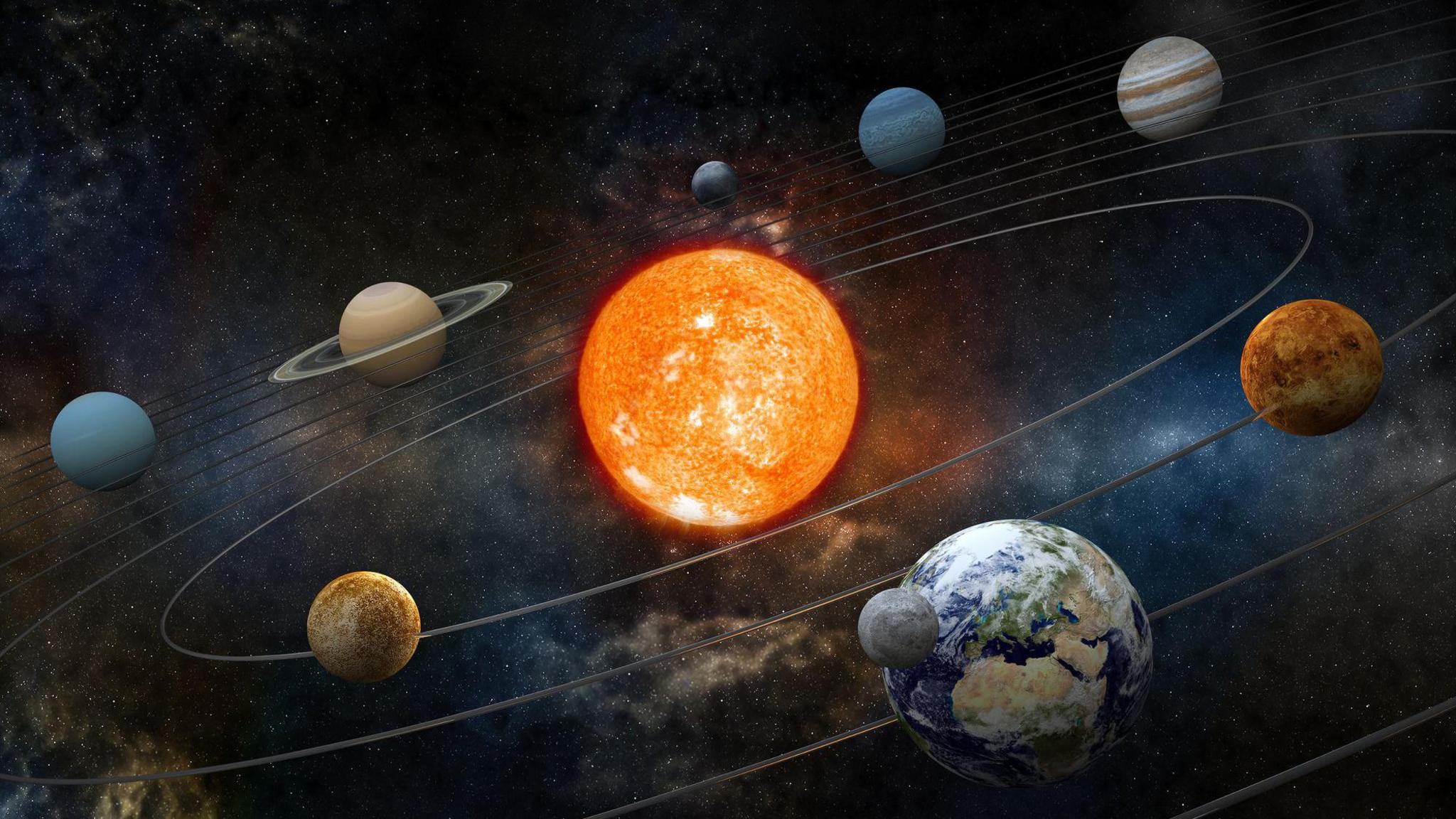
Czerski establishes two unbreakable rules that govern our world. The first rule pertains to energy: Earth is an open system through which energy flows, becoming progressively less useful as it cascades through various processes. Our planet is powered almost entirely by sunlight, which pours in as a simple, low-entropy energy source. This energy is not accumulated indefinitely; instead, it is radiated back out into space as heat or infrared radiation. The balance between this incoming and outgoing energy flow sets the planet's temperature, and the current imbalance—where we are slowing the rate at which heat escapes—is the fundamental driver of climate change. Crucially, not all energy can do useful work, like driving weather systems. For motion to occur, there must be differential heating—a difference in temperature from one place to another, like the contrast between the warm equator and the cold poles. As this useful energy moves through the system, driving atmospheric and oceanic circulation, it degrades, eventually ending up as heat that can do no more work.
Related article - Uphorial Radio
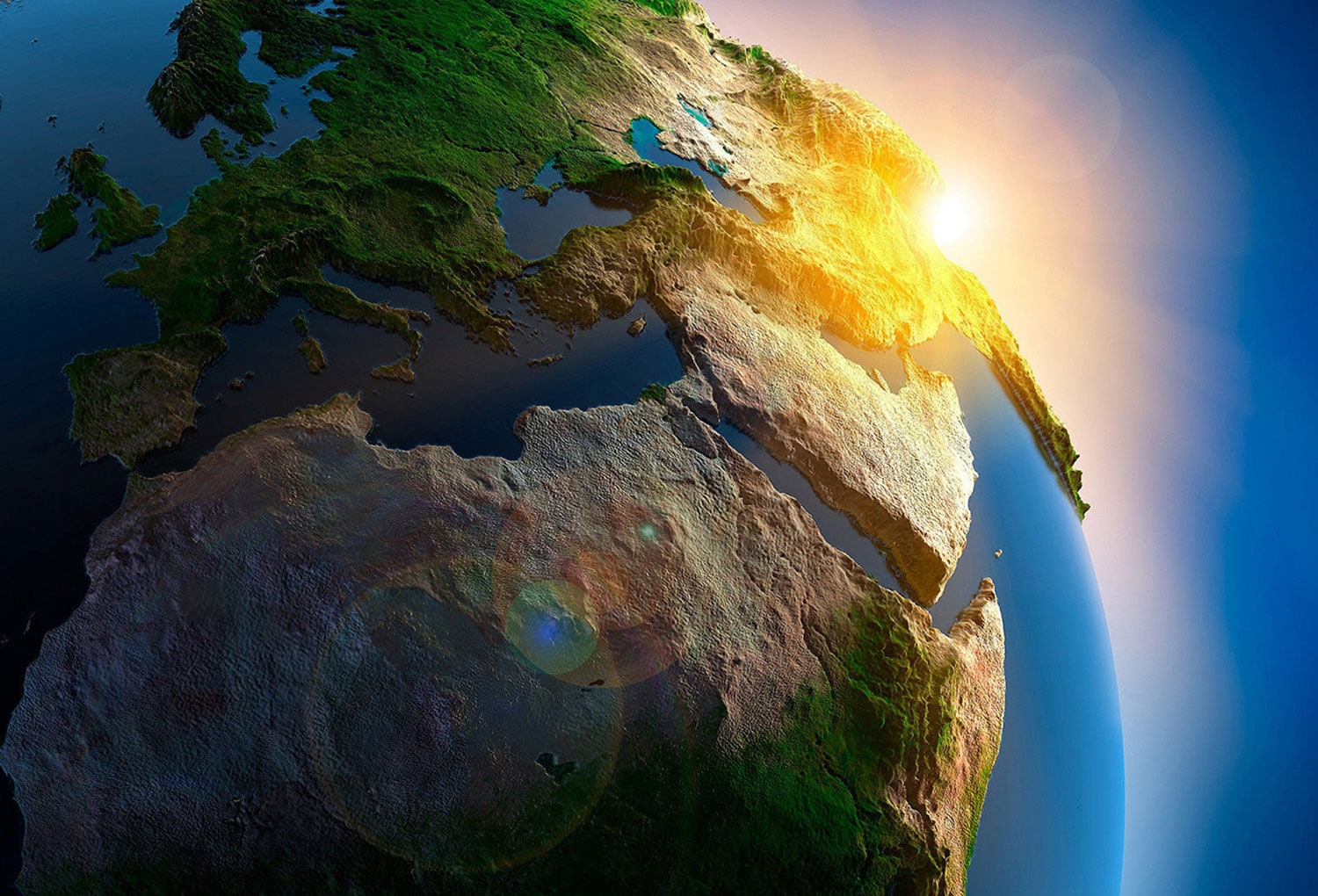
This degradation of energy is linked to a universal law: the second law of thermodynamics, which states that the total disorder, or entropy, of the universe must always increase. Every process that happens, from a beaver building a dam to the formation of a wave, must pay an "entropy tax". Czerski explains that Earth pays for the creation of all its beautiful, complex, and ordered structures—including life and civilization itself—by exporting entropy to the universe. The low-entropy sunlight that arrives is transformed and exits as high-entropy infrared radiation, carrying the universe's "disorder debt" away with it. This concept, she notes, is the modern scientific evolution of James Lovelock's Gaia hypothesis, where the entire planet, not individual organisms, is the unit that maintains internal order by exporting disorder to its surroundings.
The second unbreakable rule governs matter: Earth is a closed system where atoms must be recycled, but this recycling requires specific processes and is not automatic. With the exception of occasional meteorites, the 94 naturally occurring elements we have are all we will ever have. This finite supply makes recycling inevitable. Czerski vividly illustrates this with the story of the Australian Dung Beetle Project. When cattle were introduced to Australia, their wet dung accumulated for years, fouling the landscape and breeding plagues of bush flies, because native insects were only adapted to the hard, dry droppings of kangaroos and wallabies. The ecosystem's recycling mechanism was broken. The solution required the careful, scientific introduction of non-native dung beetle species capable of processing the cowpats, thereby returning nutrients to the soil and restoring a vital cycle. In a healthy, evolved system, waste from one component becomes a resource for another—a principle demonstrated by everything from the oceanic food web, where even whale feces recycle crucial nutrients like iron, to the geological formation of chalk cliffs from the remains of ancient sea creatures, which we now use to make concrete.
Ultimately, Czerski's lecture is a call to recognize our deep integration within this massive planetary engine. Understanding these two fundamental rules—that energy flows through and degrades, while matter must cycle within—provides a powerful, humbling, and beautiful framework. It encourages us to see the myriad connections that sustain our world and to appreciate the intricate physical constraints that, far from being limitations, are the very source of the planet's creativity, richness, and wonder.