In the shimmering, glass-lined horizon of Dubai, where the relentless ambition of the future often threatens to overshadow the layers of history beneath, Kathy Johnston has carved out a life that is fundamentally rooted in the act of creation. As a baker and artisan chocolate maker, Johnston does not merely operate within the city’s culinary sector; she serves as a modern-day cartographer of its soul. Her daily rhythm, a carefully choreographed dance through the vibrant neighborhoods of the United Arab Emirates, offers a rare, intimate view of a city that is frequently misunderstood as a purely synthetic construction, revealing instead a place deeply connected to the ancient, fragrant paths of the historic spice trade.
The morning begins not in a kitchen, but at the water’s edge. For Johnston, the daily swim at Kite Beach is a moment of necessary stillness before the kinetic energy of the day takes hold. It is a grounding ritual, a way to calibrate the senses before moving into the heart of the city’s culinary community. This leads her directly to Birch Bakery, a space that has become a vital hub for Dubai’s staggering diversity. Here, bread is not just sustenance; it is a universal language spoken by the city’s melting-pot population. During her visit, the conversation turns toward the intangible threads that bind the city together, with Johnston sharing a poignant memory of her mother’s photography. Her mother spent years documenting the traditional gates of the region—architectural portals that once separated the desert from the sea, the private from the public. These images serve as a metaphor for Johnston’s own work, which seeks to open doors between cultures, inviting neighbors and strangers alike to share in a common experience of craft and comfort.
Related article - Uphorial Shopify
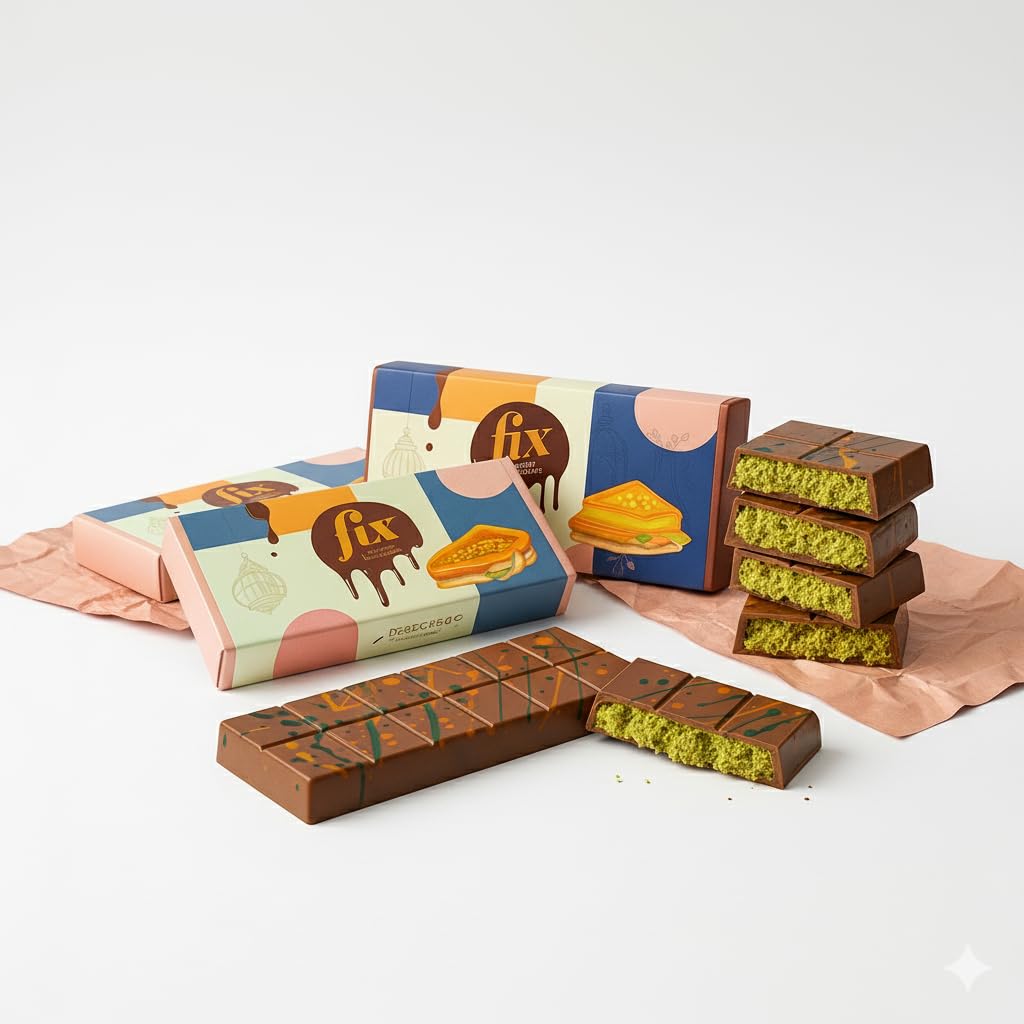
By midday, the sensory focus shifts from the warm, earthy scent of sourdough to the complex, intoxicating aroma of roasted cacao at Mirzam Chocolate Makers, tucked away in the industrial-creative sanctuary of Alserkal Avenue. This is where Johnston’s professional curiosity truly flourishes. The production floor is a theater of alchemy, filled with the low, steady hum of specialized grinders working to break down raw beans into velvet. Her approach to chocolate is a historical excavation; she experiments with flavors like saffron, cardamom, and rose—ingredients that were once the primary cargo of the dhows that navigated the perilous waters between the East and Europe. These recipes are more than mere novelties; they are edible histories, acknowledging the spice routes that transformed this region into a global crossroads long before the advent of the modern skyscraper. By synthesizing these ancient trade motifs with contemporary artisan techniques, Johnston manages to bridge the distance between the legacy of the old world and the hyper-modern reality of the new.
The afternoon serves as a reminder that the culinary world in Dubai is built upon the strength of its social infrastructure. A lunch visit to Middleildery, shared with chef Lean Hazim, underscores the profound importance of community. In a city that is often defined by its transience, the collaboration between makers like Johnston and Hazim is a radical act of permanence. They discuss the challenges of sourcing, the joy of experimentation, and the necessity of sustaining a local ecosystem that prioritizes quality over convenience. It is a conversation about belonging—not just to a city, but to a craft—and the shared burden of keeping artisanal traditions alive in a market that favors the industrial.
As the sun dips below the skyline, casting long, golden shadows across the concrete sprawl, the day concludes back at the chocolate factory, but the atmosphere has shifted from production to play. The factory floor transforms into a social salon for Mahjong night, a gathering that perfectly encapsulates the city’s unique demographic reality. A diverse group of women—from various corners of the globe, each with their own story of how they came to call Dubai home—congregate around the tables. The game provides the structure, but the chocolate and the conversation provide the substance. It is a moment of genuine, unhurried human connection, where the walls between cultures fall away.
Kathy Johnston’s life is a testament to the idea that authenticity in a globalized city is a matter of active, daily cultivation. By anchoring herself in the historical trade routes of the spice merchants, participating in the daily labor of baking and chocolate making, and fostering a community that values deep human connection, she has created a narrative that transcends the standard tropes of Dubai. She is not simply making chocolate; she is weaving a communal tapestry. In her work, one can see the resilience of the artisan, the importance of historical memory, and the enduring power of food to transform a group of individuals into a family. Her day is a quiet, profound rejection of the idea that Dubai is a city without a past, proving instead that for those willing to look, the city is brimming with stories, scents, and people waiting to be shared.