The atmosphere at Dodger Stadium on the second of July, 2026, was thick with the kind of crushing inevitability that often accompanies a visiting team’s early-game offensive onslaught. For the thousands of faithful clad in blue, the evening began as a test of endurance. The San Diego Padres, swinging with a ferocity that bordered on the clinical, dismantled the Dodgers’ pitching staff with breathtaking efficiency. By the time the dust settled on the second inning, the Padres had established a 6-0 lead, a cushion built on the back of three thunderous home runs—the first from Manny Machado, followed by a towering shot from Jackson Merrill, and capped off by a third bomb from Jake Cronenworth. The silence that descended over the stadium was profound; it was the quiet of a crowd watching a season’s ambitions seem to evaporate in the span of two innings.
The narrative of baseball, however, is rarely written in the opening acts. What followed was a masterclass in professional recalibration, a performance that highlighted the Dodgers' relentless, almost surgical approach to clawing their way back from the precipice of defeat. The chipping away began in the third inning, a methodical, single-minded effort to stabilize the ship. But it was the fourth inning that served as the turning point—a massive, high-octane rally that fundamentally altered the emotional polarity of the game. With the momentum shifting with every swing, the Dodgers erased the six-run deficit, surging ahead to claim a 7-6 lead before the middle innings had even reached their crescendo.
Related article - Uphorial Shopify

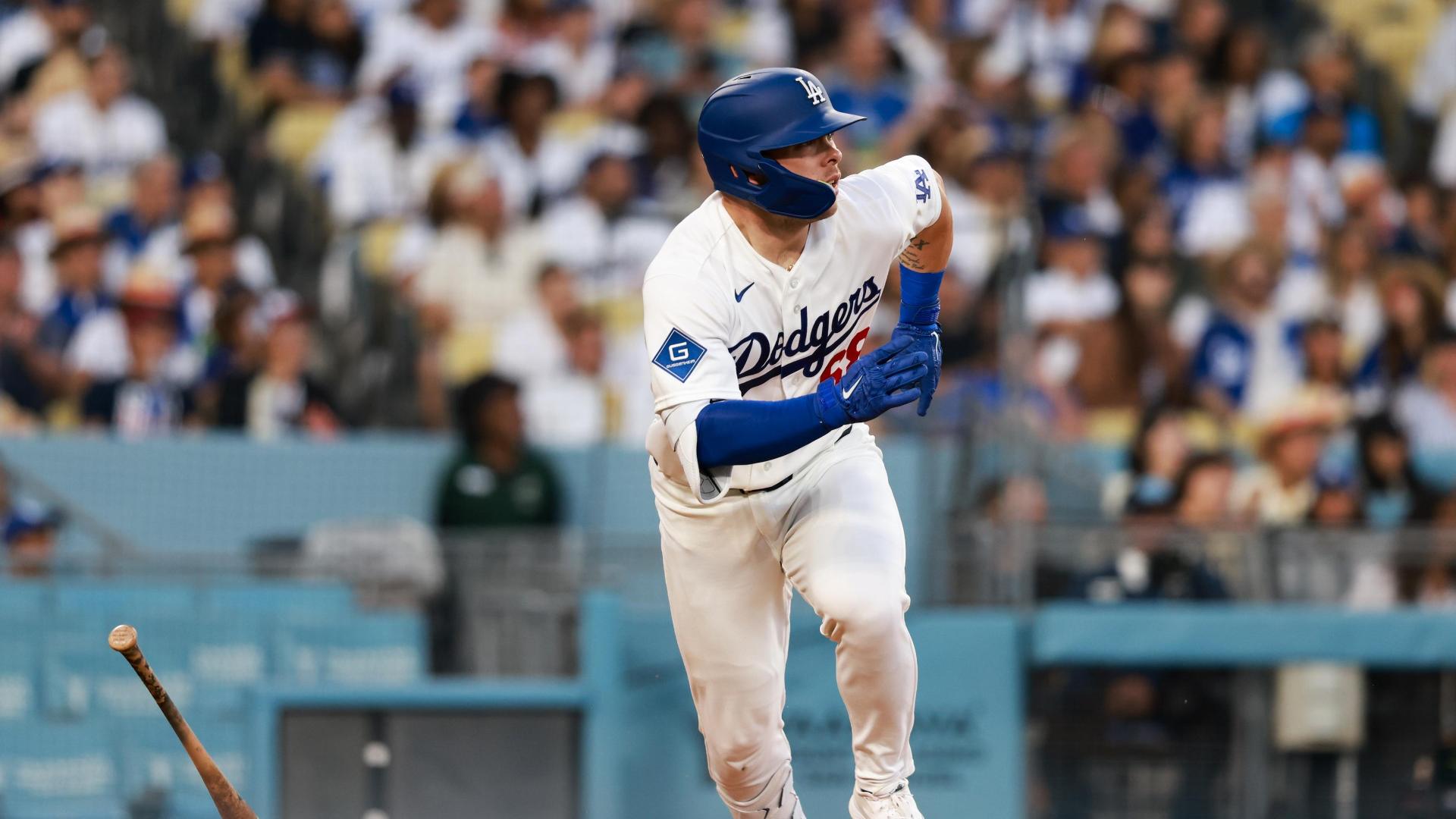
At the heart of this offensive resurgence was the consistent, disciplined hitting of Dalton Rushing and Kyle Tucker. Rushing, showing a maturity beyond his years at the plate, acted as the fulcrum for the Dodgers' lineup, finding gaps and driving the ball with an authority that signaled his team’s refusal to fold. Tucker, whose presence in the lineup has provided the Dodgers with a potent blend of power and contact, punctuated the middle innings with a series of decisive hits that kept the pressure on the Padres' defense. They were not merely playing catch-up; they were actively dominating the flow of the contest, forcing the Padres to navigate a relentless barrage of baserunners and timely, run-producing hits.As the game transitioned into its final act, the Dodgers moved from a position of offensive dominance to a comprehensive demonstration of defensive security. The highlight of the evening, and perhaps the play of the entire series, occurred in the ninth inning. As the Padres desperately sought to ignite a final rally and bridge the gap, a deep drive to center field threatened to extend their hope. In a display of athletic commitment that brought the crowd to its feet, Pah sprinted toward the warning track and executed an elite, wall-crashing catch. The play did more than just prevent a potential double; it was a psychological statement, a final, emphatic reminder that the Dodgers were not simply out-hitting their opponents, but out-hustling them at every turn.
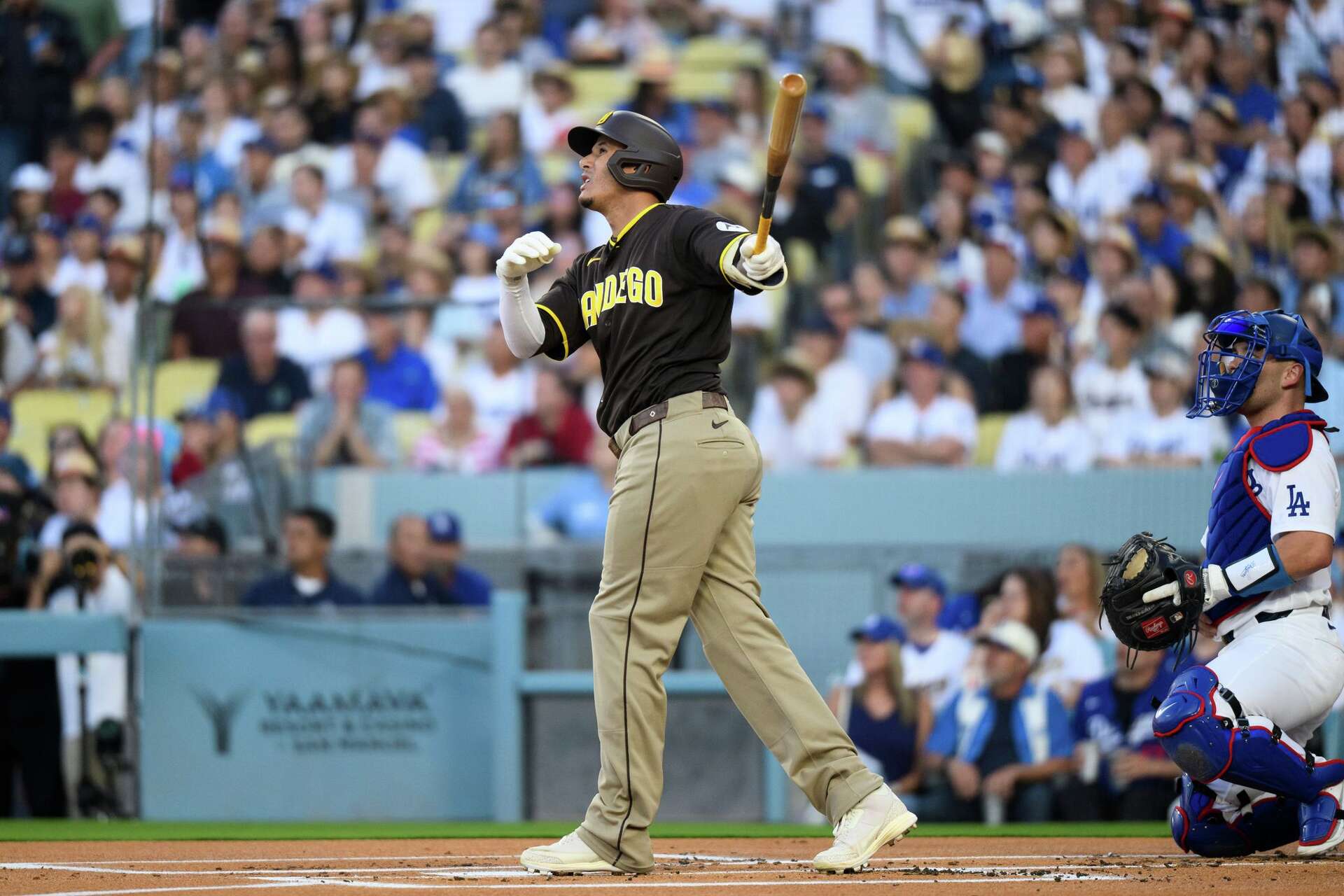
The final whistle—or in this case, the final out—confirmed a 12-7 victory for the Los Angeles Dodgers, a result that felt far more commanding than the initial 6-0 deficit suggested. To overcome such a substantial early lead is a rare feat, but to do so with the level of offensive consistency and defensive intensity displayed by the Dodgers suggests a team that has found a new, higher gear. The comeback was not a product of luck or a single fortunate error, but a calculated, transformational effort that spanned seven innings of nearly perfect execution.
For the Padres, the loss serves as a sobering reminder of the volatility of the game and the dangerous nature of a team that refuses to concede defeat. For the Dodgers, the July 2nd victory will likely be viewed as a defining moment in their 2026 campaign. It was a game that validated their depth, showcased the brilliance of their roster, and demonstrated the kind of resilience that is essential for a postseason-caliber team. As the Dodgers walked off the field under the lights of Los Angeles, the final score of 12-7 stood as a testament to their identity: a side that can survive the storm of an opponent’s best efforts, only to turn the tide and dominate the final chapter of the contest with cold, uncompromising efficiency.