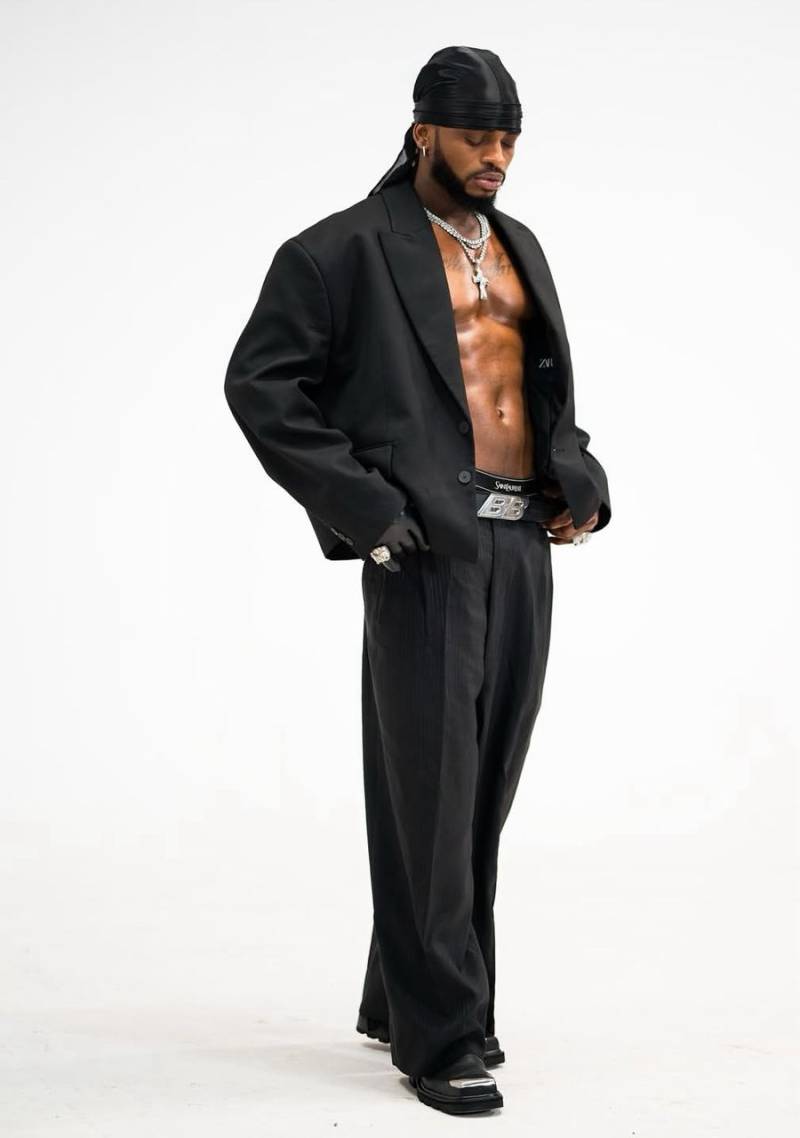
Dar es Salaam, Tanzania—On a humid evening along the palm-lined shores of Coco Beach, the crowd sways as a familiar voice glides through the speakers. “Waah!” blasts over the ocean breeze, and the arena erupts in chorus. At the center of it all stands Diamond Platnumz—his chest glistening under stage lights, smile sharp as a camera flash, voice cutting with the authority of a man who long ago stopped chasing validation and started dictating the tempo of a continent. For a generation of East Africans, Diamond (born Naseeb Abdul Juma Issack) is not merely an artist; he is a movement. A fashion icon, record executive, entrepreneur, and cultural ambassador, he has taken the once-local Bongo Flava sound of Tanzania and positioned it squarely on the global stage, reshaping how the world hears African music.
Diamond Platnumz has long transcended the boundaries of Tanzanian pop. He is not merely the face of Bongo Flava—the East African genre that braids together taarab, hip-hop, R&B, and Afrobeat—but its architect of scale. In the last decade, he has carved out a career that moves with the meticulousness of haute couture tailoring: deliberate stitches of business, celebrity, and cultural pride. His music videos—polished to cinematic sheen, drenched in color and choreography—have racked up billions of views. His Wasafi empire, spanning a record label, media outlets, and a fashion line, makes him less an entertainer and more a mogul. To step into his orbit is to understand how charisma and commerce fuse in the 21st-century African pop universe. When Alicia Keys visited Tanzania in 2022 with Swizz Beatz, one of the first people she met was Diamond Platnumz. “His energy is magnetic,” Beatz later told Billboard. “He’s one of those artists who could walk into a room in New York or Lagos or Dubai and immediately shift the atmosphere.”
Related article - Uphorial Sweatshirt
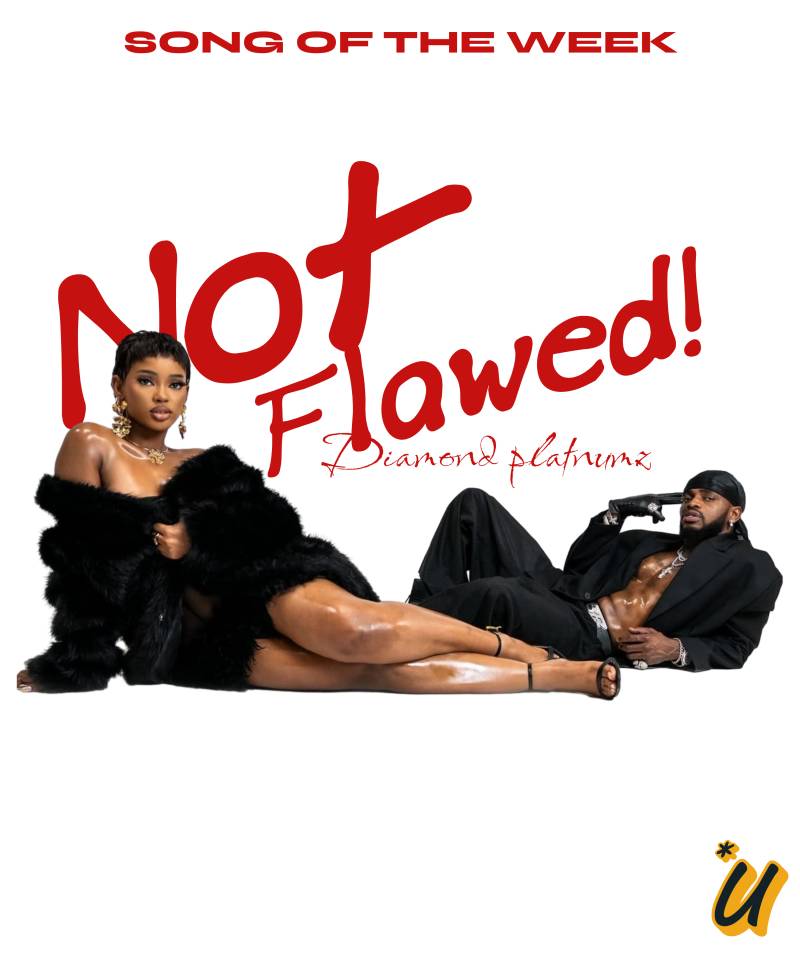
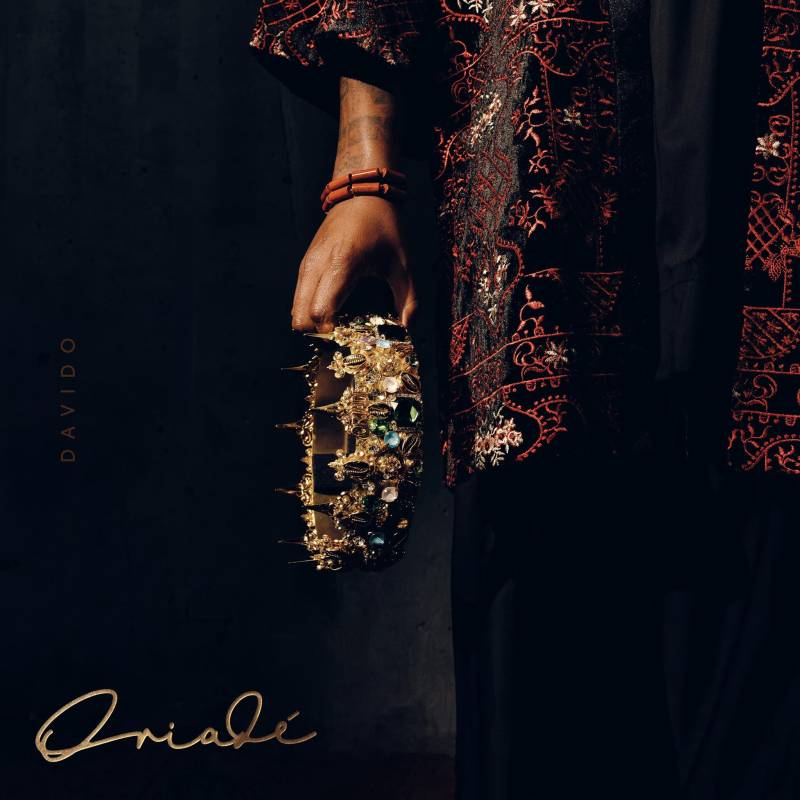
Davido has long described Diamond as “a brother and a visionary,” noting how the Tanzanian star’s discipline and marketing instincts elevated East African music beyond its borders. Meanwhile, Snoop Dogg, who shared one of Diamond’s videos on social media, called him “a true hustler.” Even within Africa, his peers speak of him as both competitor and collaborator. Burna Boy, in an interview, acknowledged, “Diamond pushed the Swahili sound in ways nobody else did. He made us listen.” To cultural critics, Diamond Platnumz represents both an evolution and a disruption. Professor Joyce Nyairo, a Kenyan cultural analyst, argues that his dominance is about more than hits. “Diamond transformed Bongo Flava from a local subculture into a pan-African export. He embodies the ambition of a region that often felt overshadowed by West Africa in the global music economy.” Yet critics also note the challenges of sustaining such dominance. “There’s a fine line between saturation and innovation,” says Nigerian journalist Joey Akan. “Diamond has built an empire, but the question is: how does East African pop evolve beyond him?”
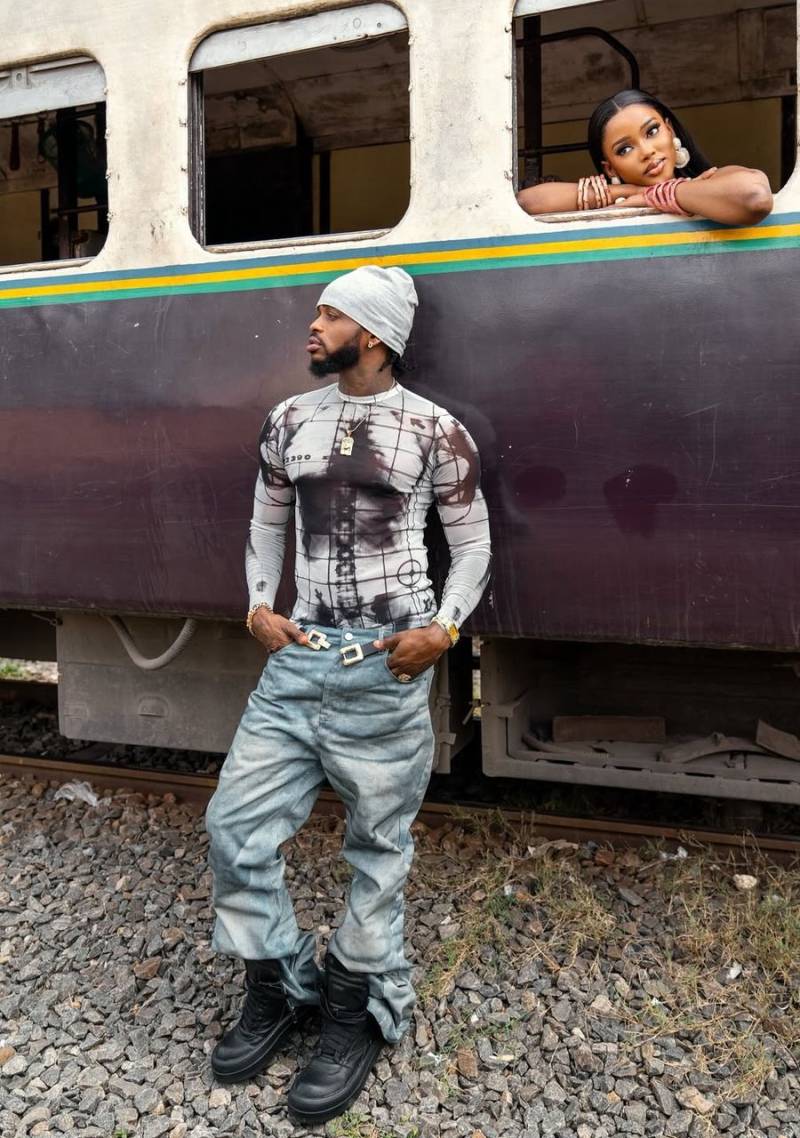
Still, few deny his impact. His YouTube channel remains one of Africa’s most subscribed, and his fashion—colorful, unapologetically flamboyant, and dripping in both streetwear and haute couture—sets regional trends. Additionally, his label, WCB, has redefined the business infrastructure for East African artists. Today, Diamond Platnumz sits at the intersection of music and empire. He has launched fragrances, fashion lines, and a TV network. He navigates seamlessly between Swahili ballads and global club bangers. And, perhaps most importantly, he has proven that an artist from Tandale—a modest neighborhood in Dar es Salaam—can shape culture across continents. At Coco Beach that evening, when Diamond finally bows out after a two-hour set, the crowd is still roaring. Teenagers waved Wasafi flags. Mothers sing along to the love songs that first made him a star. Young men in streetwear mimic his dance moves. Diamond Platnumz is no longer just a musician. He is East Africa’s crown jewel, a cultural force shimmering on the global stage—proof that Swahili pop is not only alive but destined for immortality.
Diamond embodies all of it. Fashion is part of his language. One day, he’s in sharply tailored Italian suits with loafers gleaming like wet stone; the next, he’s shirtless in beaded Maasai adornments, reminding the world of East Africa’s heritage. His Instagram feed—equal parts Versace opulence and barefoot humility—shows a man who knows exactly how to play both local griot and global superstar. Outside, dusk settles on Dar es Salaam. The ocean breeze swells, carrying with it the sound of street radios tuned to his latest single, which has already begun its orbit across the continent. In the coming weeks, he’ll jet to Paris for Fashion Week, then Dubai for a private show. For now, though, Diamond Platnumz sits serenely, a king in his own court, a man who built a global empire out of Swahili rhythms and a belief that East Africa deserved the spotlight. And perhaps that is the essence of his power—not just the ability to dazzle, but to embody an entire nation’s aspirations with the gleam of gold chains, the beat of Bongo Flava, and the conviction that Tanzanian music can—and should—reign on the world’s stage.