The human body is an intricate machine of chemical signaling, a complex network of biological responses that maintain a state of equilibrium. Central to this internal architecture is the metabolism of glucose, the primary fuel that powers every cellular process, from the beating of the heart to the firing of a neuron. In a clinical and highly revealing presentation, the Institute of Human Anatomy has dismantled the often-opaque physiological mechanisms of diabetes, offering a transformational framing of the condition not as a static diagnosis, but as a dynamic failure of cellular communication. By utilizing anatomical specimens to illustrate the body’s inner workings, the experts have moved the conversation beyond medical jargon to provide a clear, visceral understanding of how insulin serves as the ultimate signal for metabolic survival.
At the center of this mechanism sits the pancreas, specifically its beta cells, which function as the body’s internal monitoring station. These cells are responsible for the production of insulin, a hormone that acts as a key—a biological signal that unlocks the doors of the body’s cells to allow glucose to transition from the bloodstream into the intracellular space for energy production. When this mechanism is functioning correctly, it is an elegant process of efficiency and balance. However, when the signal is disrupted, the physiological consequences are catastrophic. The presentation meticulously delineates the bifurcation of diabetes into two distinct paths: Type 1, an autoimmune struggle where the immune system loses its recognition of self and systematically destroys the beta cells, leaving the body unable to manufacture the necessary insulin key; and Type 2, a multifaceted challenge where the body continues to produce insulin, but the cellular receivers become resistant to the signal.
The intelligent curation of this information allows for a deeper cultural understanding of Type 2 diabetes as a condition frequently exacerbated by the modern environment. The presentation emphasizes that the resistance characteristic of Type 2 is often driven by excess visceral fat, a biological contributor that does more than just occupy space; it actively releases inflammatory substances that interfere with insulin signaling. This is a critical point in the narrative of metabolic health, shifting the conversation away from outdated notions of blame and toward a scientific appreciation of how the body responds to the stressors of lifestyle, nutrition, and inactivity. The inflammatory nature of visceral fat fundamentally alters the internal environment, making the cells "deaf" to the insulin signal and forcing the pancreas to work overtime until it eventually fatigues.

Related article - Uphorial Shopify
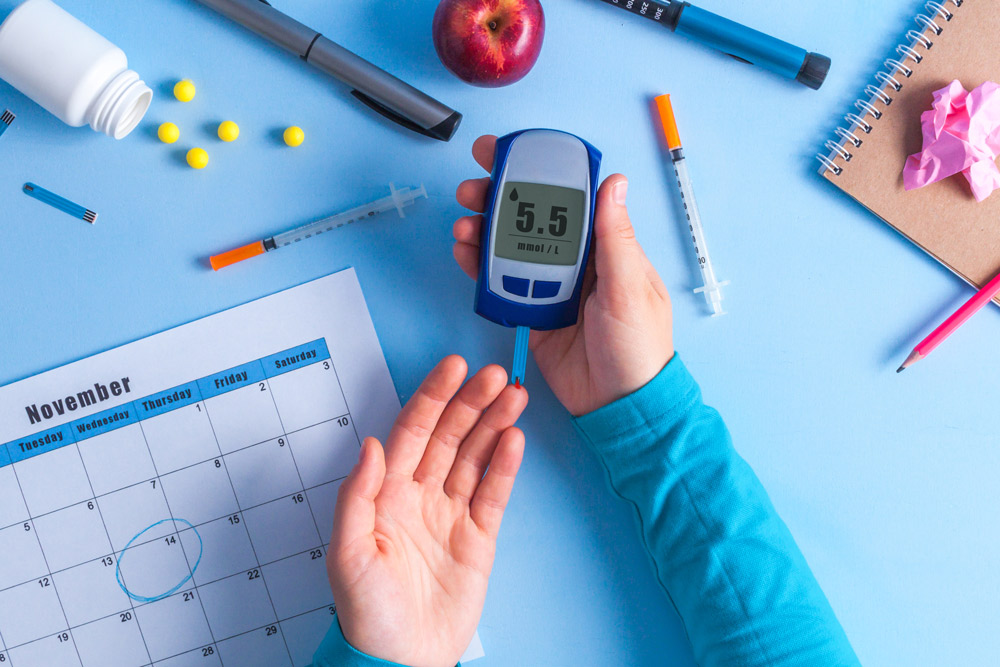
The long-term health trajectory of chronic, unmanaged high blood sugar—hyperglycemia—is presented with an unflinching emotional precision. This is not a distant, abstract health risk but a tangible destruction of the body’s infrastructure. Persistent glucose levels in the bloodstream act like a corrosive agent, systematically damaging the delicate interior lining of blood vessels and the peripheral nerves. The clinical outcomes are profound: the destruction of the vasculature of the eyes leading to potential vision loss; the impairment of the renal filtration systems resulting in kidney failure; and the insidious progression of diabetic neuropathy, where the degradation of nerves leads to a loss of sensation, particularly in the extremities. It is a sobering look at the systemic reach of metabolic dysfunction, illustrating why the maintenance of glucose homeostasis is the most critical pillar of long-term health.
However, the report is ultimately one of agency and hope. Through strategic storytelling, the presenters frame lifestyle intervention not as a punitive measure, but as a powerful, restorative tool. The focus on diet and exercise is presented as a mechanism for reclaiming the body’s natural sensitivity. When an individual engages in consistent physical activity, the muscles—the body's largest consumers of glucose—begin to process sugar independently of the insulin signal. This creates a bypass mechanism that improves insulin sensitivity, potentially allowing for the management or even the total remission of Type 2 diabetes.
This perspective fundamentally shifts the perception of diabetes from an inevitable decline to a condition that can be navigated through the intelligent application of biology and discipline. It is a reminder that the human body, despite its susceptibility to the modern, sedentary lifestyle, retains a remarkable capacity for adaptation and repair. By understanding the role of the pancreas, the nature of insulin resistance, and the inflammatory markers of visceral fat, the individual is empowered to move from a state of passive reaction to one of active management. This is the goal of health education: to transform the complex, often terrifying, biological reality of disease into a narrative that emphasizes the potential for health, the necessity of proactive care, and the enduring resilience of the human form.