MINNESOTA – In a sweeping architectural analysis released by Architectural Digest, renowned architect Michael Wyetzner has deconstructed the invisible psychological machinery that powers the modern shopping mall. The report reveals that these sprawling retail giants are far from accidental collections of stores; instead, they are precision-engineered environments designed to manipulate human navigation, distort the perception of time, and systematically transition consumers from a state of purposeful shopping to one of impulsive desire. By tracing the evolution of these spaces from 17th-century European leisure paths to the high-tech enclosures of the 21st century, Wyetzner illustrates how the very DNA of the mall is built upon a foundation of deliberate disorientation.
The origins of the "mall" are rooted in a surprising historical context, deriving its name from pall-mall, a 17th-century lawn game played in long, tree-lined alleys. Early architects sought to replicate the communal atmosphere of classical European public plazas, creating wide, pedestrian-friendly paths that encouraged social interaction. This sense of community remains a vital tool for modern designers, as it fosters a comfortable environment where visitors feel inclined to linger. However, the true transformation of the retail landscape occurred in the mid-1950s with the construction of the Southdale Center in Minnesota. Designed by Victor Gruen, Southdale was the world’s first modern enclosed mall, introducing revolutionary concepts such as the "dumbbell layout," which places major department store "anchors" at opposite ends of a long corridor to force foot traffic past smaller, specialized retailers. Gruen’s design further eroded the barriers between consumer and product by removing traditional storefront doors, creating an open, flowing environment that invited shoppers to step inside without hesitation.

Related article - Uphorial Shopify
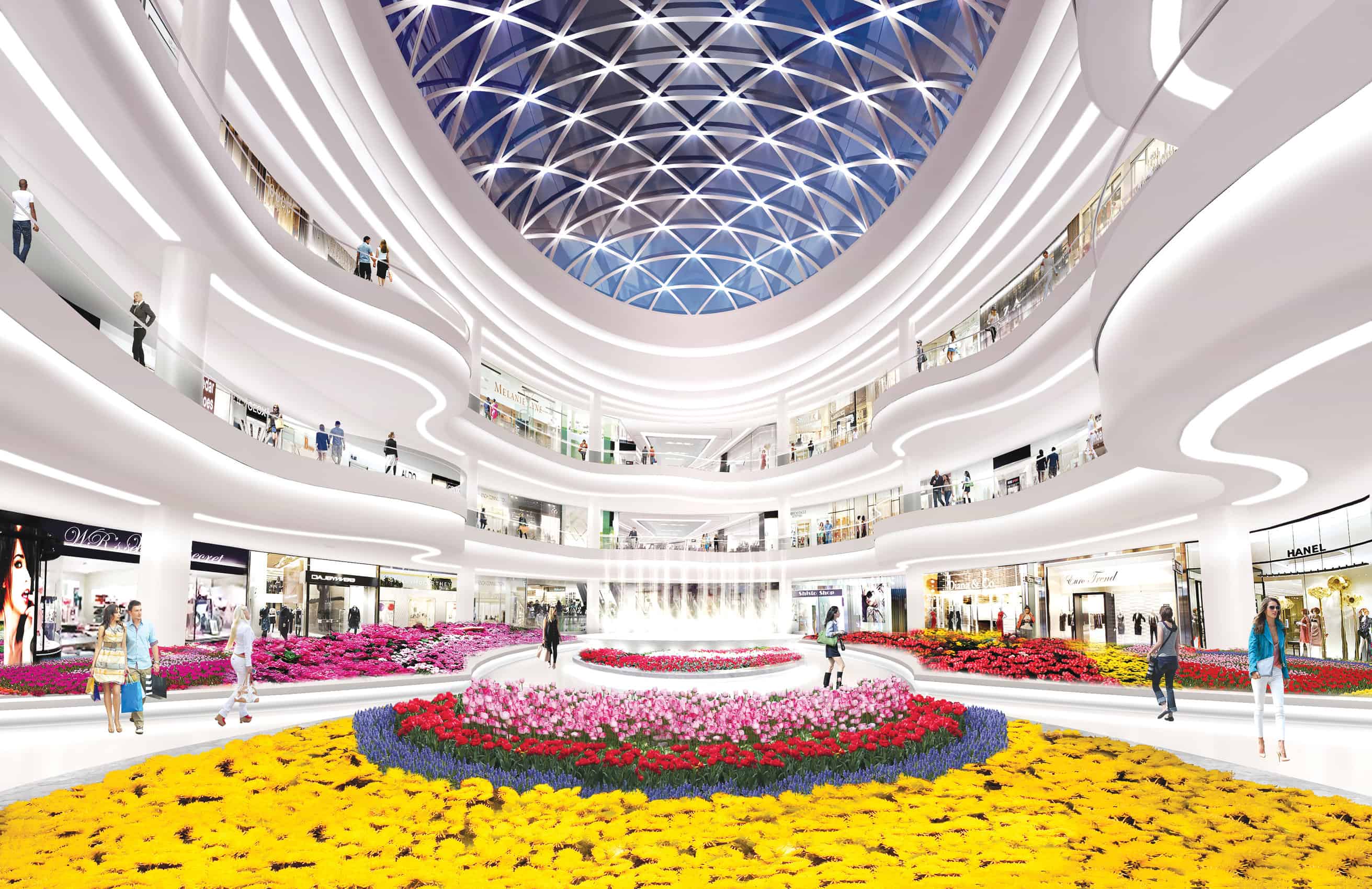
This architectural evolution gave birth to a phenomenon now known as the "Gruen Transfer." This psychological effect occurs when a shopper, initially entering a mall with a specific list of needs, becomes disoriented by the overwhelming number of choices and the pleasant, climate-controlled surroundings. In this state, the brain effectively "transfers" its focus from logical needs to emotional desires, leading to a significant increase in impulse purchases. The strategy relies on creating an environment so engaging and comfortable that the outside world—and the passage of time—begins to fade.
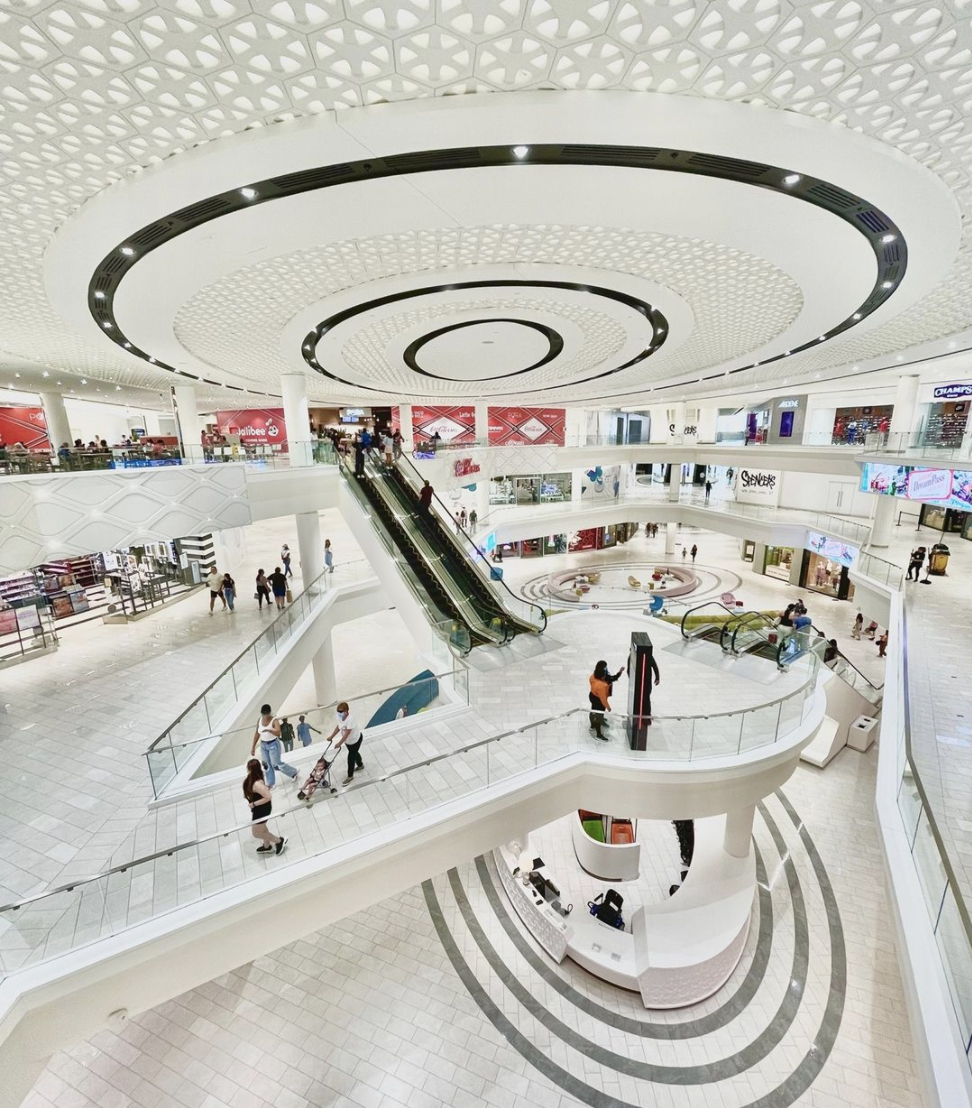
Modern examples like the Mall of America take these principles to a massive scale. Utilizing a complex Cartesian grid layout, the facility intentionally complicates navigation, ensuring that shoppers must pass an exhaustive number of storefronts to reach their destination. The design relies heavily on the strategic placement of escalators to move thousands of people effortlessly between floors, keeping them physically engaged with the retail environment even while in transit. By eliminating traditional windows and exterior views, these mega-malls ensure that the shopper’s attention remains strictly internal, focused entirely on the curated world of consumption.
Nowhere is the science of the Gruen Transfer more aggressively applied than in the luxury retail hubs of Las Vegas. At The Forum Shops at Caesar’s Palace, architects utilize a sophisticated "fake sky" ceiling that transitions through dawn, dusk, and midday light cycles, effectively distorting the visitor’s internal clock and encouraging extended stays. The layout employs curved pathways rather than straight lines, creating a sense of endless space where the exit is never immediately visible. Furthermore, these environments utilize "cluster design," grouping high-end retailers by specific demographics to capitalize on the psychological high of casino wins. By blending historical plaza aesthetics with cutting-edge behavioral psychology, these structures prove that in the world of retail architecture, every fountain, curve, and lighting choice is a calculated move to ensure the consumer stays longer and spends more.