The sweltering heat of Atlanta’s Mercedes-Benz Stadium played host to a poignant chapter in the 2026 FIFA World Cup, where the ambitions of two nations—each desperate to stave off an early tournament exit—collided in a tense, tactical standoff. For both the Czech Republic and South Africa, the Group A fixture on June 18, 2026, was more than just a match; it was a battle for relevance. Having suffered defeats in their respective opening games, the sides arrived in Georgia with their World Cup lives hanging by a thread, turning this meeting into a crucible of pressure that would either ignite their tournament dreams or signal an agonizing descent toward an early departure.
The match began with a seismic shift that threatened to turn the narrative in the Czechs' favor almost before the crowd had settled. Barely six minutes had elapsed when Michal Sadílek, latching onto a clever ball from Alexandr Sojka, drilled a low, firm strike through a crowded South African penalty area. The goal, recorded as the fastest of the 2026 tournament to that point, silenced the passionate pocket of South African supporters and appeared to provide the Czechs with the foundational platform they so desperately craved. It was a moment of tactical efficiency from coach Miroslav Koubek’s side, seemingly validating their return to the World Cup stage after a twenty-year hiatus.
Related article - Uphorial Shopify
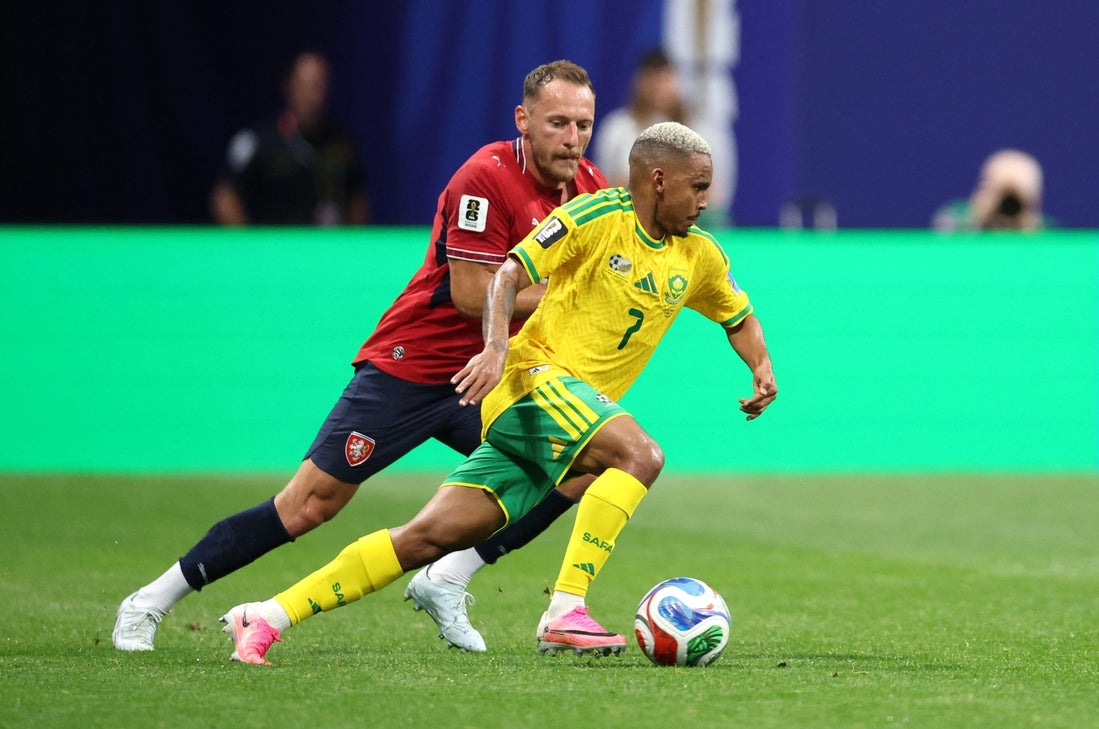
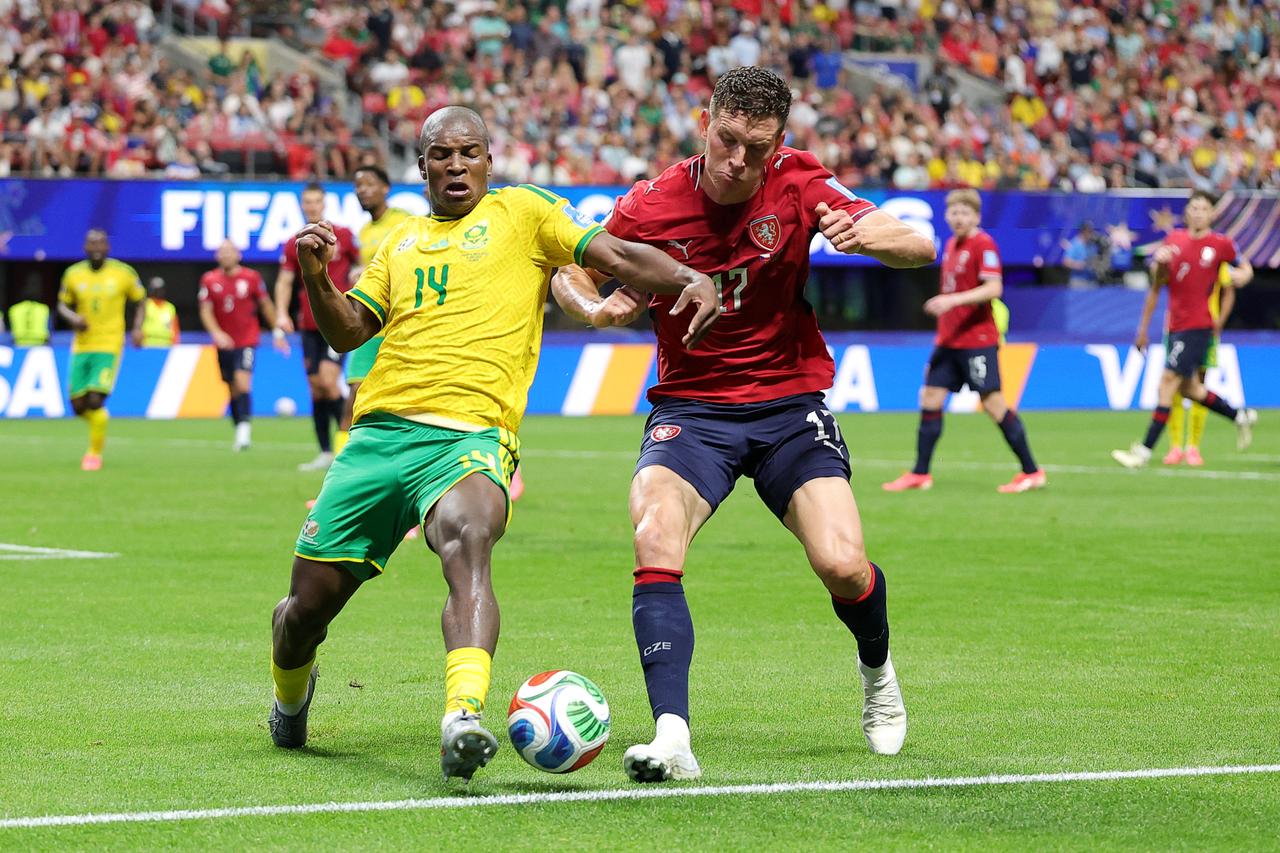
As the contest wore on, the "Bafana Bafana" of South Africa—a team historically defined by their resilience—began the long, grueling work of clawing their way back into the fixture. Despite the early setback, they refused to collapse. The Czech defense, marshaled by a disciplined backline, successfully stymied wave after wave of South African ambition for the better part of an hour. Notable efforts from the South African attack were consistently met with a stubborn Czech rearguard, including a pivotal defensive block from Ime Okon that prevented a second goal and kept his side’s flickering heartbeat steady.The turning point of the afternoon arrived in the 82nd minute, shifting the momentum in a moment of pure, high-stakes drama. A driven effort into the Czech box struck the hand of substitute Pavel Šulc. Following a swift review by the officiating team—a historic crew led by Tori Penso, marking the first time an all-female American officiating team had worked a men’s World Cup fixture—the referee pointed to the spot. Up stepped Teboho Mokoena, the South African midfielder tasked with the immense weight of his nation’s tournament hopes. With chilling composure, Mokoena sent goalkeeper Matěj Kovář the wrong way, burying the ball into the corner and triggering an eruption of joy that echoed across the Atlanta arena.
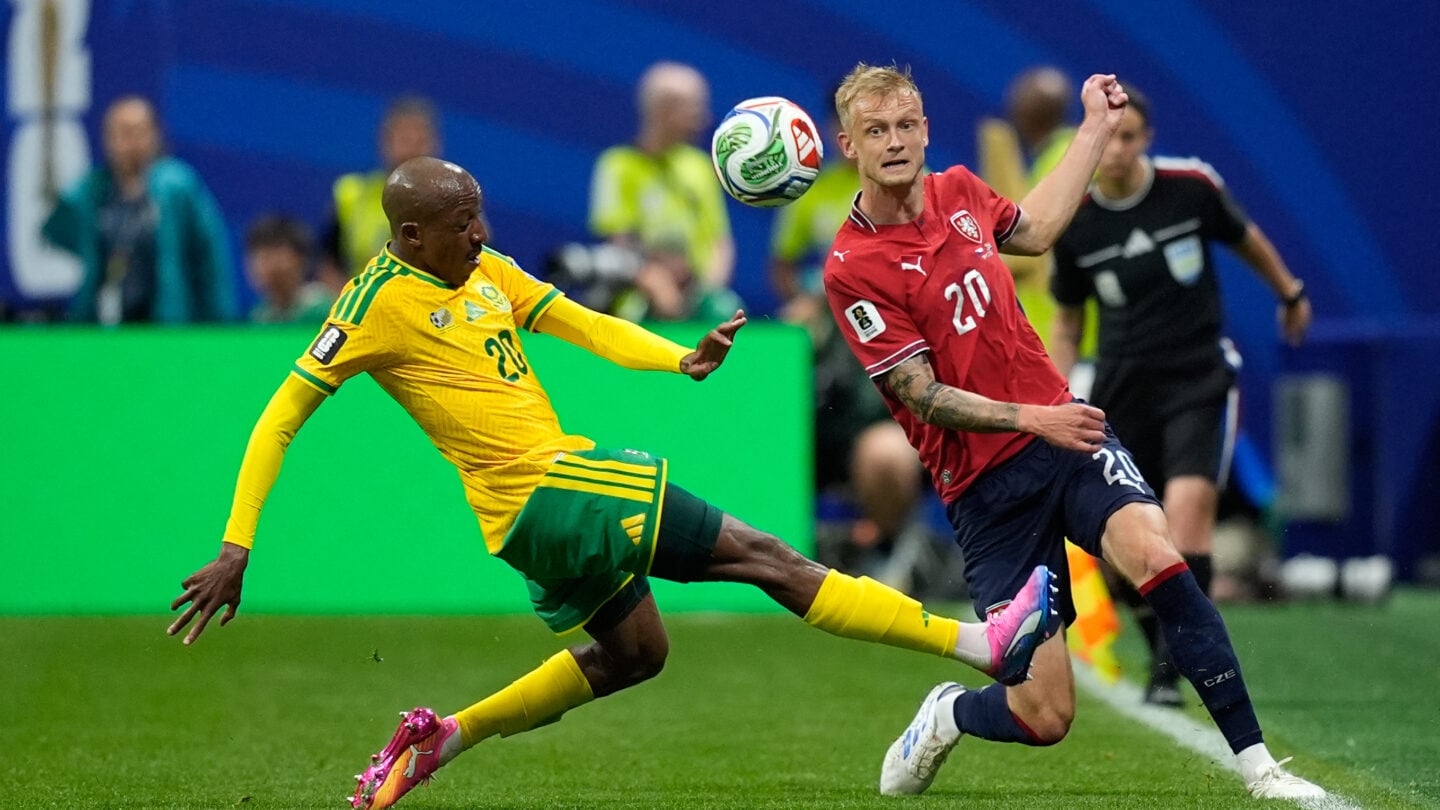
The final minutes devolved into a frantic, end-to-end scramble as both teams abandoned caution in a desperate quest for a winner. The intensity reached a fever pitch, with the Czechs pressing to reclaim the lead and South Africa standing firm to protect a precious point. When the final whistle eventually pierced the humid Atlanta air, the 1–1 draw left both sides with a solitary point, a result that offered no guarantees but kept their flickering hopes of reaching the Round of 32 alive.
As the players trudged off the pitch, the atmosphere was one of bittersweet reflection. For South Africa, the result was a triumph of perseverance—a historic first World Cup goal in sixteen years that served as a testament to their fighting spirit. For the Czechs, it was an afternoon of "what ifs," a frustrating failure to kill off the game after an electrifying start. Yet, in the grand theater of the World Cup, the draw served its purpose: it ensured that as the group stage winds toward its climax, the journey for these two teams remains, at least for a few more days, a story still being written. The road ahead remains perilous, but on this night in Georgia, the narrative had been kept alive, defined not by the cruelty of defeat, but by the stubborn, beautiful refusal to quit.