The squared circle remains one of the few places on earth where the complexities of human endurance, discipline, and ambition are stripped down to their most primal essence. In the latest showcase of professional boxing, the energy of the arena served as a kinetic testament to the sport’s enduring allure, featuring a card that ranged from the concussive power of the heavyweight division to the surgical precision of the flyweights. For the athletes involved, these bouts were not merely contests of strength; they were chapters in personal legacies written in the language of sweat, grit, and the split-second decision-making that separates victory from defeat.
The evening opened with a display of heavyweight dominance as Joshua Edwards, the undefeated contender with a reputation for ending fights prematurely, stepped into the ring to face Gary Payton. Heavyweight boxing is often described as a game of inches and ounces, where a single clean connection can alter the trajectory of a fighter’s career. Edwards proved the truth of this axiom with terrifying efficiency. Maintaining his composure while gauging the distance, he landed a precise right hand that dismantled Payton’s defense and ended the contest before it could truly gain momentum. For Edwards, the victory was more than a record-padder; it was a firm declaration of his intent to sit at the table with the elite of the division.
As the card moved into the super lightweight division, the focus shifted from sheer power to the technical orchestration of pressure. Ruslan Abdullayev entered the ring with a game plan designed to dismantle his opponent, Velasquez, from the inside out. The fight became a masterclass in rhythm and target selection as Abdullayev applied steady, methodical pressure, consistently punishing the body to lower his opponent’s guard. The eventual knockout, resulting from two well-timed drops, was the culmination of a systematic breakdown of Velasquez’s defenses. Abdullayev demonstrated that at the highest levels of the sport, true power is not just about the velocity of the punch, but the intelligence with which it is delivered.Perhaps the most visceral contest of the evening was the light heavyweight co-main event between Bunit "Beasta" Bisla and Yaya Gallardo. Boxing often rewards those who can navigate their own moments of crisis, and this bout proved to be a defining test of resilience. Bisla suffered a knockdown early in the fight—a moment that often marks the beginning of the end for a fighter’s confidence. Instead, he channeled a grit that resonated through the arena, increasing his volume and intensity in the middle and late rounds to claw his way back into contention. By the time the final bell signaled the end of the war, Bisla had secured a unanimous decision, along with the NAB light heavyweight and WBC Fecker Box titles. It was a victory forged in the fires of adversity, serving as a reminder that the character of a champion is often forged in the rounds when they are forced to fight uphill.
Related article - Uphorial Shopify

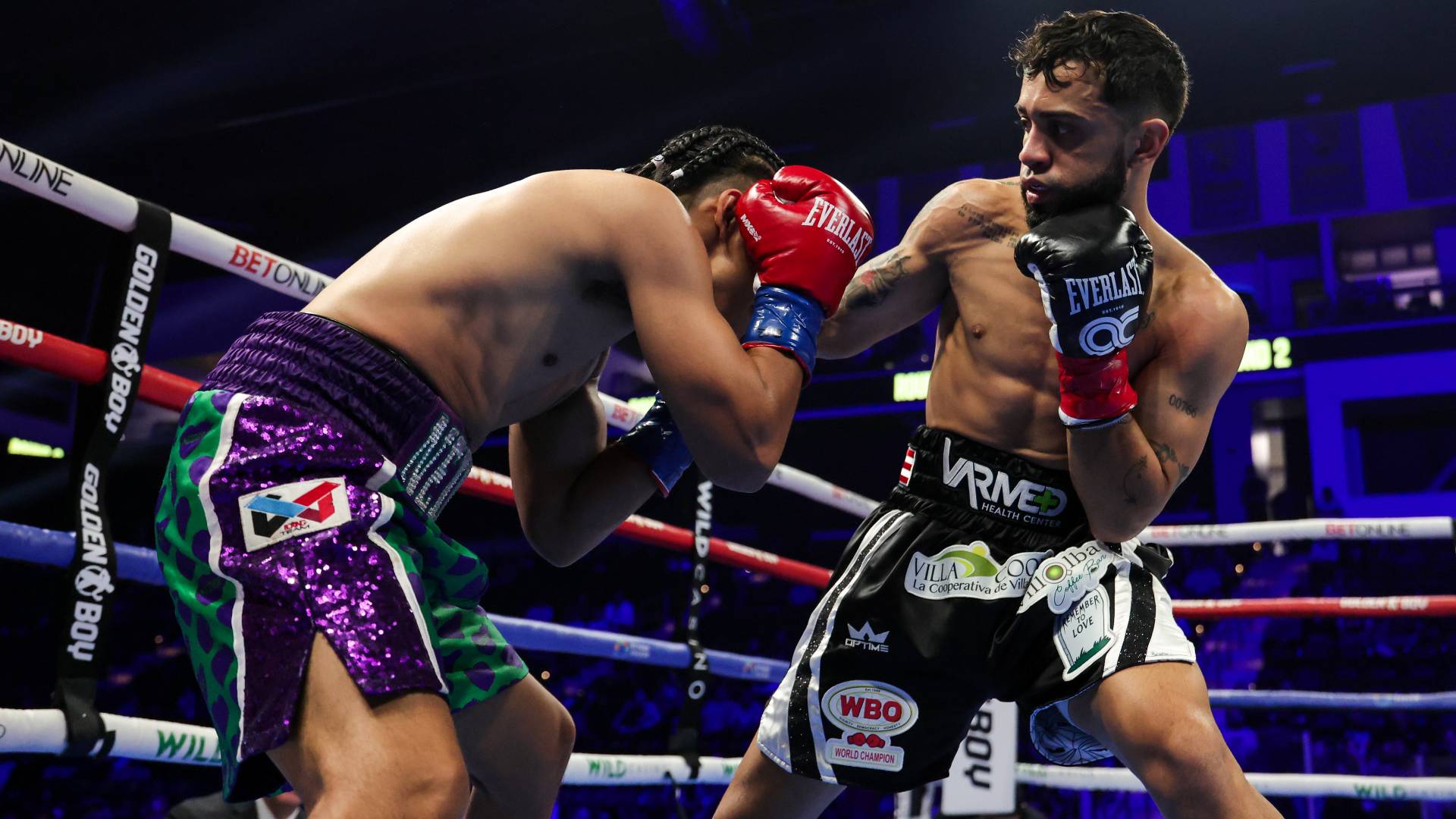
The evening reached its crescendo with the flyweight clash between Oscar Collazo and Neider Valdez, a battle for the WBO International Flyweight Championship. While the heavier weight classes are often celebrated for their devastating power, the flyweight division is a showcase of speed, reaction time, and tactical navigation. Collazo controlled the tempo from the opening bell, utilizing sharp, rapid-fire combinations to dictate the pace of the encounter. He moved with an urgency that left Valdez scrambling for a rhythm he could never quite establish. By the second round, Collazo’s pressure had become suffocating, leading to a decisive stoppage that secured him the title. It was a performance characterized by focus and execution, proving once again that in the flyweight ranks, the capacity to process information at high speeds is just as critical as the ability to land the final blow.
When the dust settled and the arena lights faded, the evening’s results painted a broader picture of the state of professional boxing in 2026. The card was a microcosm of the sport’s diverse requirements: the heavy-hitting promise of Edwards, the technical refinement of Abdullayev, the bottomless heart of Bisla, and the tactical mastery of Collazo. Each athlete, in their own way, contributed to the narrative of the night—a narrative that reinforced why, despite the technological advancements and the changing face of global sports entertainment, the raw human drama of a boxing match remains an unmatched spectacle. These were not just fights; they were displays of professional metamorphosis, where men stepped into the ring with questions surrounding their standing and stepped out with those questions answered by the decisive reality of the final result.
As the sport moves forward into the latter half of the year, the performances witnessed on this card will undoubtedly influence the rankings and the future matchmaking of these divisions. Yet, beyond the championship belts and the improved records, the value of the evening lay in the display of human potential. Each knockout, each decision, and each knockdown recovery served as a reminder that in the ring, the only thing that matters is the ability to adapt, the commitment to the craft, and the courage to engage. The fighters left the arena knowing that they had participated in something greater than themselves, a tradition of combat that continues to captivate, challenge, and inspire.