The global landscape of performance art experienced a profound, permanent paradigm shift when Cirque du Soleil released its definitive cinematic retrospective, Precision & Control. This masterfully compiled retrospective operates as far more than a simple highlight reel of acrobatic showmanship; it stands as a fierce, uncompromising aesthetic manifesto detailing the absolute outer limits of human physical and psychological capability. By executing an incredibly intelligent curation of ground-breaking performances from four of its most iconic productions—KURIOS: Cabinet of Curiosities, KOOZA, Amaluna, and TOTEM—the company strips away the whimsical, fairytale facade often associated with contemporary circus arts. In its place, the film exposes a raw, high-stakes ecosystem governed by rigid athletic discipline, mathematical precision, and an unyielding psychological warfare waged against the laws of gravity and human fear. This collection acts as a vital cultural document that completely alters the global conversation surrounding live performance, shifting the perception of these acts away from mere commercial entertainment and toward a transformative framing of absolute human autonomy, spiritual resilience, and the relentless mastery of the physical self.
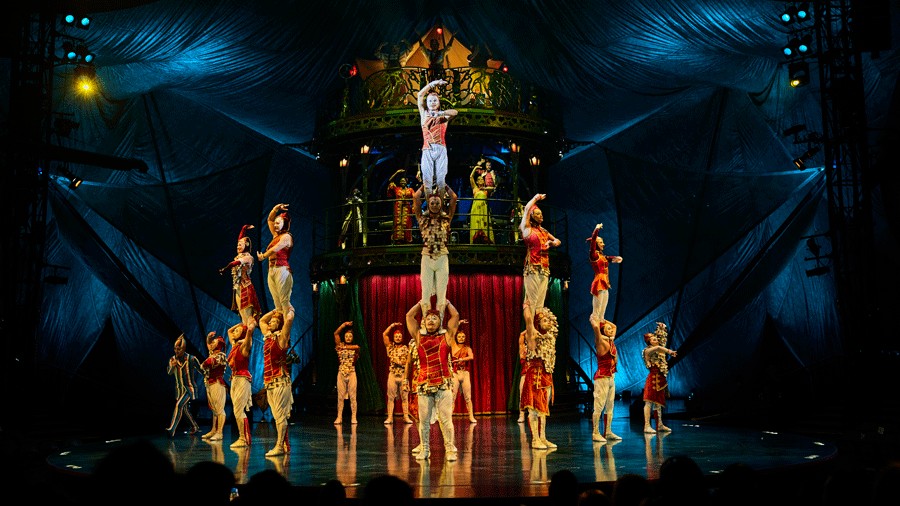
At the absolute center of this visual archive is an exceptional display of emotional precision that captures the terrifying, internal landscape of elite acrobatics. The retrospective deliberately curates sequences that highlight the fragile boundary between transcendent grace and catastrophic failure, forcing the audience to confront the intense psychological weight borne by each creator on stage. This tension is most violently manifested in the legendary Wheel of Death sequence from KOOZA. The cinematography traps viewers within the dizzying, kinetic orbit of the massive, rotating steel pendulum, where performers sprint, leap, and execute blind flips on the exterior of a churning contraption without safety nets or harnesses. The editing choices contrast this raw, adrenaline-fueled machinery against the hyper-focused, quiet intensity of the Balance Goddess act from Amaluna. In this deeply intimate sequence, an artist constructs an expansive, fragile web of interlocking palm leaf ribs using only her feet and hands, establishing a breathless, near-religious silence across the auditorium. Every micro-movement carries a profound weight, demonstrating that true athletic greatness requires a total, internal suppression of anxiety and a precise, telepathic alignment between the mind and the muscles.
Related article - Uphorial Shopify
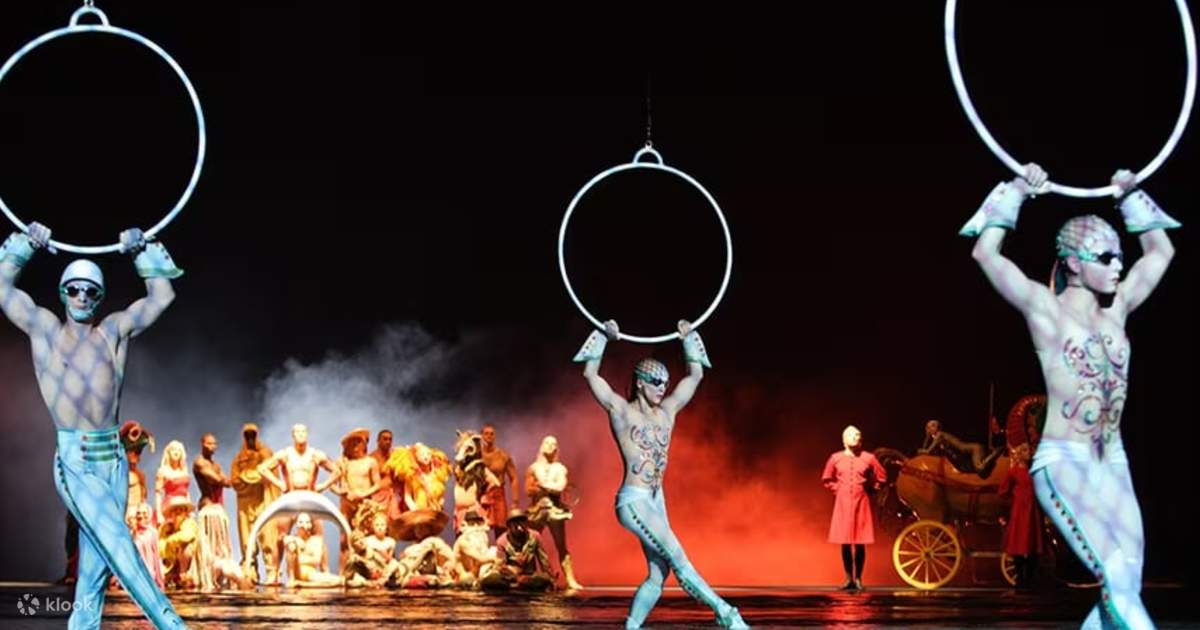
This complex narrative serves as a broader cultural critique of a modern society increasingly detached from the visceral realities of physical craftsmanship and analog risk. Precision & Control leverages a deep, systemic understanding of human history and cultural mythology, showcasing how Cirque du Soleil utilizes different historical eras to frame the evolution of physical perfection. In the segments dedicated to KURIOS, the aesthetic leans heavily into a retro-futuristic, steampunk laboratory where eccentric inventors attempt to bend time and space, utilizing the roaring, high-velocity mechanics of the Acro Net to launch performers to dizzying heights that mimic human flight. Conversely, the selections from TOTEM ground the athletic feats in a sweeping, evolutionary narrative that traces humanity's journey from its primordial, amphibious origins to its ultimate aspiration to touch the sky. By weaving these distinct cultural backdrops together, the strategic storytelling positions the acrobats not as casual stunt performers, but as modern, secular shamans who re-enact humanity's eternal, defiant struggle to transcend its own biological and environmental limitations.

The technical execution of the retrospective leverages a hyper-dynamic, cinematic aesthetic to escalate the physical tension to near-dystopian levels, transforming the proscenium arch into a living, breathing landscape of danger. The camera work consistently subverts traditional wide-angle stage perspectives, embedding the viewer directly within the rapid, fracturing orbits of the performers as they hurdle through space. High-definition slow-motion sequences capture the violent distortion of muscles under immense G-forces, the spray of sweat catching the stage lights like broken glass, and the nervous, split-second catches that occur during complex aerial exchanges. The sound design amplifies this sensory overload by manipulating the ambient noise of the crowd, stripping away the swelling orchestral score during moments of maximum peril to focus entirely on the heavy, deliberate breathing of the artists, the metallic groan of the rigging, and the sharp, rhythmic snap of safety cables, proving that inside the arena of absolute control, all external praise or distraction must be completely shut out.
Ultimately, Precision & Control operates through a transformational framing that challenges the global audience to look past the immediate aesthetic pleasure of the circus and confront their own internal boundaries regarding risk, fear, and personal dedication. It forces a radical re-evaluation of what it means to build a human legacy, suggesting that true spiritual grace and physical independence are not passive gifts, but are hard-won monuments chiseled out through a lifelong, uncompromising refusal to yield to human frailty or environmental constraints. The film’s final layers leave viewers with a chilling, insightful realization: when gravity, time, and biology dictate that you must fall, the only true victory lies in possessing the disciplined defiance required to rewrite the laws of the universe in your own image. Through its lean, high-velocity pacing and unrelenting focus on the grueling reality behind the glamour, Cirque du Soleil’s retrospective stands as an essential piece of contemporary cultural critique that doesn't just archive athletic feats—it provides a fierce, inspiring blueprint for human empowerment and the total, uncompromised mastery of the self across every arena of existence.