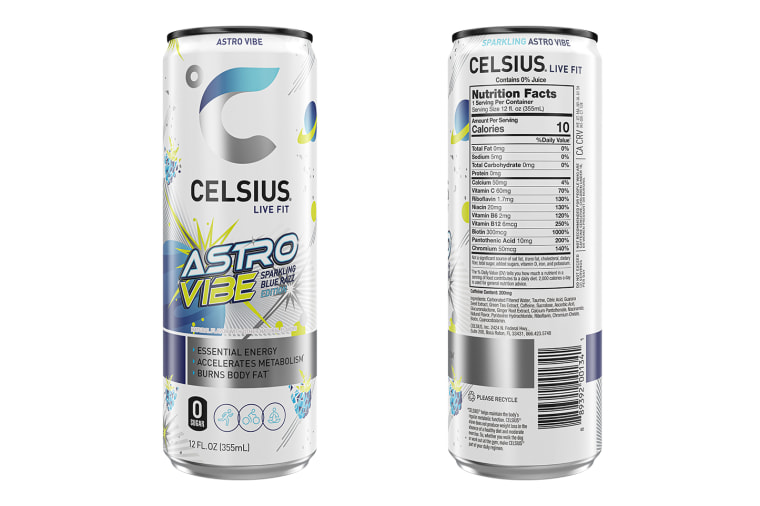
In a blow to the booming energy drink market and its legions of fitness-forward fans, Celsius Holdings, Inc., the company behind one of the most popular wellness-branded energy drinks in the U.S., has announced a voluntary recall of select Celsius Energy Drink products due to potential health risks linked to contamination. The recall—though limited to specific batches—has triggered wide consumer concern and raised broader questions about quality control in the rapidly growing functional beverage space. Celsius, long marketed as a “clean energy” drink—free from sugar, preservatives, or artificial ingredients—has enjoyed a cult-like following among athletes, wellness influencers, and everyday consumers looking for a jitter-free jolt. But that trust is now under scrutiny. According to an official statement released by the FDA and Celsius Holdings, the recall involves certain flavors and batches produced between May and July 2025, which may be contaminated with foreign material, including possible traces of plastic and/or metal particles introduced during the manufacturing process. No injuries have yet been reported, but the company stated the recall was issued “out of an abundance of caution.”
Celsius isn’t just another energy drink. It was the poster child for a healthier, functional future in the beverage industry. With endorsements from athletes like Flo Rida (an early investor) and strategic partnerships in sports and entertainment—from NBA sidelines to music festivals—Celsius carved out a premium niche. “The promise of Celsius was always that you didn’t have to compromise health for energy,” says Dr. Nia Mensah, a nutritionist and wellness commentator. “It wasn’t just a drink, it was a lifestyle signal. This recall punctures that halo.” Indeed, for a brand that has seen triple-digit growth year-over-year, and even outsold Red Bull in certain retail chains as recently as Q2 2025, the timing couldn’t be worse. Consumers are increasingly demanding transparency, not just in ingredients, but in production processes.
Related article - Uphorial Podcast

In response to the recall, Celsius has launched a dedicated recall portal and customer hotline, allowing users to check batch numbers and request replacements or refunds. The company emphasized that “most products on shelves are unaffected” and that they are “conducting an internal review of manufacturing partners and protocols.” Still, backlash has been swift, particularly on TikTok and Instagram, where wellness influencers and micro-celebs are switching out Celsius for competitors like Alani Nu, Ghost, and even classic coffee. “I used to drink Celsius every day before workouts,” said @bodybytay, a fitness influencer with over 500,000 followers. “Now? I’m switching to matcha until they earn back my trust.” This recall lands in the middle of a broader cultural reckoning. Consumers have grown more skeptical of marketing claims, especially in the health and wellness sector.
The overlap of lifestyle branding and science-backed efficacy has always been a tightrope—one Celsius has walked confidently until now. “The energy drink space has evolved from ‘party fuel’ to ‘performance tool,’” says Jared Lytle, a beverage industry analyst. “But when a brand like Celsius slips, it’s not just a product issue. It’s a narrative crisis.”Whether this recall will result in long-term damage to the Celsius brand remains to be seen. In 2022, Coca-Cola acquired a significant minority stake in the company, fueling its distribution and R&D muscle. Insiders suggest that this recall could fast-track new packaging and quality assurance investments. But brand loyalty is fragile in the digital age. And Celsius is now in the precarious position of having to re-earn its credibility not just with regulators, but with the culture that helped build it. “Celsius made us believe we could sip our way to better energy,” says Dr. Mensah. “But in the end, no brand is immune to scrutiny—especially when they’re selling health in a can.”