CANNES – The red-carpeted steps of the Palais des Festivals have always served as a barometer for global style, but the 79th Cannes Film Festival in 2026 transformed the Croisette into an uncompromising battleground of sartorial redefinition. This year's festival did not merely showcase luxury fashion; it delivered a profound cultural manifesto on the nature of visibility, aging, and artistic autonomy in an increasingly digitized world. The red carpet operated as an open-air theater of absolute fashion fearlessness, where the world's most celebrated filmmakers and actors rejected the safe, commodified styling of recent years. Instead, they leaned into a high-stakes narrative of structural drama and avant-garde subversion, demonstrating an intelligent curation of garments that blurred the boundaries between high art, personal agency, and cinematic storytelling. It was an exhibition that proved the modern red carpet is no longer just a promotional tool, but a highly strategic medium through which the global creative elite can challenge, reshape, and ultimately transform international beauty standards.
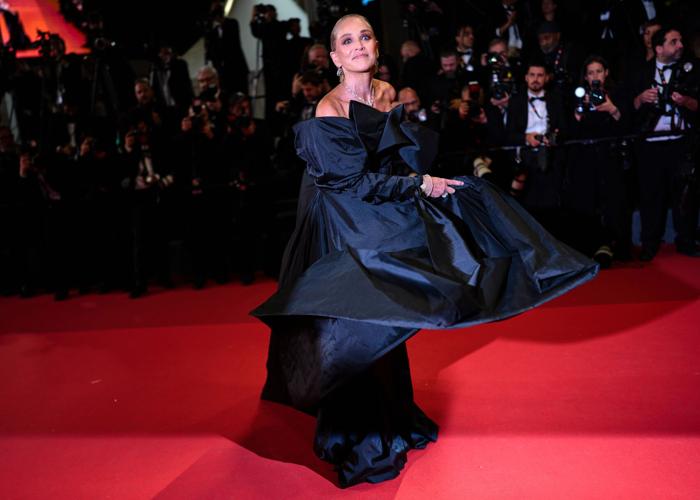
At the epicenter of this cultural shift was the official festival jury, a collective of Hollywood and international icons who used their structural prominence to set a relentless, avant-garde runway standard across the two-week event. Demi Moore delivered a masterclass in emotional precision, completely dominating global headlines by orchestrating a stunning progression of contrasting aesthetics. Moore stepped onto the Croisette in an architectural marvel by Balenciaga—a custom green taffeta halterneck gown paired with an intentionally oversized, theatrical light blue boa that evoked the golden age of cinema while maintaining a distinctly modern, razor-sharp edge. She followed this classic triumph with a radical pivot, donning a shocking-pink wide-structure gown by the underground collective Matières Fécales, a confrontational choice that spoke directly to a deep cultural understanding of fashion as an art form meant to disrupt rather than comfort. Her jury colleague, Ruth Negga, working in lockstep with creative stylist Karla Welch, matched this intensity with a custom backless column gown by Pierpaolo Piccioli that demanded one hundred and seventy-four hours of meticulous hand-craftsmanship, before transforming her aesthetic into a metallic midnight blue Prada halter gown featuring an engineered crystal bustle. Even from behind the camera, Oscar-winning director Chloé Zhao stepped into the fashion spotlight at the premiere of Paper Tiger, opting for a Schiaparelli Couture masterpiece inspired by the defensive biology of a blowfish, complete with menacingly spiked shoulders and intricate crystal detailing that framed the filmmaker as a fierce, unyielding force.
Related article - Uphorial Shopify
This seasonal narrative was further enriched by a series of profound supermodel rebirths and deliberate historical tributes that connected the contemporary runway to the ghosts of Cannes past. Bella Hadid stopped the festival in its tracks by executing a pristine, deeply personal tribute to the late style icon Jane Birkin. Hadid emerged in a white lace Schiaparelli Haute Couture gown featuring a daringly low, plunging neckline anchored by a singular black brooch, an intentional, structurally flawless recreation of Birkin’s legendary 1969 Cannes appearance. This strategic storytelling did not feel like a hollow imitation; instead, it acted as a bridge across generations, re-contextualising classic European bohemianism through the lens of modern supermodel culture. In stark, beautiful contrast to this ethereal throwback, Penélope Cruz anchored the festival’s high-stakes closing ceremonies with traditional cinematic opulence, wearing a structured black silk strapless gown by Georges Chakra that was heavily layered with delicate, hand-applied feather embroidery. This classicism was mirrored by Eva Longoria, who brought pure gold and silver liquid luxury to the carpet in a mixed-metal sequin strapless Elie Saab gown, utilizing dramatic side slashes and an expansive, sweeping train to command the physical space of the Palais.
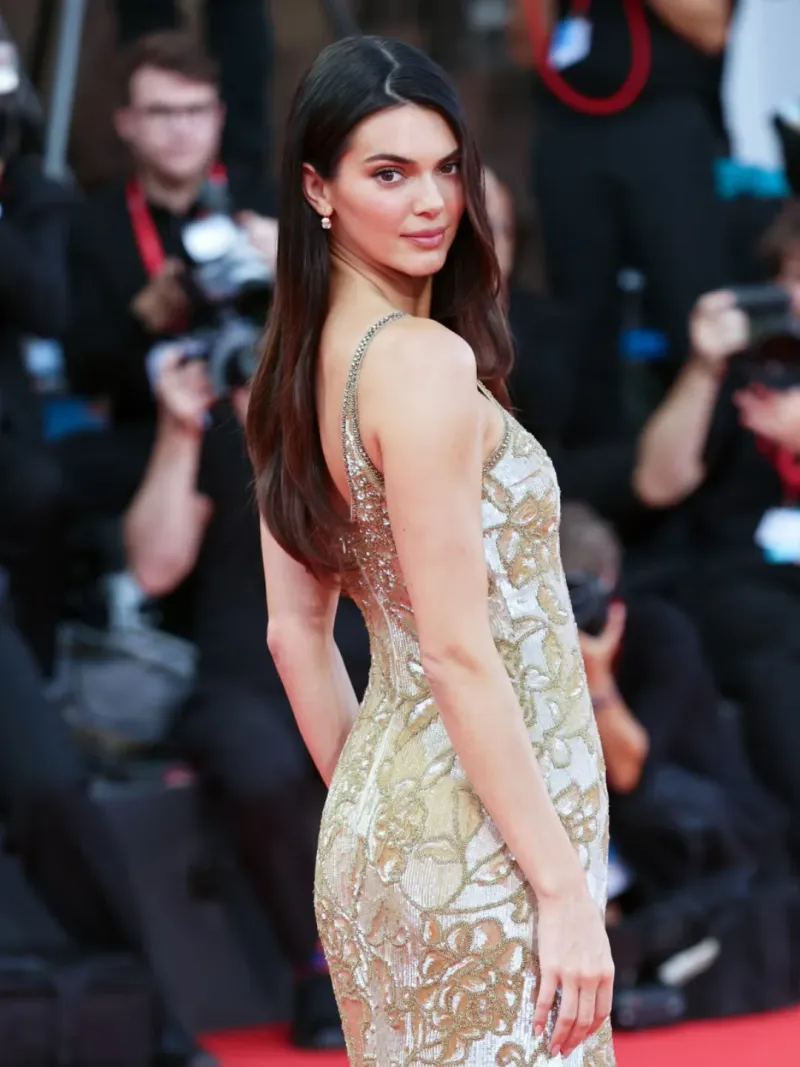
Crucially, the 2026 festival will be remembered for the systemic way its participants actively redefined red-carpet norms, subverting traditional expectations of gender, silhouette, and presentation. Cate Blanchett displayed her characteristic fearlessness by ascending the famous stairs in a floral hanging thread embroidered halter gown, designed by Sarah Burton for Givenchy’s Autumn/Winter 2026 collection, treating a high-profile movie premiere as an opportunity to showcase raw, unedited textile artistry. Simultaneously, French actress Adèle Exarchopoulos completely rejected the patriarchal mandate of the traditional evening gown, bringing a sharp, contemporary edge to the Croisette in a structured Phoebe Philo matching set that combined an open-back top with wide-leg trousers adorned with rebellious rear zippers. This spirit of personal transformation was beautifully encapsulated by supermodel Barbara Palvin, who chose the global stage of Cannes to reveal her pregnancy alongside husband Dylan Sprouse. Palvin looked radiant in a custom powder blue Miu Miu dress accented with a delicate, feathered hemline, transforming a private biological milestone into a universally celebrated moment of high-fashion grace.
The overarching legacy of the festival crystallized within several defining macro-trends that will undoubtedly influence global style for the remainder of the decade. The industry witnessed the definitive rise of "Mature Dapper" dressing, a movement spearheaded by veteran actor Stellan Skarsgård, who delivered impeccably tailored menswear from Ami Paris and Loewe, even famously loaning his gray Ami Paris suit jacket to co-star Renate Reinsve for a spontaneous, shared red-carpet moment that dismantled traditional red-carpet hierarchies. Furthermore, a courageous contingent of stars successfully defied the festival's notoriously strict "no naked dressing" mandate. Celebrities like Natasha Poly, in a sheer, floor-length Ferragamo creation, and Riley Keough, in a diaphanous, ethereal Chanel ensemble, subverted the conservative guidelines through the intelligent use of sheer georgette layering. This collective defiance proved that modern transparency is not about cheap shock value, but about reclaiming the human form through sophisticated sartorial engineering, ensuring that Cannes 2026 stands as a transformative monument to human expression.