Beijing’s streets have transformed overnight from bustling avenues into flowing rivers, as deadly flooding swept through the northern districts of China’s capital. This is not just another storm; it’s a vivid reminder of the growing vulnerability of urban landscapes in the face of intensifying climate change. The flooding has disrupted lives, submerged homes, halted transportation, and left a city struggling to reconcile its rapid development with nature’s unpredictable fury.
The rain came with a force that seemed almost sentient, turning sidewalks into streams and roads into lakes. In one moment, the city was thriving in its usual rhythm; in the next, entire neighborhoods found themselves underwater. Emergency services raced against time, rescuing stranded residents and grappling with the harsh reality that these floods are no longer isolated incidents—they are symptoms of a broader global crisis.

Related article - Uphorial Podcast
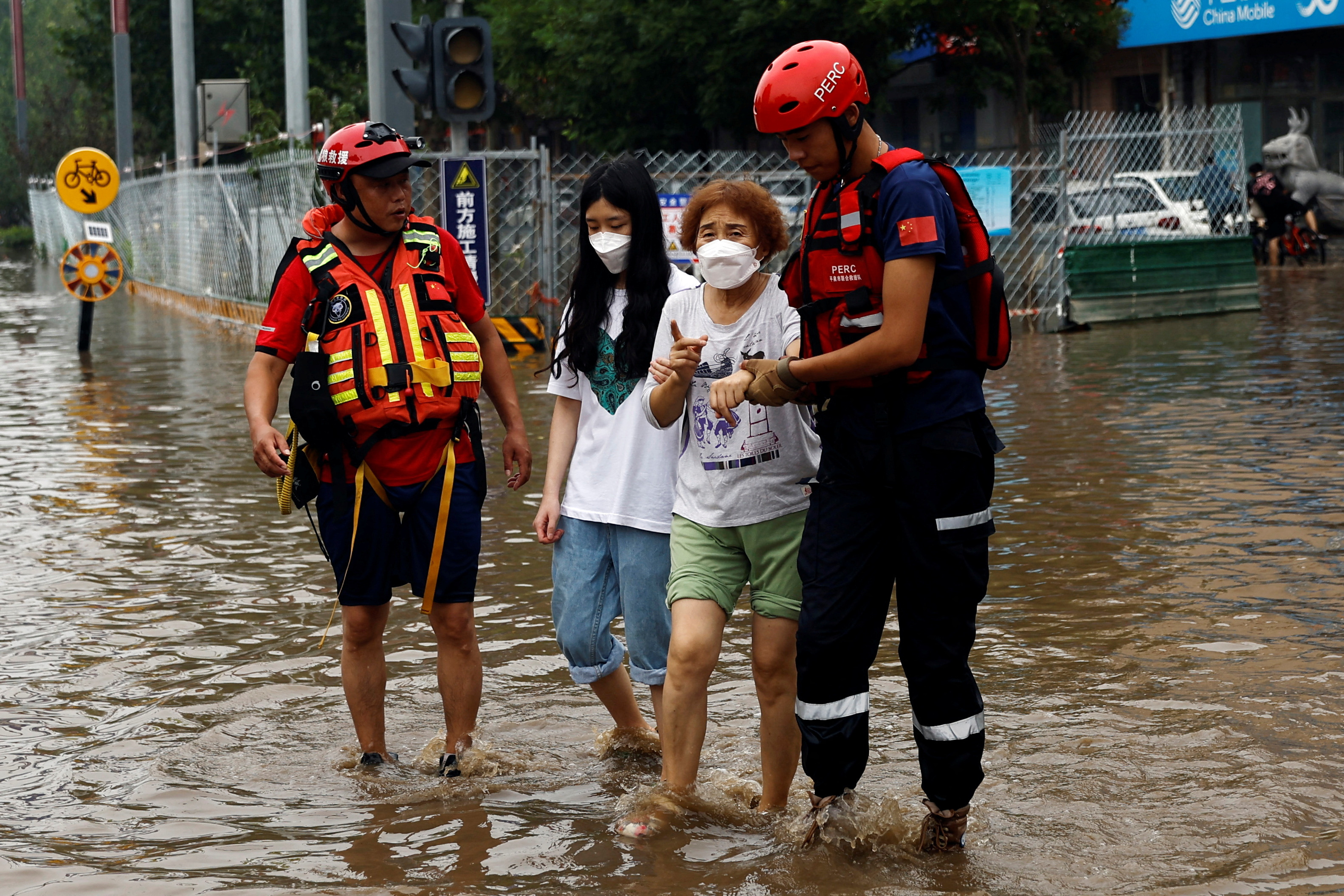
To understand the gravity of Beijing’s flooding, we must look beyond the headlines and examine the silent forces at play. Beijing is a city of nearly 22 million people, sprawling with concrete and steel, yet perched precariously amid changing weather patterns. Decades of rapid urbanization, coupled with the global rise in temperatures, have amplified the risks. The city’s infrastructure, though impressive, often strains under the weight of sudden, extreme weather events. Drainage systems designed years ago can barely cope with the sheer volume of rain now pouring from the skies. But flooding in Beijing is more than an infrastructural challenge—it’s a human story. Across the northern districts, families huddled on rooftops waiting for help, while others battled to salvage what little they could from flooded basements and ground floors. The elderly, children, and vulnerable communities face disproportionate threats, underscoring a societal fault line that disaster brutally exposes. These moments of crisis reveal the intertwined fate of nature and humanity, reminding us that no city, no matter how modern or mighty, is immune to the power of the elements.
At the heart of this unfolding disaster is a question that every metropolis must confront: How can we coexist with a climate that no longer plays by predictable rules? Beijing’s experience is a microcosm of a worldwide dilemma. From Miami’s rising seas to India’s monsoon floods, cities around the globe are grappling with how to protect millions of residents while maintaining economic growth and social stability. There is also a story of resilience and innovation amid the chaos. In Beijing, emergency responders, volunteers, and local communities mobilized swiftly, demonstrating the indomitable human spirit. Technology plays a vital role—real-time weather tracking, AI-powered early warning systems, and data-driven urban planning have all become crucial tools in managing such crises. Yet, these are only part of the solution. True resilience demands a holistic approach, integrating ecological restoration, sustainable urban design, and a commitment to reducing greenhouse gas emissions at every level.
The flooding is a stark call to action for policymakers and citizens alike. China, as one of the world’s largest carbon emitters, faces enormous pressure to balance its economic ambitions with environmental stewardship. Recent pledges to reach carbon neutrality by 2060 must be matched by immediate measures to enhance climate adaptation and infrastructure resilience. Beijing’s floods highlight the urgency—not just for China, but for the entire planet—to rethink how cities are built and how communities prepare for the future. As the waters recede, the scars left behind will take longer to heal, both physically in the damaged buildings and emotionally in the memories of those affected. But these challenges can become catalysts for change. By embracing a future where urban growth aligns with ecological limits and social equity, Beijing—and cities worldwide—can transform vulnerability into strength. In this unfolding story of destruction and determination, the floods are more than a natural disaster. They are a narrative of a city and a world at a crossroads, where the decisions made today will echo for generations. Beijing’s battle with the rising waters is a mirror reflecting our shared responsibility to protect not only our homes but the planet that sustains us all.
Latest Update: As of July 2025, Beijing authorities have reported over 10,000 displaced residents, with emergency shelters set up across the city. Recovery efforts continue amid warnings from meteorologists of more heavy rainfall in the coming weeks, emphasizing the need for sustained vigilance and long-term infrastructure investment.