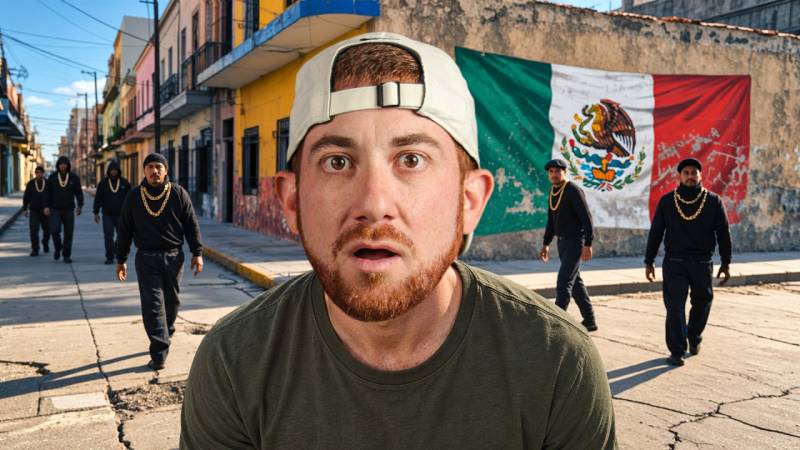
REYNOSA - The U.S.-Mexico border is often reduced to a polarizing political abstraction in the media, a line on a map that serves as a proxy for ideological battles. However, beyond the rhetoric lies a vast, complex, and perpetually evolving operational landscape—a world of sophisticated technology, high-stakes maritime pursuit, and the constant, grinding pressure of logistics. In his recent documentary feature, creator Steven Ndukwu steps away from the noise to provide an intimate look at the infrastructure of U.S. Customs and Border Protection (CBP), revealing the intricate, often invisible machinery that governs one of the world's most dynamic frontiers.
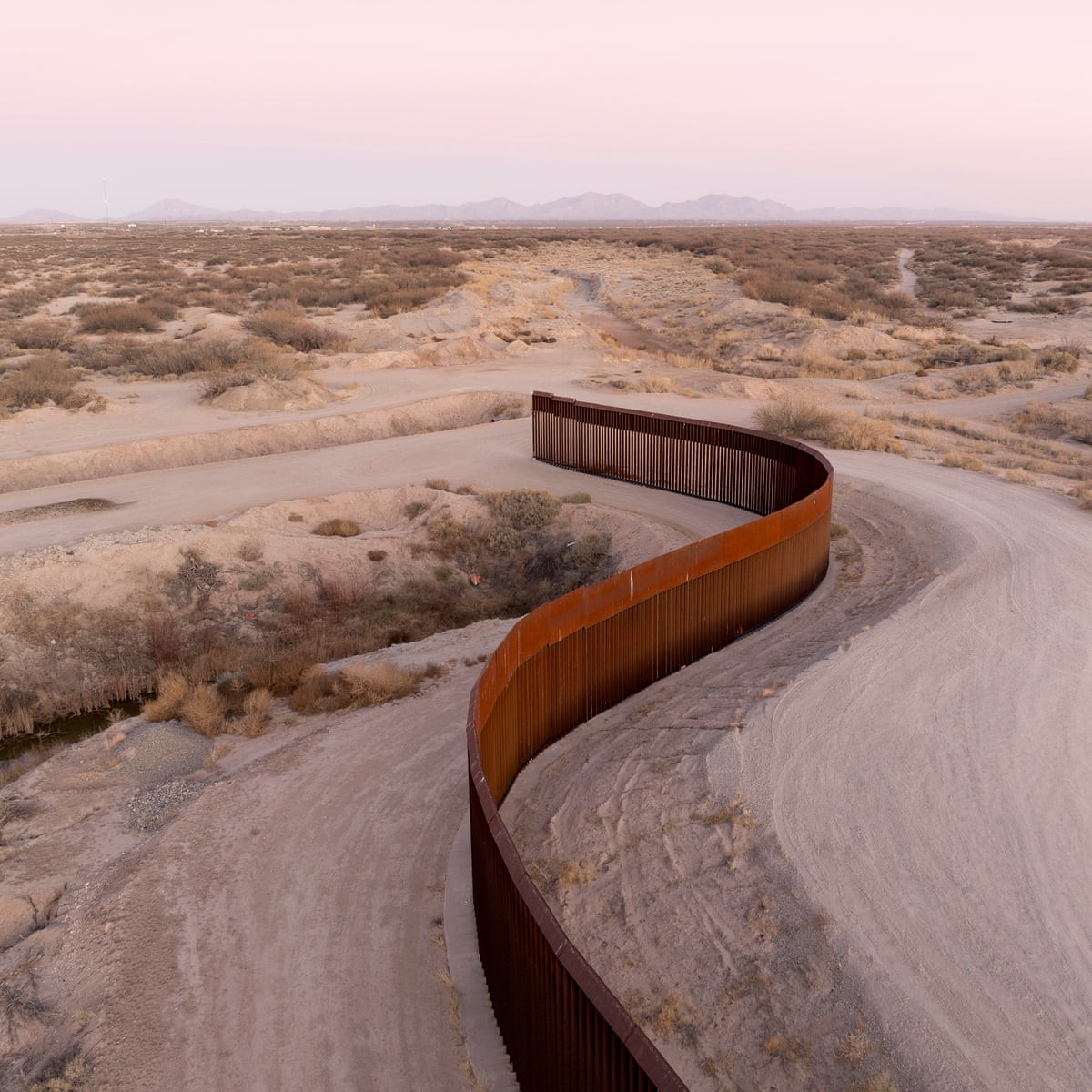
The journey begins in the stark, high-desert landscape of Nogales, Arizona. Here, the border is defined by a multi-layered security system that represents the front line of modern surveillance. Ndukwu examines the imposing physical presence of the border wall, but more importantly, he explores the unseen technological web that operates in its shadow. Motion sensors embedded in the terrain and a network of AI-driven surveillance towers act as the eyes of the agency, granting agents unprecedented situational awareness. These systems are designed to detect movement in the most remote reaches of the desert, transforming the border into a responsive, digital grid that allows for real-time deployment of personnel. It is a sterile, high-tech approach to an ancient problem, yet it highlights the sheer scale of the challenge in monitoring an environment where every second counts.
Related article - Uphorial Shopify
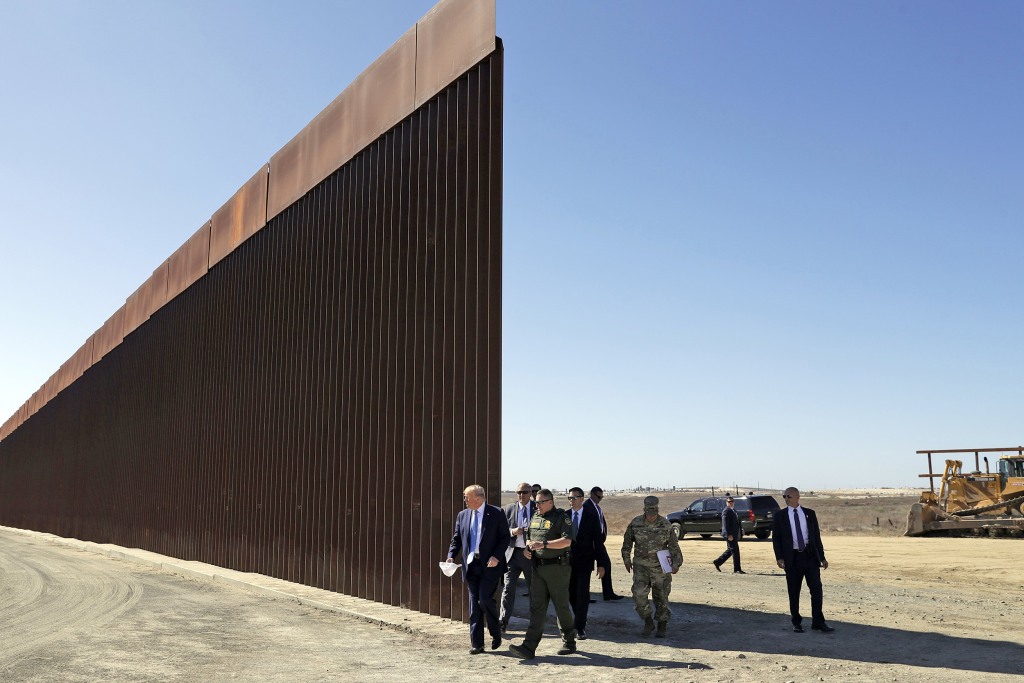
Shifting to the Pacific coast in San Diego, California, the narrative takes to the water, where the mission changes from land-based monitoring to high-speed tactical pursuit. Ndukwu joins the CBP Air and Marine Operations Unit, witnessing a demonstration that underscores the inherent danger of maritime smuggling. Out on the open water, the stakes are not just about security; they are about human life. The segment highlights the Coast Guard’s dual mandate, as they are frequently called upon to launch critical search and rescue missions for migrants stranded in treacherous conditions. The sight of these operations serves as a sobering reminder that for many, the desperation of the journey leads to life-or-death scenarios on the high seas, where the line between law enforcement and humanitarian aid becomes inextricably blurred.Beneath the surface of this tactical activity lies a darker, more clandestine reality. The documentary peels back the layers of the border crisis to expose the sophisticated, subterranean networks operated by transnational cartels. These organizations utilize elaborate, cross-border tunnels to facilitate the flow of narcotics, operating with a level of engineering and resources that frequently rivals small-scale infrastructure projects. The work of the Department of Homeland Security in identifying and dismantling these tunnels is a game of constant technological cat-and-mouse. Agents are tasked with detecting anomalies in the earth itself, utilizing ground-penetrating radar and intelligence-led investigations to disrupt the criminal conduits that sustain the multi-billion dollar drug trade.


The focus then turns to the interior, where the realities of detection manifest at the I-19 checkpoint. Here, the technological is balanced by the biological. Ndukwu observes the K9 units, which remain an indispensable component of the border mission. The demonstration of these trained detection dogs—their ability to identify hidden contraband or human presence in vehicles that have bypassed primary screening—is a powerful illustration of instinct and training working in concert. It is a reminder that, for all the advancements in AI and sensors, the most reliable tool in the agent’s arsenal is still the sensory capability of a dog, a vestige of traditional policing that remains vital in an increasingly digital security environment.The narrative reaches its most profound moment when it confronts the human element. The documentary does not ignore the underlying drivers of illegal migration, acknowledging the economic and social pressures that force families to embark on these perilous journeys. Yet, it simultaneously highlights the massive, often overlooked reality of the border as a conduit for legitimate human and commercial movement. At ports like San Ysidro, one of the busiest land border crossings in the world, the volume of trade, tourism, and daily commuting is staggering. This creates an existential tension for CBP agents: they are tasked with the contradictory mission of facilitating the seamless, high-speed flow of global commerce while maintaining the rigid, security-first posture required to prevent illegal entry and the smuggling of illicit goods.

This is the central paradox of the border. It is a space defined by both extreme openness and extreme restriction, a threshold where the world’s two largest economies meet and where the hopes of individuals collide with the requirements of state security. Ndukwu’s investigation serves as a transformational framing, moving the viewer beyond the binary of "open" versus "closed" borders. Instead, he presents a system that is in a constant state of adjustment, struggling to manage a reality that is far more fluid than any single policy could accommodate.As the documentary concludes, it leaves the audience with a clearer understanding of the daily, grinding reality faced by those on the front lines. The agents of the CBP are not just enforcers of policy; they are technicians of a volatile system, balancing the high-tech with the physical, and the tactical with the humanitarian. It is a job defined by difficult trade-offs and perpetual scrutiny. By humanizing the process and detailing the operational challenges, Ndukwu captures the essence of the border not as a static line, but as a living, breathing interface that reflects the complexity of the global age. It is a frontier that will continue to challenge the ingenuity of those who monitor it and the humanity of those who attempt to cross it, remaining the ultimate testing ground for our capacity to balance security, commerce, and empathy.