The critical discussion by Aproko Doctor issues a sobering warning: for many women, the most dangerous health issues often operate in stealth, presenting with "no pain, no warning, just silence". The consequences of ignoring subtle complaints can be fatal, illustrated by the tragic case of a woman who, despite occasional vague feelings of being unwell—which may have been ignored or treated superficially with antibiotics—died after cancer had spread beyond remedy. Women must recognize that regular health screening is not a punitive measure but a necessary defense against diseases that can be caught early, saving not only lives but also preventing immense financial and emotional hardship. Prevention, as emphasized throughout the discussion, is definitely better than cure.
Screening should begin early, establishing habits of proactive care. Women aged 21 and older should initiate cervical cancer screening with a Pap smear.
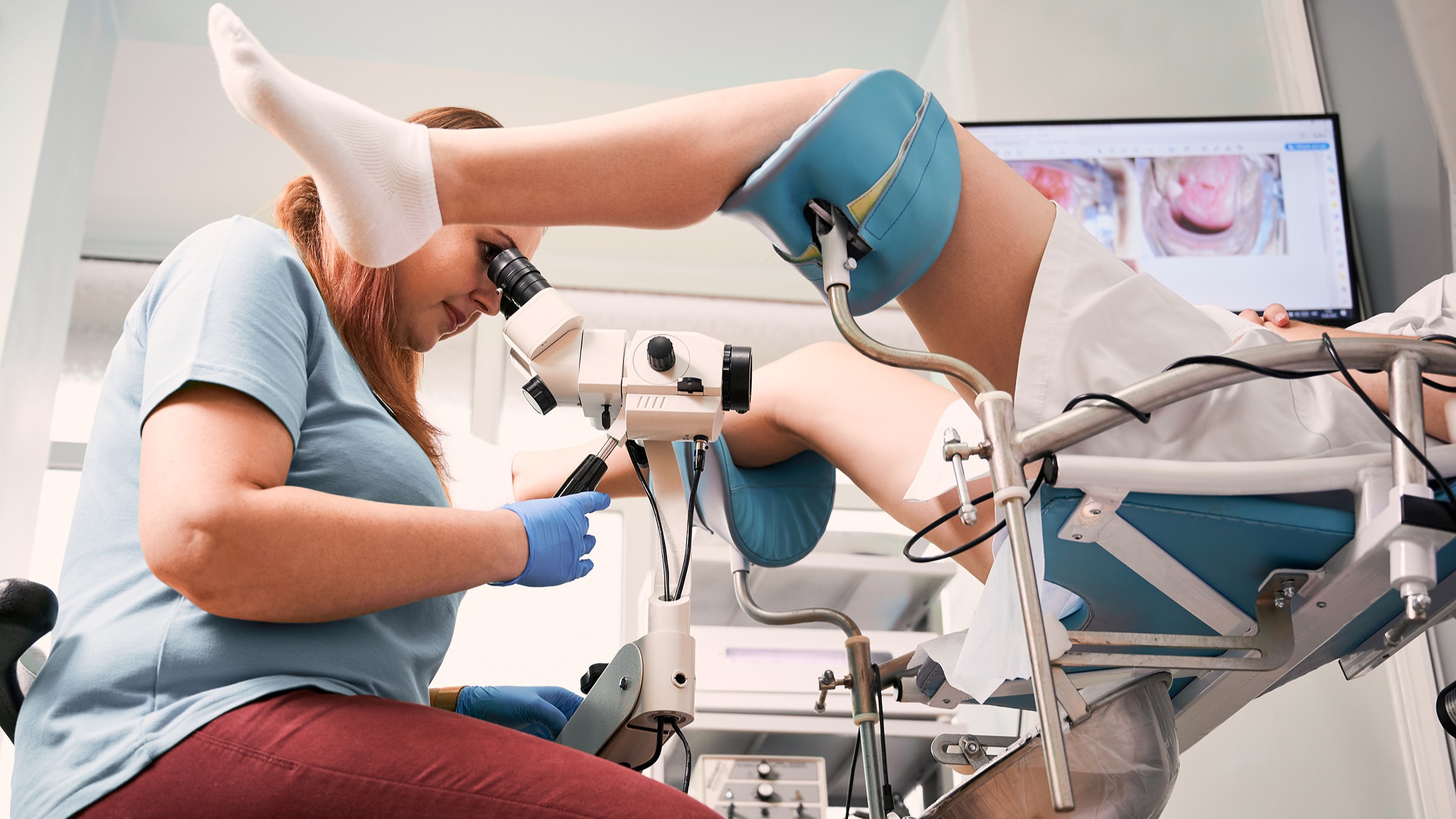
This test requires the use of a speculum to open the area for cell collection—a tool acknowledged to be uncomfortable or painful, though essential until gentler research advances are made. From age 30 up to 65, women should incorporate the HPV DNA test, which identifies the virus responsible for most cervical cancers and is quick and non-painful. Furthermore, anyone who is sexually active should undergo frequent STI screening for infections such as chlamydia, syphilis, gonorrhea, HIV, and hepatitis. Relying on trust alone is deemed insufficient because STIs can be dangerous, silent killers. Early testing for these infections allows for rapid treatment, protecting both the individual and their partner.
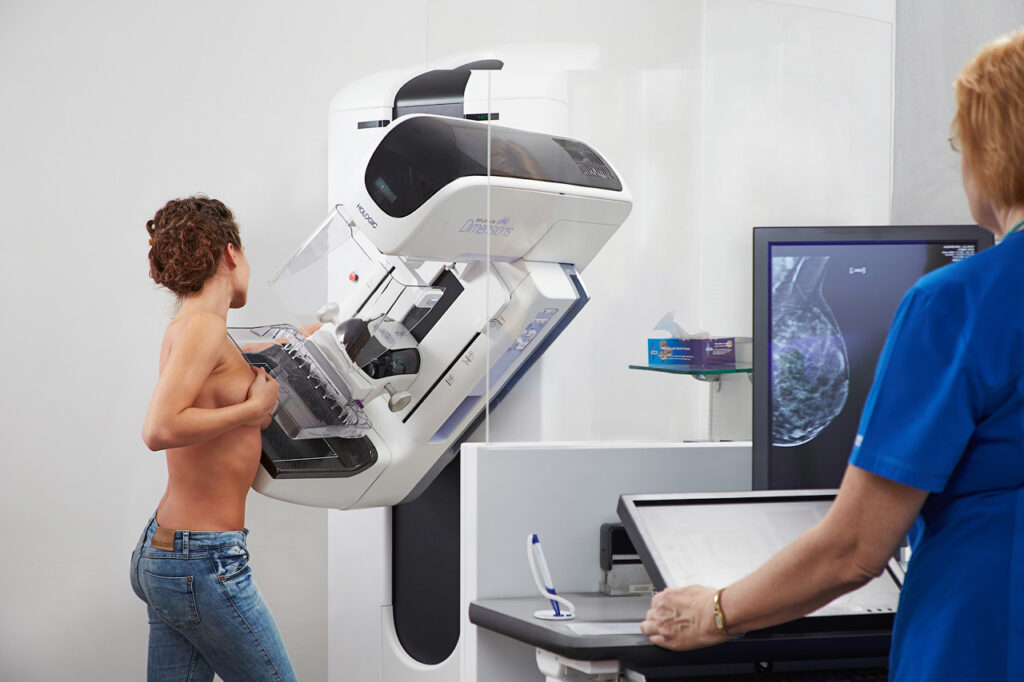
As women approach the age of 40, specific cancer screenings become critical. Breast cancer screening should commence with a mammogram every one to two years. This procedure involves placing the breast in a machine for an X-ray to detect internal abnormalities. Although the test is sometimes described as uncomfortable, the 20 minutes spent testing is presented as a far better choice than six months of chemotherapy. For those with a family history of breast cancer, screening should begin even earlier.

Related article - Uphorial Radio
Related article - Uphorial Sweatshirt
Simultaneously, regular monitoring of metabolic health is essential for all adults, regardless of age. Blood sugar tests can be done using devices that continuously monitor or require a finger prick. Abnormally high or low levels indicate the need for a physician consultation. Crucially, blood pressure checks are highlighted as among the easiest and most vital tests, easily performed at home or in a pharmacy. High blood pressure is particularly insidious because it often presents no initial symptoms while silently damaging key organs, including the heart, brain, kidneys, and eyes. Those with high-stress jobs are strongly urged to check frequently, dismissing the myth that a headache is the primary symptom. Starting around age 40—or even 30 if an individual is obese, maintains an unhealthy diet, or has a family history—cholesterol tests are necessary to monitor fat levels. Excess "bad" cholesterol can cause artery blockage, leading to serious issues like stroke, heart attack, or leg problems.
The rise of colon cancer in younger individuals is noted, prompting the recommendation for screening to start in Nigeria at age 30. The benefit of this test is clear: if a small polyp is found, it can be removed immediately, preventing its spread. Skipping this step can lead to situations where patients are borrowing money and selling property to afford complex care later. For those with a history of smoking, shisha use, or frequent exposure to secondhand smoke, lung cancer screening is advised. A more technical test, the bone density test (DEXA scan), checks bone strength to prevent fractures and osteoporosis and is typically recommended starting at age 50. However, those in menopause, those with small body frames, or those on long-term steroid use should start earlier. A critical preventative measure against bone loss is lifting weights, which stresses the bones and encourages them to remain thick.
Finally, health checks must extend to the sensory and external systems. Individuals should visit a dermatologist for any unusual spots or moles, as these could signal serious conditions like melanoma (skin cancer), which a beauty salon cannot resolve. Similarly, checking the eyes and ears is vital. The way one sees affects everything from driving to work, and eye issues can sometimes be traced back to other health problems, such as a brain tumor. Hearing checks are also necessary, especially since difficulties may be caused by damage from earphones and may be mistaken for stubbornness.
Instead of focusing on trivial priorities, women are encouraged to make screenings a positive habit, perhaps giving them as an annual birthday gift to ensure preparedness for the coming year. Any woman confused about which tests are needed should consult a doctor, as health information is available to guide them.