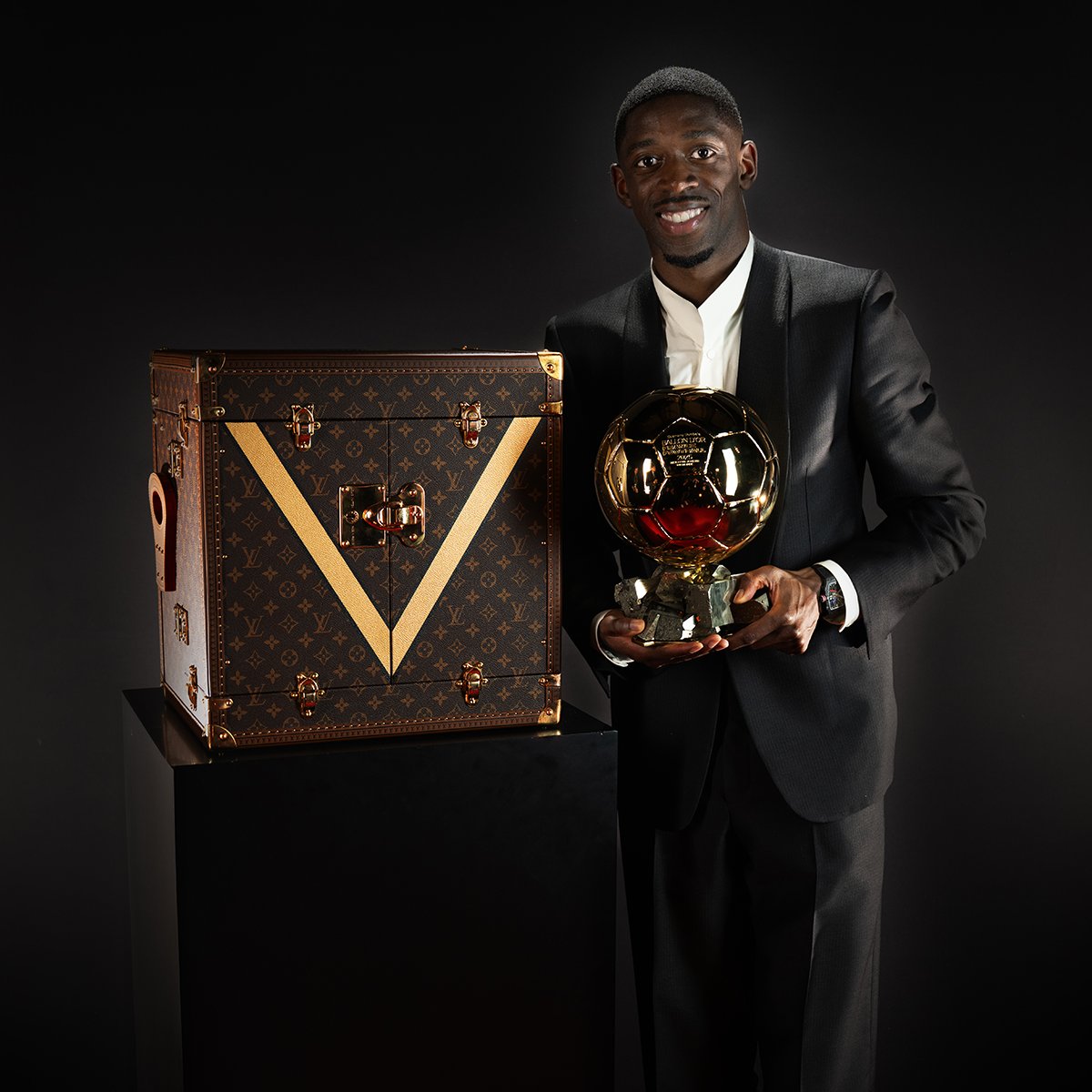
Paris — On the night of September 22, 2025, the Théâtre du Châtelet surrendered to applause, flashbulbs, and pulses racing. But beyond the stage where trophies were handed out, a parallel story was being told—of triumph, heartbreak, ambition, and legacy. That story is captured in “Ballon d’Or 2025: The Movie,” a documentary-style cinematic tribute to football’s most celebrated individual awards night. Part red carpet spectacle, part behind-the-scenes saga, the film presents the Ballon d’Or not just as a glittering awards ceremony, but as a cultural moment—an intersection of sport, aspiration, emotion, and narrative. Structure & Storylines From Nominees to Icons The movie opens with montage sequences introducing the shortlisted players, their season highlights, and personal backstories. Names like Ousmane Dembélé, Lamine Yamal, Aitana Bonmatí, and Gianluigi Donnarumma are threaded through sequences showing goals, defeats, press conferences, and family moments.

BALLON D'OR 2025: THE MOVIE
Related article - Uphorial Radio

The film weaves between club performance and the human side of the contenders. The Night Unfolds. A large section is devoted to the ceremony itself: the arrival of legends, the shifting glances among nominees, tension in the voting tallies, and intimate backstage reactions. The camera work zooms in on nervous hands, glistening eyes, and the split‑second hesitation before the winners’ names are announced. When Dembélé’s name is called, the film allows the moment to unfold in slow motion: the roar of the crowd, the embrace of teammates, the waves of relief and disbelief. Intercut are flashbacks from his season: matches, injuries, doubts, and redemption. A similar arc is given to Aitana Bonmatí, whose victory in the women’s category becomes a dramatic achievement and a reaffirmation of her consistency and dominance. Themes Explored: Resilience & Redemption — The film highlights how players overcame injury, criticism, or a slump in form to reach that moment.
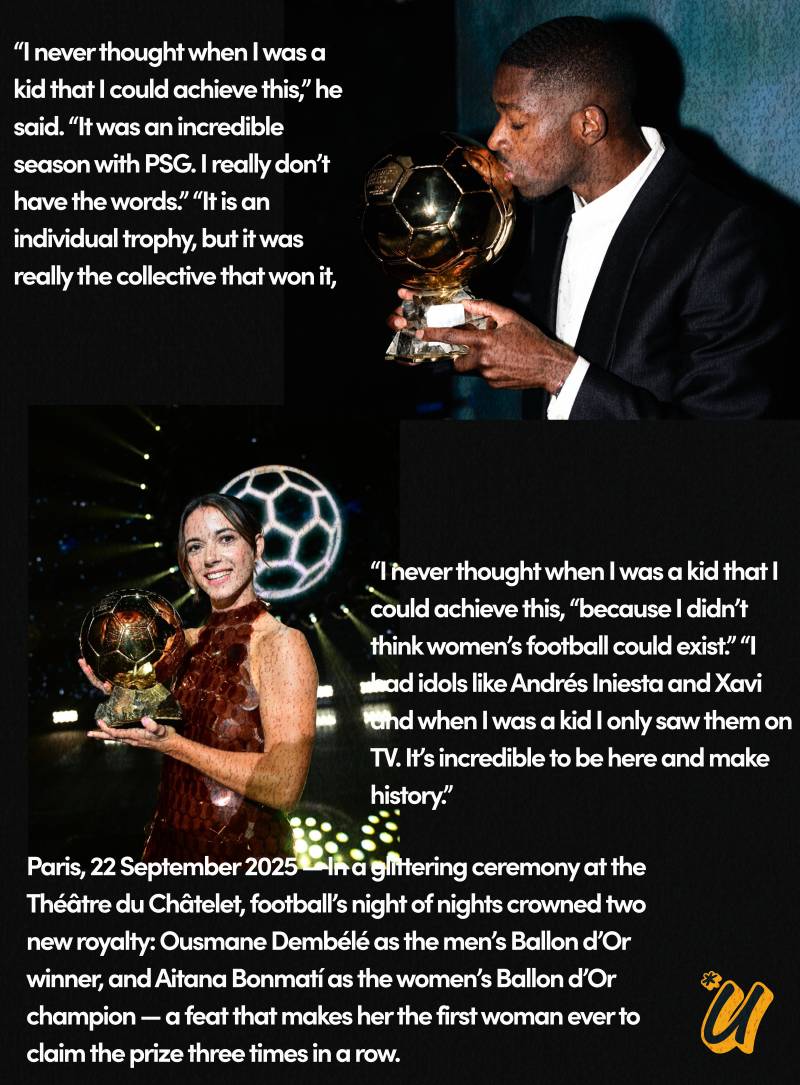
Legacy & Youth — Contrast between veteran stars and young prodigies like Yamal captures the tension between what has been earned and what lies ahead. Identity & Pressure — Off-field segments show personal stakes, public expectations, and the weight of reputation that comes with being a contender. Social & Cultural Context — The film doesn’t shy from commentary: how winning the Ballon d’Or amplifies a player’s voice, brand, and social influence beyond the pitch. Standout Moments on Screen Yamal’s Composure: Though finishing second, the 18‑year‑old’s reaction—silent grace, hands clasped, applause for the winner—is a cinematic highlight, revealing maturity beyond his years. Victory Speeches: Dembélé’s acceptance is delivered in full, marked by teary gratitude, familial tributes, and reflections on the long climb. Montage of Missing Names: The film acknowledges players who failed to make the shortlist but whose seasons stirred public debate—underscoring that omission can hurt as deeply as inclusion rewards. Women’s Game Elevation: For many viewers, Bonmatí’s storyline is a centerpiece—not a footnote. Her three‑peat win and place in the larger evolution of women’s football is given the weight and dignity.
Production & Style Shot with a mix of documentary cameras, archival match footage, and cinematic interludes, the film blurs formal genres. It cycles between energetic sports editing and slower, introspective sequences. Voiceovers include player reflections, pundit commentary, and narrators contextualizing the season’s major plotlines. The timelines are tightly edited: the period considered for awards—August 2024 to mid‑2025—is tracked in parallel with the behind‑the-scenes preparation for the ceremony itself. The final act doesn’t end with trophies. It lingers on emptying cameras, backstage sighs, and what the evening means for the season ahead. It’s both an ending and a prologue. Impact & Reception “Ballon d’Or 2025: The Movie” is poised to become a grab‑and‑go for football fans and general audiences alike. It functions as: A celebration — reaffirming why football’s greatest individual award still resonates. A document — preserving ephemeral private moments that history might otherwise forget. A critique — the film occasionally questions the weight of hype, media optics, and how much off-field narratives influence perception. Initial reactions from critics praise its emotional pacing, visual storytelling, and respect for both men’s and women’s football. Detractors caution that it risks mythologizing rather than interrogating the award’s inherent subjectivity. Why It Matters This film matters because the Ballon d’Or is more than a trophy. It is a mirror for modern football: its media machinery, celebrity culture, global reach, and the tension between individual glory and team sport. The movie gives faces to abstracts—effort, heartbreak, expectation. In 2025, football is assailed by debates about equity, inclusion, commercialism, and identity. A film that holds up the Ballon d’Or as narrative theater helps reveal how much of what we celebrate is constructed—and yet how much of it feels genuinely earned.