Vancouver - The stage at BC Place in Vancouver was illuminated not just by the stadium lights, but by the weight of a thousand dreams as Australia stepped onto the pitch for their 2026 FIFA World Cup opener against Türkiye. For the Socceroos, the atmosphere was thick with the skepticism of pundits who had largely written them off, but the squad under Tony Popovic carried a quiet, focused resolve. With a lineup that featured ten World Cup debutants and a bold tactical shift—most notably the inclusion of 22-year-old goalkeeper Patrick Beach—the Australians weren’t just playing for three points; they were playing for a new identity.
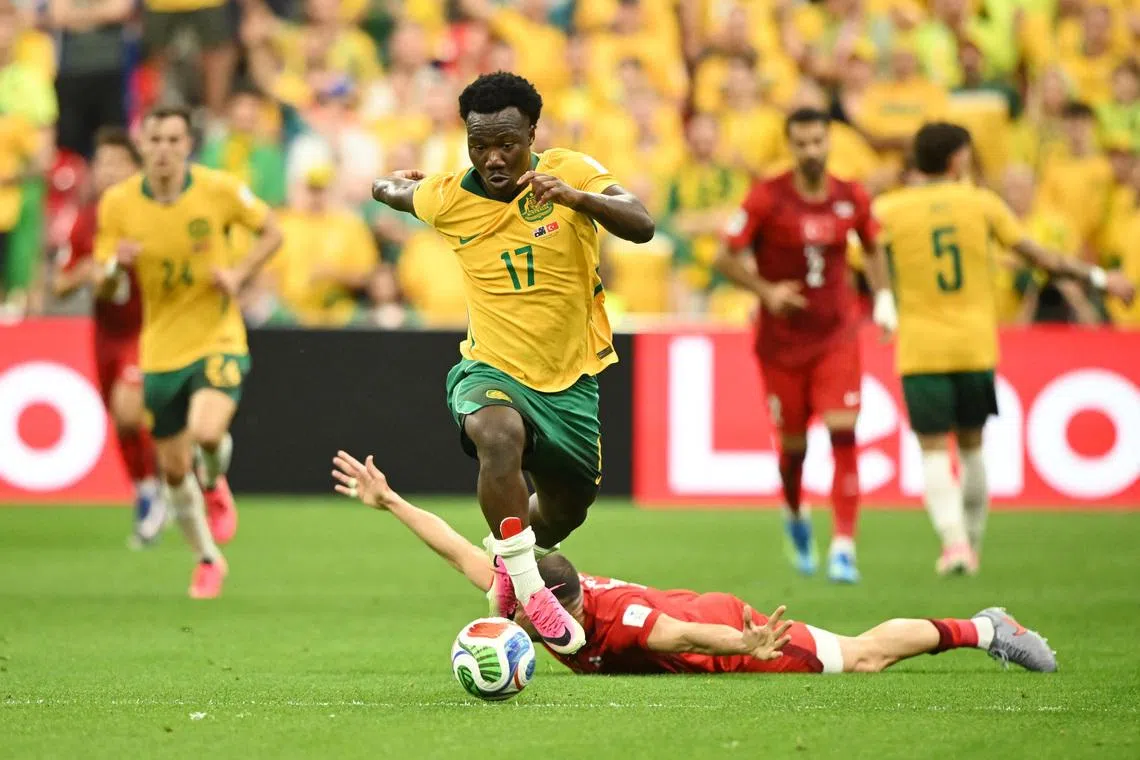
From the opening whistle, the game moved with a frantic, end-to-end intensity. Türkiye, buoyed by the presence of stars like Arda Güler and Hakan Çalhanoğlu, sought to impose their technical superiority early. Yet, it was Australia’s disciplined structure that provided the foundation for their triumph. The breakthrough arrived in the 27th minute, a moment of pure tactical brilliance that bridged the team's past with its burgeoning future. A lofted long ball from midfielder Paul Okon-Engstler sliced through the Turkish defensive line, finding the explosive Nestory Irankunda in stride. With the poise of a seasoned veteran, the young forward took a clinical first touch, maneuvering past the defense to fire home. As he sprinted to the corner flag to mimic a famous Australian celebration, he became the nation's youngest-ever World Cup goalscorer, a milestone that resonated far beyond the stadium walls.
Related article - Uphorial Shopify

The immediate aftermath of the goal served as the ultimate test of Australia's mettle. Türkiye responded with a furious surge, desperate to claw back momentum. Within seconds of the restart, Arda Güler forced a sharp reaction save from Patrick Beach, but the young keeper was only just beginning his masterclass. Just minutes later, a thunderous long-range effort from Abdülkerim Bardakcı seemed destined for the back of the net, but Beach produced a breathtaking, full-length save, tipping the ball onto the post. It was a sequence that defined the match: Turkish persistence met by an impenetrable Australian wall.The second half settled into a tense, tactical chess match. Türkiye dominated possession, maneuvering deep into the final third, yet the Australian defense, anchored by Harry Souttar and Cameron Burgess, stood resolute, making 55 clearances throughout the match. Each time the Turkish side threatened to break through, they were met by the impenetrable Beach, who would ultimately rack up eight saves—the most of any goalkeeper in the tournament thus far.
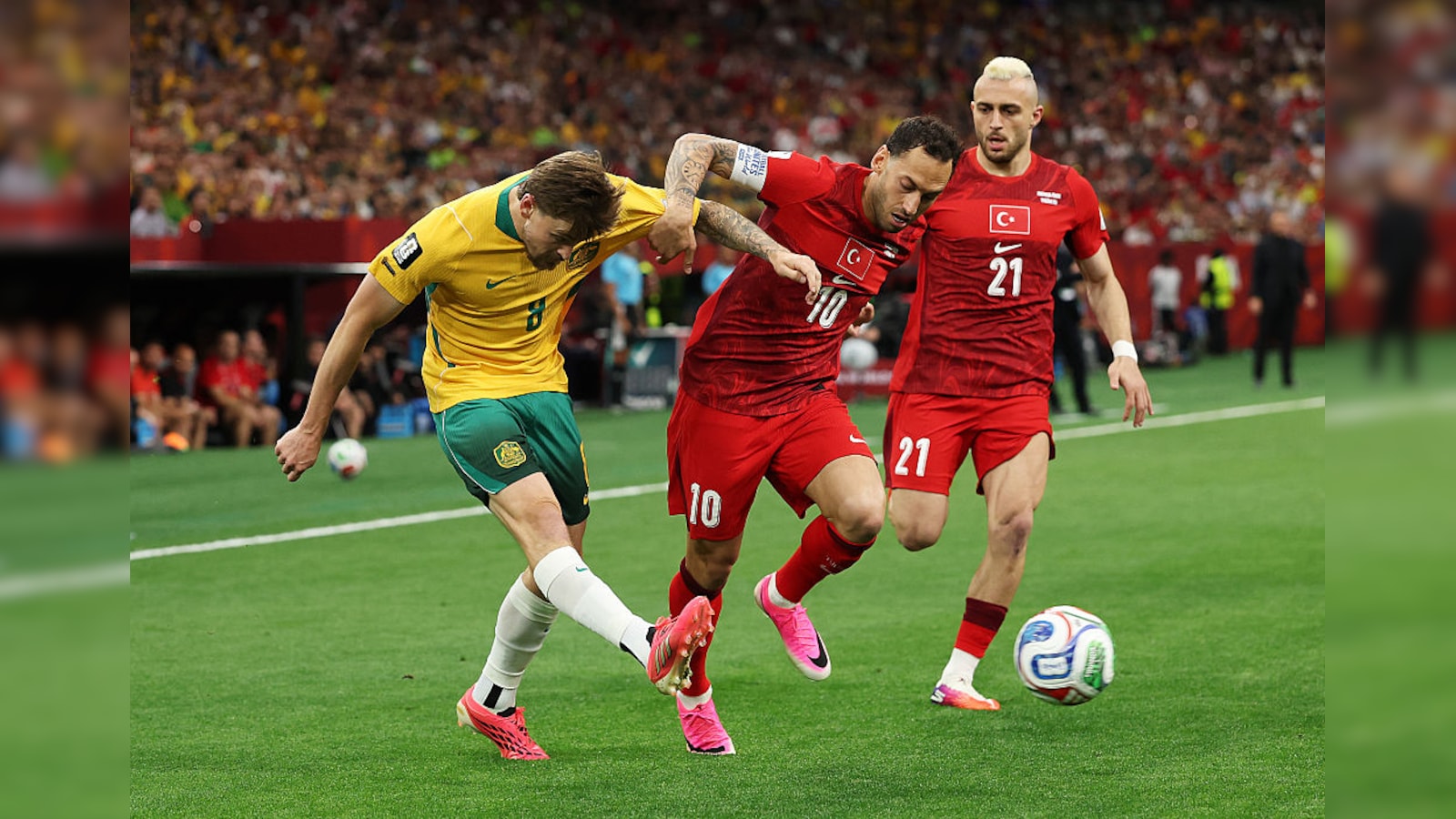
As the match entered its final quarter, the pressure reached a fever pitch. Australia, ever-opportunistic, continued to look for the fatal blow in transition. In the 75th minute, their persistence was rewarded. Connor Metcalfe, a constant engine in midfield, intercepted a loose ball and surged forward with purpose. From 20 yards out, he unleashed a low, powerful strike that arrowed into the bottom corner. The goal effectively extinguished the Turkish challenge, leaving the opposition stunned and the Australian contingent in the stands in a state of euphoria.The final ten minutes were an exercise in grit as Türkiye threw everything forward in a desperate bid to find a late lifeline. Yet, the Socceroos remained composed, with last-ditch blocks and disciplined defensive organization ensuring the clean sheet remained intact until the final whistle. The victory—a 2-0 scoreline that spoke to both defensive steel and clinical efficiency—marked Australia’s first opening-match win at a World Cup since 2006. As the whistle echoed through the Vancouver night, it was clear that this was more than a mere result. It was a transformation, a statement that this young, fearless cohort of Australians had not only arrived on the world stage but were ready to challenge the established order of global football.