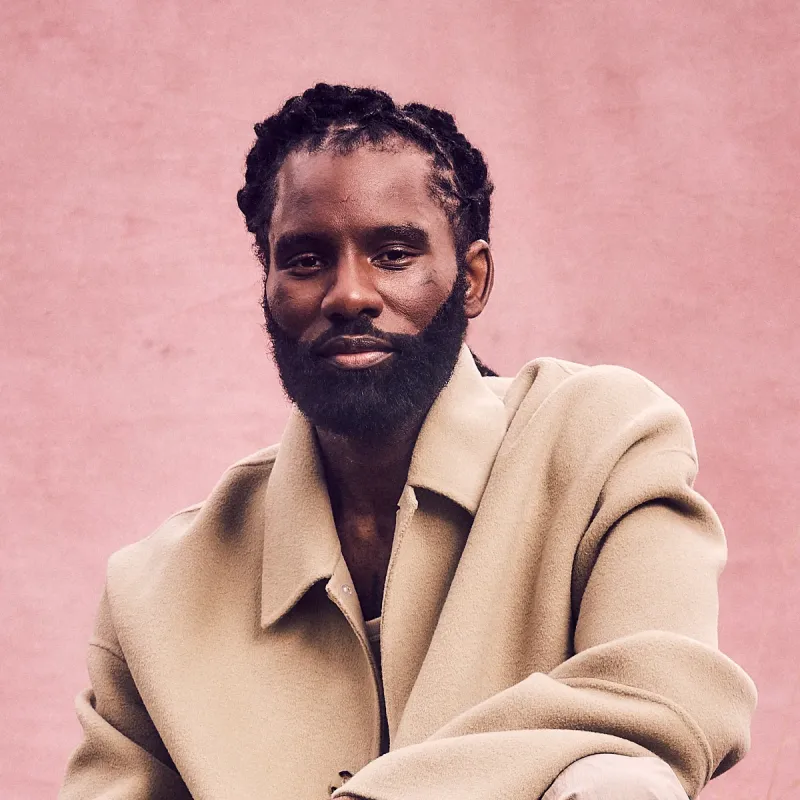
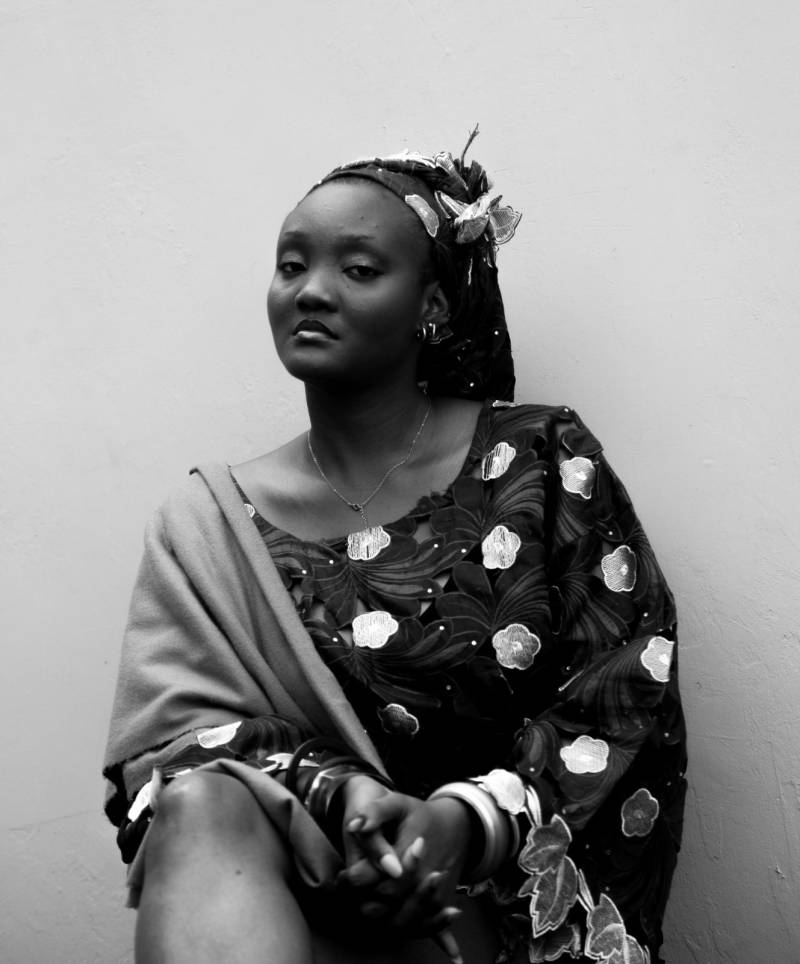
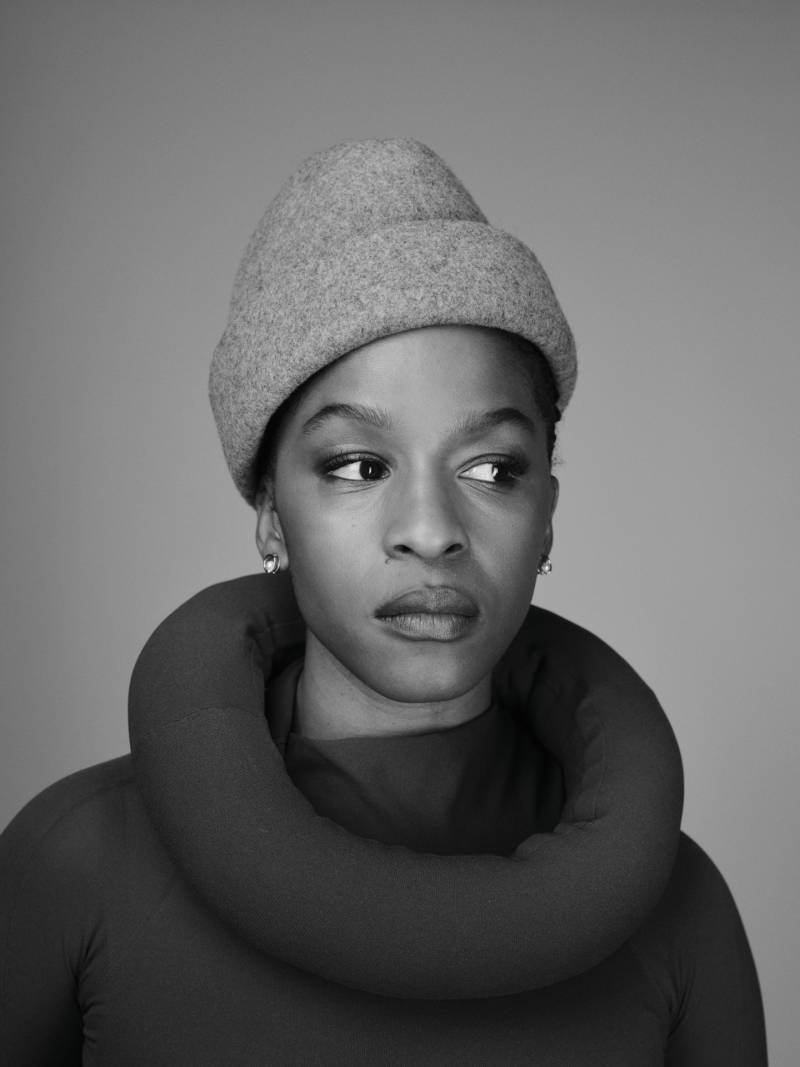
Afrobeat’s soul came to life as artists, in a Spotify discussion, reflected on its rich blend of sound, culture, and emotion. The conversation, which included artists like Wizard Chan and boy Llona among others, revealed that Afrobeat is not a singular sound but a broad, dynamic canvas. Artists described their music with diverse labels such as "Afro Teme," "Afro soul," and "Afro fusion," often creating a bridge between old-school traditions and new-school innovations. This musical variety is a direct reflection of the environments that nurture its creators. The relentless hope and hustle of Lagos, with its ever-present studios and musicians, shapes one artist's reality and sound, while the daily grind of youths in Abuja inspires another to create music for them. The cultural tapestry is further enriched by influences as varied as the spiritual Hausa gospel music from Kaduna and the unique historical sounds of the Niger Delta.
A cornerstone of the discussion was the profound emphasis on authenticity and the power of lived experience. The artists made it clear that their music is a mirror to their reality, channeling everything from personal vulnerability to societal critiques. One artist pointed out that societal issues like corruption start at the "grassroots," and if they feel compelled to sing about it, they will, ensuring their message is clear and intentional. This commitment to genuine expression creates a powerful connection with listeners, particularly young people who are trying to find themselves and can relate to the authenticity they see in the art. The music becomes a shared experience, a story that listeners can feel and connect with from "heart to heart," even if they do not understand the language. This raw honesty, described by one artist as vulnerability, is what makes us human and allows the music to resonate so deeply.

Artists describe Afrobeats in their own words

Related article - Uphorial Radio

Artists spoke passionately about weaving their local languages and traditional sounds into modern music, ensuring their heritage is not forgotten. One artist from the Niger Delta recounted traveling "back in time" to revive the sound of Gyration, a musical tradition originating from fishermen who used gin bottles as percussion to keep warm and maintain rhythm while paddling their boats. This practice of honoring pioneers like Fela Kuti, known for his layered, story-driven compositions, ensures that the culture "has to stay for life". For diaspora listeners, these familiar sounds evoke a powerful sense of nostalgia, reminding them of where they came from. Cultural identity is also expressed visually, with artists intentionally incorporating elements like waist beads to match the sonic energy of their music and proudly showcase their Nigerian and African heritage.
Collaboration and a strong sense of community were highlighted as essential to the creative ecosystem. The artists shared stories of organic and meaningful partnerships that transcend competition. In a powerful example, one artist instinctively knew a verse he had recorded was no longer his and decided to give it to fellow artist Wizard Chan after a chance backstage meeting. This was an act of deep professional respect, with another artist noting, "He knows what I would do on a record if this record was mine". These collaborations are not just local; they cross continents, blending an "African side" with an "Afro-descendant" side from Chocó, Colombia, celebrating shared roots through sounds that fuse African memories with Latin salsa. This collaborative spirit often finds its earliest roots in church choirs, where many artists first learned to combine different melodies and voices into a harmonious whole.
Ultimately, the artists expressed a unified, ambitious vision: to see Afrobeats achieve the same global recognition as genres like R&B, Hip Hop, and Jazz. They view themselves as cultural exporters, tasked with sharing their unfiltered reality and heritage with the world. In this mission, platforms like Spotify are seen as invaluable allies, offering a "dream come true" for underground artists who often struggle for visibility in a saturated market. This global stage allows them to push their culture forward, to let the world know who they are, what they are going through, and to powerfully affirm that "Afro-Latin women also have a voice". By staying true to their roots and sharing their stories with unflinching honesty, these artists are ensuring that Afrobeats is not just heard but felt and understood across the globe.