FLORIDA – In the humid heart of Florida, far from the polished exhibits of traditional zoos, lies a sanctuary that feels less like a facility and more like a window into a primordial past. Primitive Predators, a massive, privately operated rescue and education center, serves as the stage for a compelling exploration into the lives of the world’s most formidable crocodilians. When wildlife expert Forrest Galante joined the facility’s founder, Kyle, for an exclusive tour, the result was a masterclass in wildlife conservation that challenged every preconceived notion about man’s relationship with apex predators.
The tour began not with the expected displays of dominance, but with a deep dive into the complex evolutionary reality of one of the world's most dangerous creatures: the Cuban crocodile. Often misunderstood as merely aggressive, the Cuban crocodile is a testament to the sheer adaptability of nature. Kyle articulated that their reputation for ferocity is an evolutionary byproduct; confined to limited resources in their native habitats, they have evolved to hunt on land with a terrifying efficiency. It is a transformational framing that shifts our perception of the animal from a "vicious beast" to a masterful survivor, forced by environment and necessity to sharpen its predatory instincts.
As the duo moved through the sanctuary, the intensity of their work became palpable. The highlight for many observers was the introduction to Ragnarok, a massive Australian saltwater crocodile. Seeing a creature of this scale—an apex predator that commands instant, primal respect—up close is a humbling reminder of nature’s raw power. The segment provided an unvarnished look at the speed and tactical precision that define these giants. It was a moment of high-stakes engagement, illustrating that respect for such creatures is not found in proximity, but in the acknowledgement of their lethal capability and the specialized, disciplined care required to manage them safely.
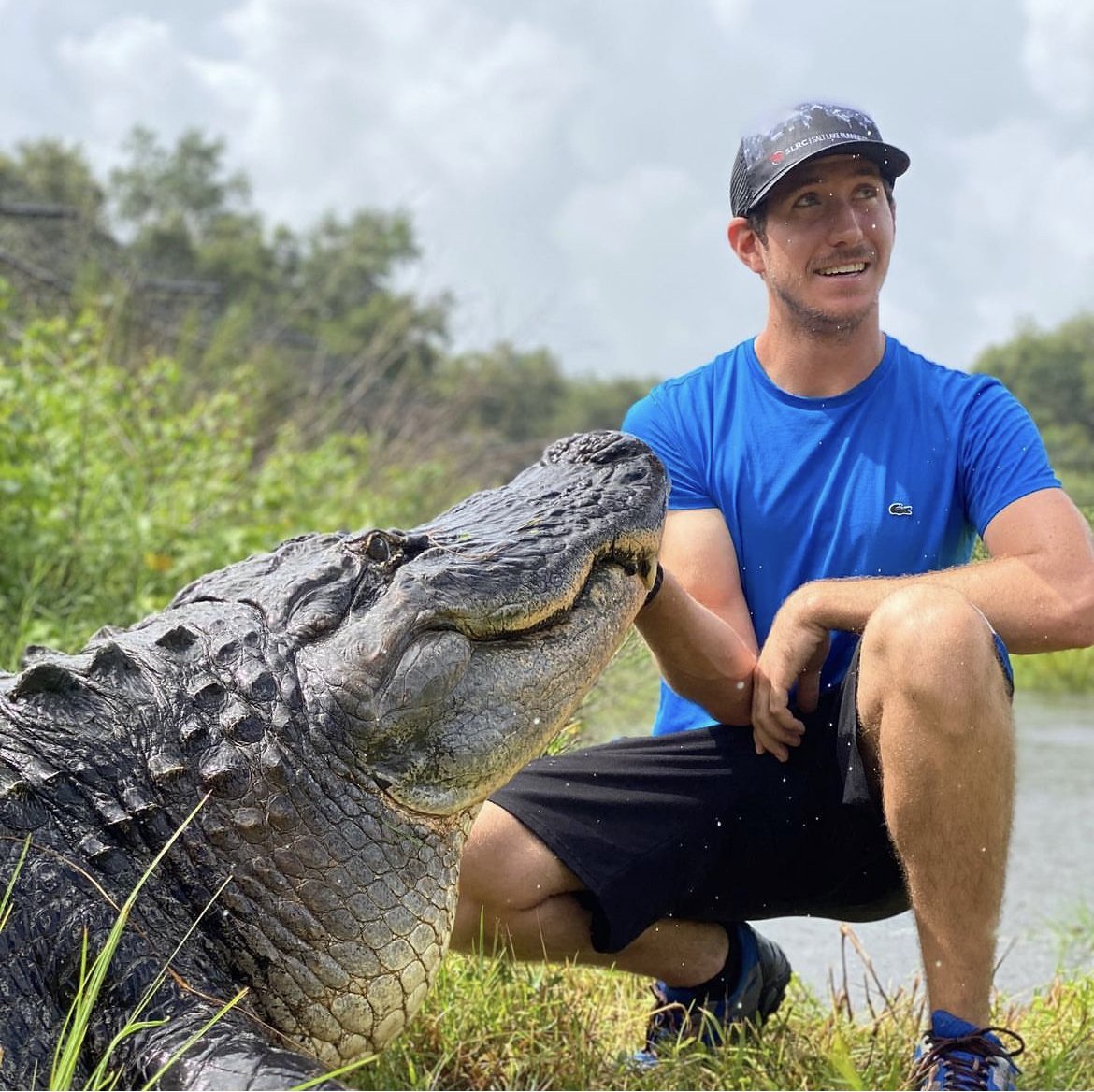
The visit also offered an illuminating look at the American alligator, with the pair conducting a health assessment on a large bull. Beyond the sheer metrics of the animal’s size, the encounter served as a practical demonstration of sexual dimorphism and the success of the sanctuary’s conservation model. By constructing naturalistic, expansive environments, Kyle has fostered a breeding program that prioritizes the biological needs of the animals over the aesthetic desires of the public. This commitment to an authentic, stress-free environment is the cornerstone of his mission; he is not interested in creating a spectacle, but in ensuring that these creatures can lead lives that mirror their wild instincts.

Related article - Uphorial Shopify
Perhaps the most poignant segments of the tour involved the sanctuary’s commitment to the planet’s most vulnerable species. The facility houses specimens of the Philippine crocodile—officially recognized as the rarest in the world—and the Chinese alligator, the only Old World alligator species. These animals stand as living warnings regarding the catastrophic impact of habitat loss and industrial encroachment. Discussing their plight brought the conversation to a somber reality: these are creatures that have outlived dinosaurs, yet they now find themselves on the precipice of extinction due to human development. Each enclosure serves as an ark, a desperate effort to preserve genetic diversity and raise awareness for a world that is rapidly shrinking.
The most critical takeaway from the exchange between Galante and Kyle is a stern, necessary critique of the "pet" culture that currently threatens reptile welfare. The duo was unequivocal in their stance: when a pet owner claims their alligator is "friendly" or "tame," they are almost certainly misinterpreting the animal's behavior. Such docility is rarely a sign of affection; rather, it is frequently a symptom of emotional distress, cognitive shutdown, or the total suppression of natural survival mechanisms. For the team at Primitive Predators, the goal is to dismantle the anthropomorphic lens through which we view these animals. They aren't meant to be house-bound novelties; they are wild, ancient, and deserving of environments where they can exhibit authentic behaviors.
Ultimately, the tour of Primitive Predators is a profound exercise in cultural understanding. It forces us to reconcile our desire for interaction with these apex giants with the ethical responsibility to protect them. By providing a home for hundreds of rescued crocodilians, Kyle and his team are doing more than simply providing shelter—they are challenging the status quo of wildlife captivity. They are demonstrating that the highest form of appreciation for these animals is not to bring them into our world as pets, but to ensure they have the space to remain exactly what they have been for millions of years: wild, untouchable, and beautifully dangerous. In the quiet, swampy corners of their Florida facility, they are proving that the path to true conservation begins with the humility to step back and let the predators be themselves.