LAGOS – The visual vocabulary of the COLORS platform is deliberately designed to strip away the complex, distracting architecture of modern stage production—replacing it with a single, unyielding block of saturated color that forces the viewer into an immediate, uncompromising confrontation with raw human talent. Yet, when the performer stepping into this minimalistic, monochrome sanctuary is a five-time Grammy winner and a towering icon of global music, the space ceases to be a mere internet recording studio. It transforms into an intimate, high-stakes laboratory for civilizational reflection. Performing her resonant single "You Can"—a definitive centerpiece from her celebrated 2026 album HOPE!!—the Beninese powerhouse Angélique Kidjo delivers an extraordinary performance that functions far less as a standard promotional spot and far more as a monumental, cross-continental manifesto. Through a masterclass in emotional precision and transformational framing, Kidjo utilizes her time before the microphone to construct a powerful, decolonial archive of resilience, weaponizing her raw, lived-in vocal texture to bridge the agonizing psychological fractures of the modern geopolitical landscape.
To enter the interior logic of this performance is to first confront the profound, ancestral weight of Kidjo’s artistic lineage, an background she approaches with an exceptional degree of cultural understanding. For over four decades, Kidjo has operated not merely as an entertainer, but as a sovereign cultural ambassador for the African continent, utilizing her global platform to challenge the reductionist, Western narratives that frequently flatten the complexities of post-colonial identity. In the stark, hyper-focused landscape of the COLORS show, she strips away the safety net of complex instrumentation, allowing the sheer, muscular cadence of her voice to carry the entire moral weight of her message. The sonic minimalism serves a vital strategic purpose: it isolates the listener, forcing a direct, eye-to-eye encounter with an artist who refuses to allow the audience to remain passive consumers of rhythmic exoticism, demanding instead that they engage with the urgent, philosophical inquiries embedded within her lyricism.
The thematic architecture of "You Can" represents a brilliant stroke of intelligent curation, targeting the profound spiritual exhaustion that characterizes the contemporary global youth experience. Kidjo initiates her vocal journey not with empty platitudes of corporate empowerment, but with a fierce, unyielding declaration of faith in the individual's capacity to alter the trajectory of human history. She actively wrestles with the impossible, structural challenges that define our daily lives—systemic inequality, environmental degradation, and the slow erosion of communal trust—yet she systematically reframes these crises not as final, apocalyptic verdicts, but as raw material for historic transformation. Her performance infuses the lyrics with a visceral, almost tangible sense of necessity, communicating with absolute emotional precision that the power to change the world is not a distant, utopian privilege, but an immediate, non-negotiable obligation buried within the chest of every listener.

Related article - Uphorial Shopify
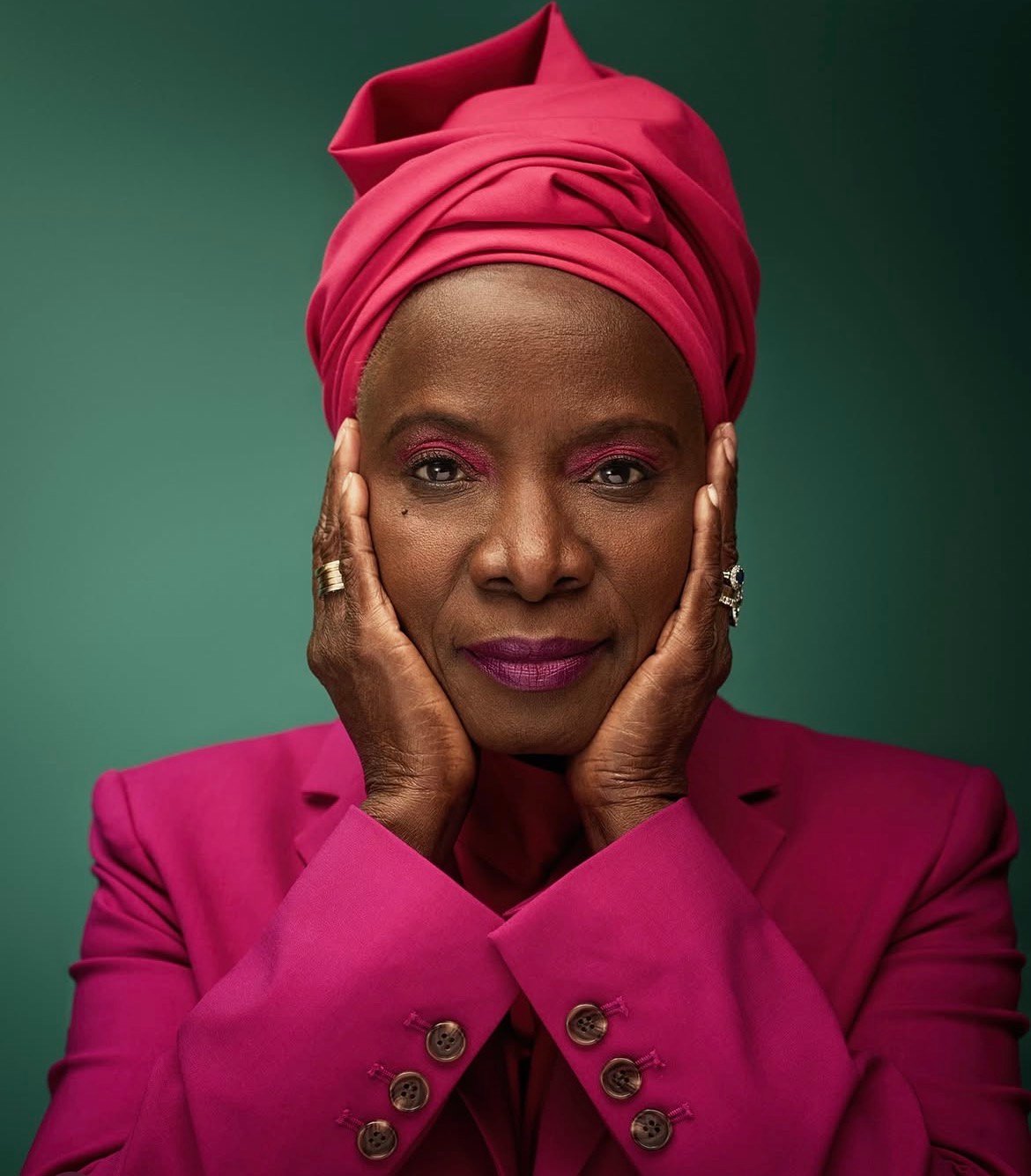
However, the true emotional climax of the performance materializes through Kidjo’s profound, heart-wrenching articulation of intergenerational hope—a narrative thread that elevates the song into a universal anthem of maternal stewardship. Standing before the camera as an elder who has survived the brutal ideological wars of the late twentieth and early twenty-first centuries, she openly uses her platform to express a deeply vulnerable, protective desire for the next generation to transcend the limitations of her own historical cycle. Kidjo does not position herself as an omniscient, flawless guide; instead, she gracefully acknowledges the failures, compromises, and unhealed wounds of her own era. She explicitly charges the youth with the monumental task of fixing the structural flaws of the world they were born into, framing their current struggles not as a curse, but as an epochal opportunity to pioneer new, unprecedented methodologies for global human connection and collective liberation.
This structural reclamation reaches its zenith during the song's recurring, poetic plea for unity, a segment where Kidjo deploys a powerful visual motif of opposites holding each other's hands to challenge the hyper-polarized nature of modern public discourse. In an era where division has been aggressively commodified by algorithmic structures, her call for radical reconciliation operates as a deeply disruptive political statement. She handles this delicate theme with an absolute lack of sentimentality, framing unity not as a soft, passive surrender, but as a rigorous, high-stakes discipline that requires immense courage and mental fortitude. As her voice rises to meet the track's crescendo, weaving complex African rhythmic patterns into the fabric of global pop arrangement, the act of holding hands is transformed from a cliché into a fierce, sovereign shield against civilizational collapse.
Ultimately, Angélique Kidjo’s performance for A COLORS SHOW stands as a definitive testament to the reality that true artistic immortality is achieved when a creative force can shrink the grand, sweeping narratives of global history into a singular, intimate human encounter. It is a work that successfully balances the absolute specificities of her West African heritage with a broad, deeply moving examination of human endurance and cross-generational responsibility. By refusing to sanitize the harsh realities of our fractured world while simultaneously radiating an unshakeable, electric belief in our collective future, Kidjo has constructed more than just a memorable musical video. She has delivered an urgent, beautifully curated, and deeply necessary blueprint for how the human voice can be weaponized to dismantle despair, heal generational trauma, and restore a sense of sovereign grace, dignity, and uncompromised hope to a world searching desperately for its own soul.