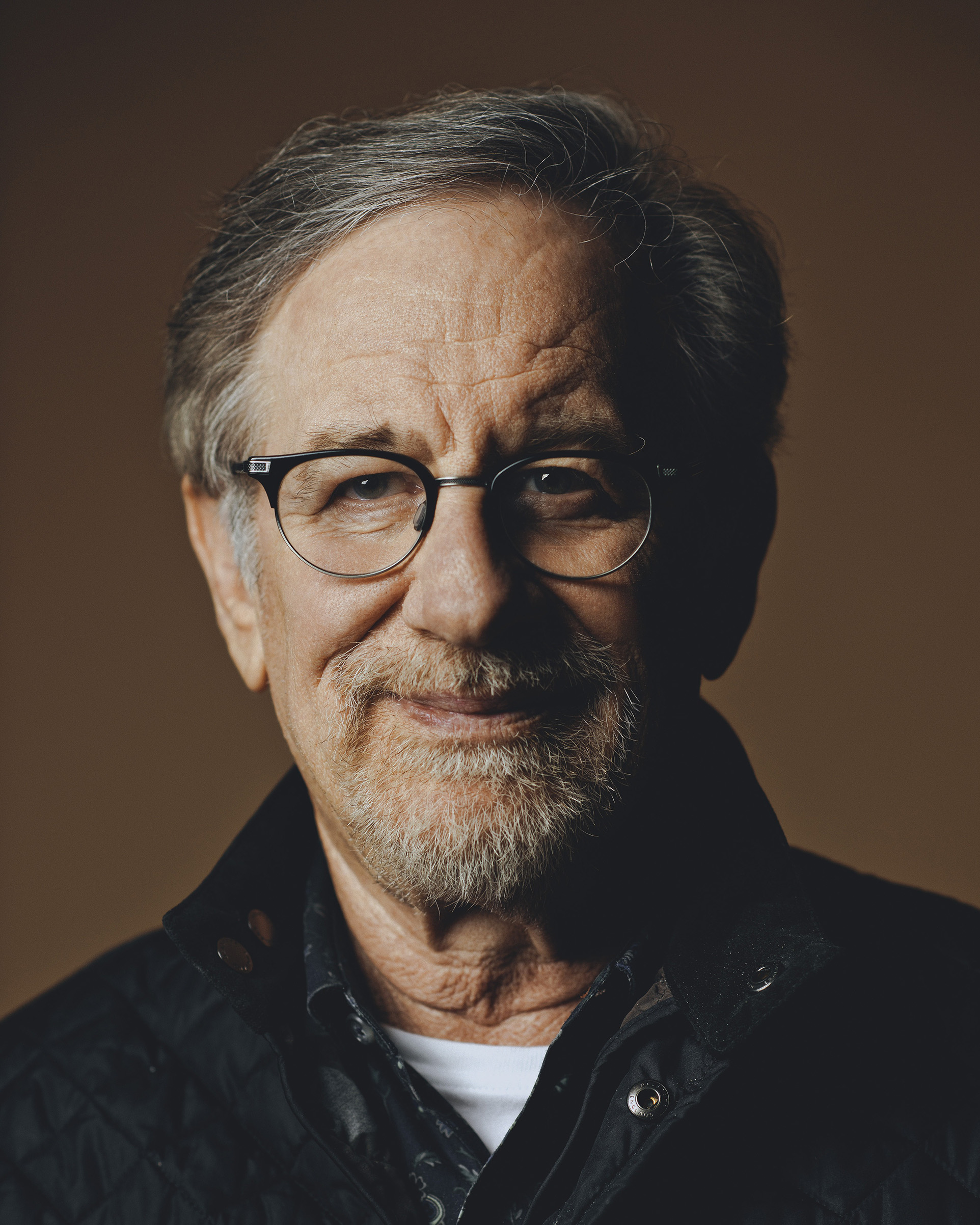
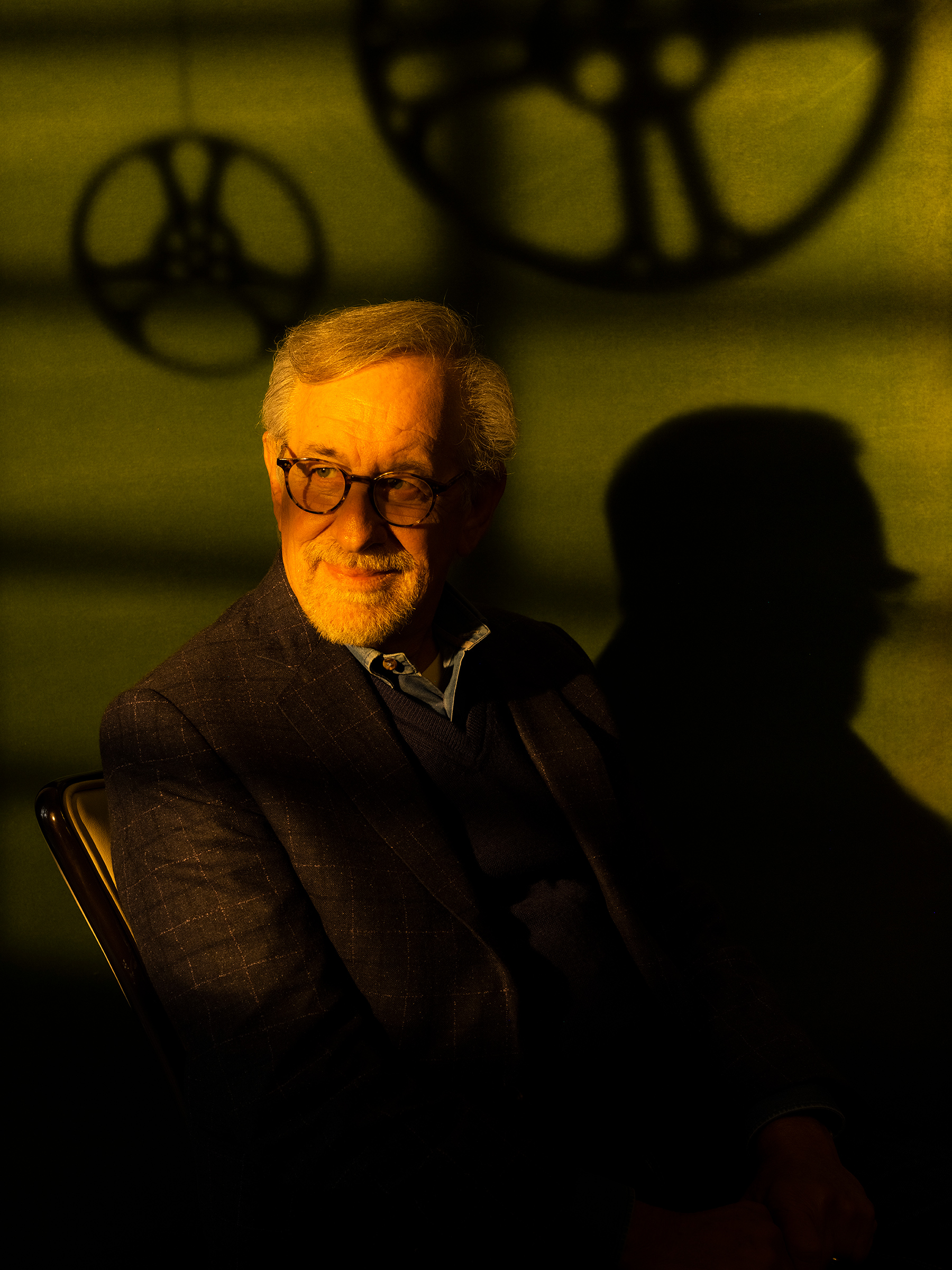
The history of modern cinema is written in frames of wonder, but the man behind the lens has rarely sat down to pull back the curtain with the kind of unvarnished vulnerability seen when legendary filmmaker Steven Spielberg joined hosts Michelle Obama and Craig Robinson for a rare and deeply revealing conversation on the podcast IMO. In a dialogue that spanned the breadth of a storied lifetime, Spielberg moved effortlessly from the sepia-toned memories of his childhood to the cutting-edge anxieties of his latest cinematic venture, offering a masterclass in how personal history shapes artistic creation. His reflections served as a reminder that the most enduring art is born not from technical precision alone, but from an unyielding desire to make sense of the world, to process fear, and to find human connection in an increasingly fragmented universe.
The genesis of Spielberg’s legendary career stretches back to a boyhood where the motion picture camera was not merely a toy, but a vital psychological instrument. Long before he commanded Hollywood blockbusters, a young Spielberg began filming home movies as a way to negotiate his own fears and bear witness to the relentless, often painful passage of time. He opened up about how the contours of his upbringing and the complex dynamics of his parents left an indelible imprint on his directorial eye, turning observation into a sanctuary. This foundational relationship with cinema—treating the lens as a bridge between internal anxiety and external reality—laid the bedrock for a career defined by its uncanny ability to tap into the universal emotional frequencies of the human condition.
Related article - Uphorial Shopify
That emotional excavation reached its zenith in his semi-autobiographical masterpiece, The Fablemans. For decades, Spielberg danced around the edges of his own history, waiting until later in his life and career to finally confront the raw material of his childhood. In his conversation with Obama and Robinson, he spoke candidly about the profound, therapeutic healing process of revisiting his family’s story on film, including the lingering trauma of his parents’ painful divorce. By translating his most private heartbreaks into public art, he demonstrated that creative courage often requires looking backward into the pain of the past, using storytelling not to escape reality, but to reconcile with it.
Yet, for all its solitary origins, Spielberg’s filmmaking philosophy is deeply communal, anchored in enduring collaborations and a profound respect for the actors who bring his visions to life. He reflected on his decades-long creative partnership with icons like composer John Williams, whose soaring scores have become the emotional DNA of modern culture, while emphasizing the vital importance of artistic give-and-take on set. Remembering the production of classics like E.T., Spielberg stressed that a director's true power lies in collaboration—specifically in knowing when to step back and let actors actively contribute to the psychological depth and organic development of their characters, transforming rigid screenplays into breathing, living human truths.

This philosophy of shared experience extends past the soundstage and directly into the auditorium, prompting Spielberg to offer a passionate, urgent defense of the theatrical moviegoing experience. In an era dominated by isolated viewing on handheld devices and living room screens, he passionately argued that cinemas act as irreplaceable cultural town squares. Movies, in his view, possess a unique alchemy: they are empathy machines designed to unite people of vastly different backgrounds and beliefs in a collective emotional rhythm. To sit in a darkened theater surrounded by strangers laughing, gasping, and weeping together is to experience a rare form of social cohesion that digital isolation can never replicate.
That commitment to exploring the unknown and challenging collective perception drives his contemporary work, notably captured in his sci-fi thriller Disclosure Day. Discussing the project, which plunges into the labyrinthine mysteries of Unidentified Anomalous Phenomena (UAPs) and government secrecy, Spielberg noted his mathematical conviction that humanity cannot possibly be alone in the vast cosmic expanse. Yet, true to his humanistic form, he emphasized that the film’s core interest is not the hardware of extraterrestrial craft, but the profound psychological and emotional shockwave of potential disclosure on human society—how we handle the mirror being held up to our place in the universe.
Turning toward the future of the medium, Spielberg addressed a listener question with actionable wisdom for the next generation of creators. Rather than getting bogged down by the gatekeepers of traditional industry structures, he advised young writers and aspiring filmmakers to focus relentlessly on having something meaningful to say. In a world saturated with technical accessibility, he urged creators to leverage modern tools to produce short-form content and project their distinct, uncompromised voices into the cultural ether. It was a fitting capstone to a conversation that bridged eras—encouraging new storytellers to pick up the camera, face their own fears, and begin the lifelong work of building bridges through art.