With an extraordinary focus on overland exploration, a recent segment of the "Great American Rail Trip" documented by video producer Jeb Brooks highlighted a journey from Yellowstone to Yosemite that deliberately chose complication over convenience. While the trip covers only about 800 miles by car or a few hours by plane for a couple of hundred dollars, the travelers opted for a five-day, nearly 1,400-mile, and more expensive route utilizing two trains and five buses. The trip reveals the logistical hurdles and unexpected rewards of navigating America's national parks purely through public transit.
The marathon began in West Yellowstone, Montana, necessitating immediate reliance on the private Salt Lake Express shuttle service for a 7.5-hour, 322-mile bus ride through Idaho and Utah. Fortified with pre-purchased sack lunches from the Outpost Restaurant, the travelers endured the stunning scenery along Interstate 15 but had to make a motor coach transfer in Rexburg, Idaho. The first stage concluded in Salt Lake City, where a seven-hour wait for the Amtrak train—the California Zephyr—loomed, with the train scheduled to arrive around midnight. A crucial expenditure was a hotel room, allowing for showers and a nap, especially since the train was delayed by about an hour, pulling in shortly after 12:05 a.m.

Related article - Uphorial Radio

Related article - Uphorial Sweatshirt
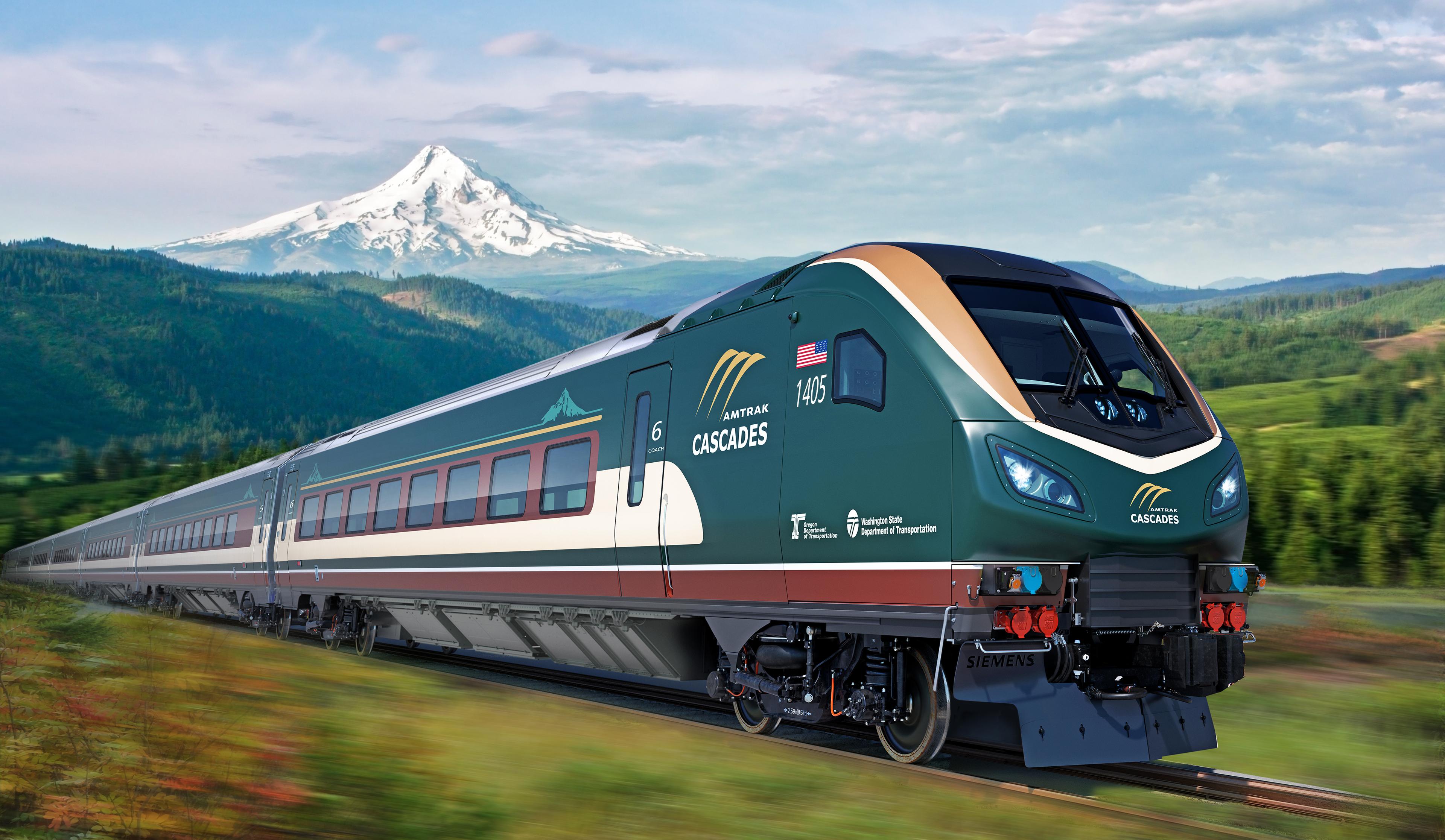
The 18-hour, 830-mile run to Emeryville began with a coin flip to determine who received the preferable bottom bunk in the Amtrak bedroom. Morning found the travelers enjoying coffee and space in the Sightseer Lounge. The journey offered famous views of the Truckee River, the climb into the Sierra Nevada mountains, and the unforgettable sight of Donner Lake. The social element of train travel flourished, including striking up conversations with fellow travelers like "Steve from Nebraska". The train arrived on time, but the journey immediately required the third bus—an essential Amtrak connector service—to cross the bay into San Francisco.
San Francisco provided a much-needed break in the transit rhythm, a "fantastic city" where they walked the many hills and even experienced travel in a driverless Waymo car. However, the route demanded a return trip on the fourth bus—deemed the "nicest bus of the trip"—back to Emeryville. What should have been an under four-hour drive to Yosemite was scheduled for 8.5 hours by transit. The second train, the San Joaquin's commuter service, took them 123 miles to Merced. This particular train stood out as the "nicest Amtrak train" the travelers had ever encountered, boasting multiple shelves of free snacks (including Doritos) and reliable Wi-Fi.
The complex scheduling soon proved precarious when the San Joaquin was delayed by 30 minutes due to a trespasser on the tracks. This compressed the transfer time for the final critical segment: the YARTS (Yosemite Area Regional Transportation System) bus. Since YARTS is not an Amtrak service, it would not wait for a late train. After a quick makeshift lunch in front of the Merced station, they boarded the fifth and final bus for the scenic 78-mile, three-hour climb into the park. A financial incentive for public transit use was avoiding the standard $39 park pass fee. Arrival at the Yosemite Valley Lodge—whose availability, booked months earlier in January, had set the schedule for the entire trip—offered a reward. The travelers praised the "spectacle and grandeur" of the massive landscape, which offered a stark contrast to the "close-up" feel of Yellowstone. Their explorations were enhanced by finding a normally dry waterfall running due to "freak storms". This taxing logistical puzzle ultimately yielded a deeply personal and unforgettable view of the country's treasured parks.