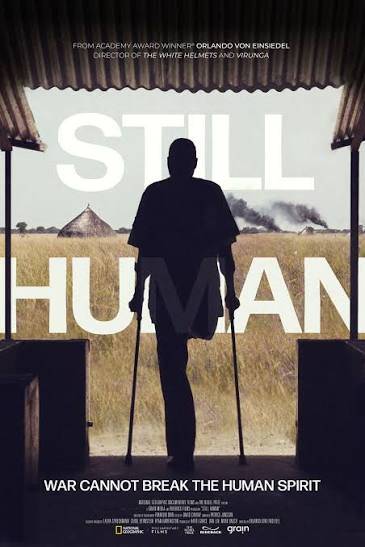
ADDIS ABABA – In a groundbreaking investigative report titled "What Happens After FGM? The Surgery Helping Survivors Heal," a global movement is surfacing that seeks to address the profound physical and psychological scars left by female genital mutilation. With over 200 million women and girls affected by the practice worldwide, the documentary shifts the focus from the act of trauma to the arduous, yet hopeful, journey of reclamation. At the heart of this narrative is the emergence of clitoral reconstructive surgery, a specialized medical intervention that is increasingly being viewed not just as a clinical repair, but as a definitive act of autonomy for survivors seeking to restore what was forcibly taken from them.
The lasting impact of FGM is depicted as a multifaceted crisis that extends far beyond the initial event. Survivors frequently grapple with a lifetime of chronic pain, recurrent infections, and severe obstetric complications. However, the documentary delves deeper into the silent, often unaddressed consequences: the intense emotional trauma and the systematic theft of sexual pleasure. For many women, the physical alterations imposed upon them in childhood serve as a constant, visceral reminder of a lack of agency. This "theft of womanhood" often results in a fractured sense of self that persists for decades, affecting their relationships, their mental health, and their ability to inhabit their own bodies with confidence.
Clitoral reconstruction is presented by a dedicated group of surgeons as a beacon of restorative justice. The procedure involves a meticulous process of uncovering and rebuilding the clitoral tissue that remains beneath the scar tissue left by the cutting. Medical experts explain that because much of the clitoral structure is internal, skilled surgical intervention can often restore both form and, in many cases, sensation. For the survivors featured in the film, the decision to undergo this surgery is described as a way to "bury the ghosts" of their past. It is an elective reclamation—a choice made by the woman, for the woman—that stands in direct opposition to the non-consensual nature of the original procedure.
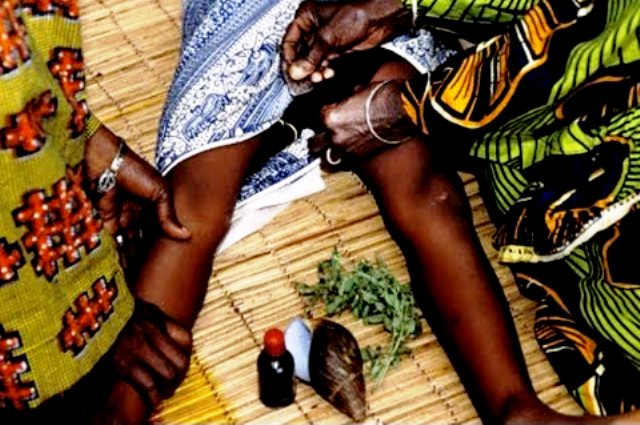
Related article - Uphorial Shopify
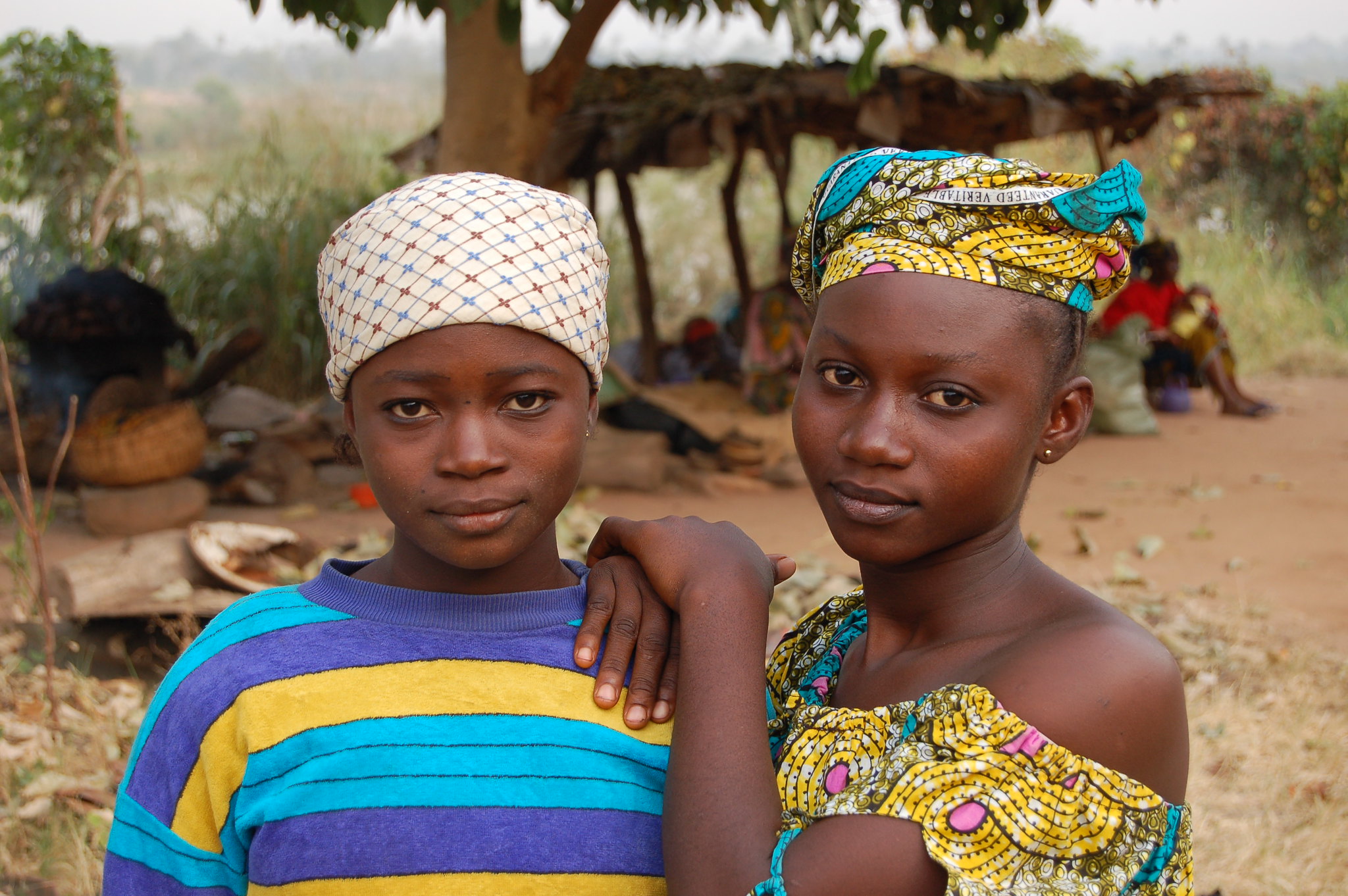
However, the journey toward healing is not uniform, and the documentary highlights the stark disparities in global medical access. While some survivors find success and a renewed sense of identity through surgery in well-funded clinics, others face significant hurdles. In regions like The Gambia, the film documents the frustrations of women who are eager to heal but are met with limited medical resources, high costs, and a lack of specialized surgical expertise. Furthermore, the film captures the emotional complexity of the decision itself; for some, the prospect of undergoing another surgical procedure on an area associated with such deep pain is a daunting psychological barrier that requires as much therapeutic support as it does medical skill.
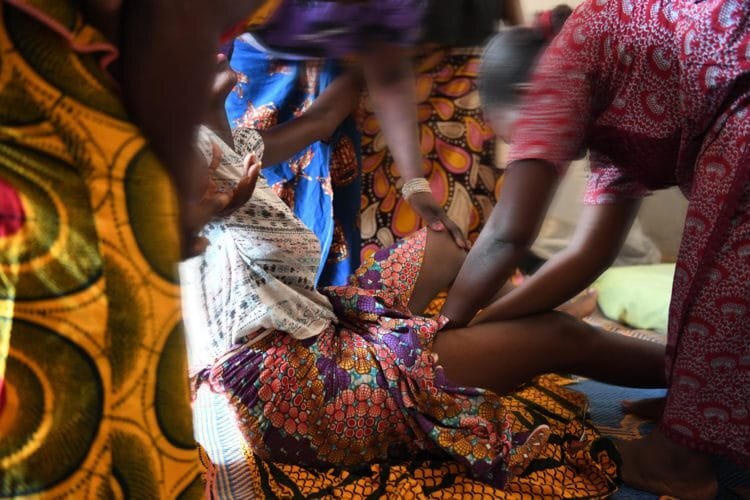
Beyond the operating room, the report documents a tectonic shift in the communal structures that once protected the tradition of FGM. In many high-prevalence areas, advocacy is beginning to take root in the form of open, often difficult dialogues. The film captures a remarkable evolution as survivors, activists, and even former "traditional cutters" join forces to challenge long-standing cultural myths. These former cutters, once the enforcers of the practice, are now becoming some of its most vocal opponents, sharing their own realizations about the harm caused and working to protect the next generation. This grassroots movement is contributing to a steady decline in FGM rates, proving that education and vocal survivor-led advocacy are as vital as any surgical tool.
The conclusion of the investigative report offers a nuanced perspective on what it means to be "healed." The filmmakers emphasize that while clitoral reconstruction is a life-changing option for many, it is not the only path to recovery. Not every survivor has the access, the desire, or the physical profile for surgery, yet they are finding other ways to define their own power. Whether through intensive therapy, community organizing, or the simple but radical act of breaking the silence, women are reclaiming their narratives. The documentary ultimately frames the post-FGM experience as a journey toward a new kind of strength—one where the survivor is finally the sole architect of her own body and her own future.