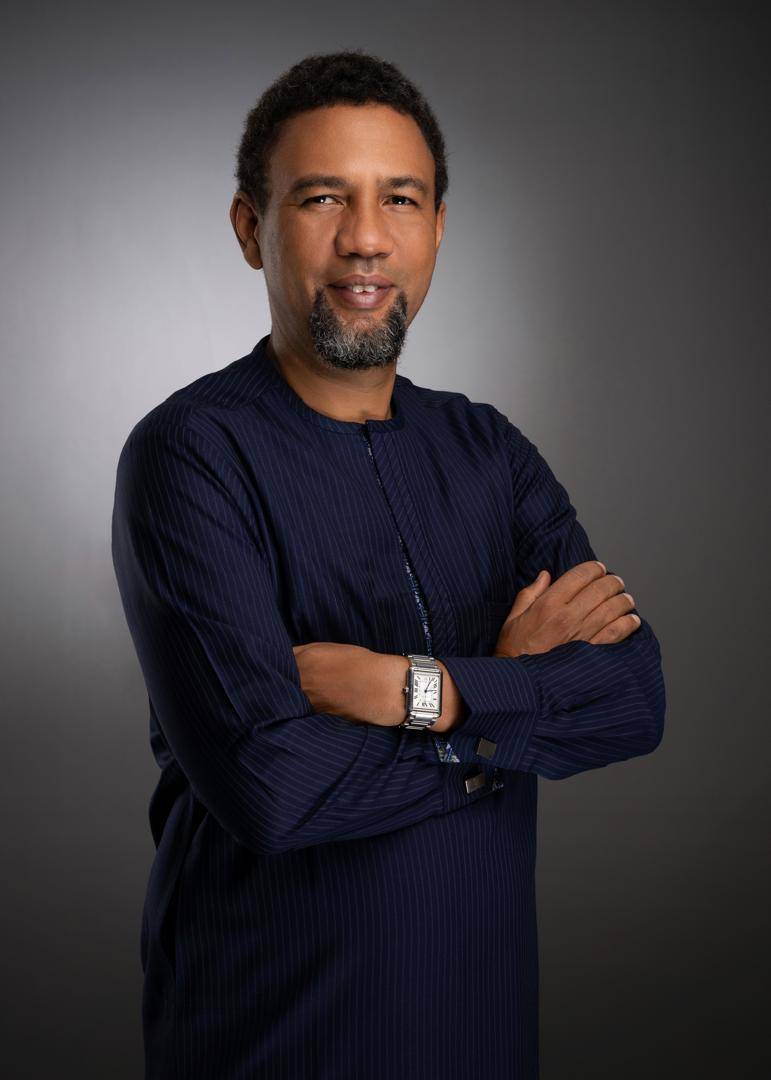
The Nigerian music industry, particularly the global phenomenon of Afrobeat, holds enormous economic potential that remains largely untapped, representing less than 5% of its true potential. This "evolving and revolving market" is viewed by veterans as a potentially "great place to put your money," noting that perpetual returns are still being enjoyed from investments made over a decade ago. However, the industry’s volatility is likened to throwing money into the ocean and hoping to catch it with a net. This unfiltered assessment, shared by music executive Ubi Franklin (founder of TripleMG, which launched the careers of Iyanya and Tekno), comes from an extensive interview on the Afropolitan platform, dissecting the harsh realities of fame, finance, and betrayal in building billion-naira businesses.
The greatest impediment to institutionalizing this massive potential lies squarely with Nigerian banks, which refuse to underwrite music assets, considering them an undue risk. Franklin highlighted the frustration of possessing a catalog generating $50,000 monthly but being unable to secure a five-year, $1 million facility from a bank. Bankers are instead comfortable funding ticketed events where returns are predictable. This conservative stance stems from the profitability of foreign exchange (FX) fluctuations; since banks are already comfortable making substantial margins through dollarization, they lack the incentive to be creative or risk-averse enough to underwrite the entertainment sector. Proposals, such as one presented internationally for a $10 million funding mechanism for African record labels, were outright dismissed by bankers who questioned why they should risk funds when alternative investments offered known returns. Franklin advocates for Nigerian banks to partner with international distributors like Universal, Sony, and Empire to localize payments, thereby capturing significant inbound funds from artists’ international streams and holding up to 70% of those funds within Nigerian banks.

Related article - Uphorial Radio

For artists, the path to a sustainable career is hampered by a lack of business structure and foresight. Many entertainers are not "structured," navigating their careers only understanding "credit and debit"—a life of simply going to the airport, performing, and repeating the cycle. A key reason artists fail to break into the "next level" is "comfort" after initial success, failing to grasp that one "will never be hot forever". Maintaining relevance, especially for those competing with the "Big Three" (Davido, Wizkid, Burna Boy), requires not just hit music, but an entire ecosystem of lifestyle, powerful relationships (knowing figures like Tony Elumelu and Dangote), and grossing $15 to $20 million annually. Franklin stressed that artists must build internal skillsets—like signing CBO who was a producer and engineer—to ensure they have something to fall back on when external support leaves. The volatility is severe because investment rests entirely on a human being who can suddenly "wake up in the morning and say they’re done," forcing managers to "rise and repeat" the hustle.
The road to success in Afrobeat was paved by sheer hustle preceding the ease of modern digital tools. Early distribution required burning music onto CDs and flash drives, then dispatching them via night bus to Alaba DJs across different Nigerian cities. Franklin detailed how, during Iyanya’s 31-city tour, he bought a camera and filmed every moment, posting raw clips to YouTube—his primary "weapon" at the time—to promote the next city's show, effectively shaping the culture through documentation before the advent of TikTok or YouTube Shorts.
However, even structured business minds are subject to Nigeria’s unpredictable climate; Franklin recounts a year where "Nigeria happened" to him, citing major business failures, including an apartment rental investment ruined by a spousal dispute and a restaurant demolished by authorities. He observed that often, failure comes not from government actions but from the actions of "a fellow Nigerian" who disrupts infrastructure, such as dumping construction debris into drainage systems, causing floods. In navigating significant debt resulting from these failures, he prioritized his "peace of mind," choosing to immediately sell a property to pay off friends rather than investing the proceeds as advised.
Finally, Franklin offered strong, albeit controversial, advice on managing personal relationships, stating that the "biggest problem of our industry is women". He explained that women closest to an artist can deceive them into making drastic decisions, urging them to leave management over money and thus "break the man" or disrupt the revenue machine being built. He advises young men to be "smart enough" to navigate these pressures, noting that while women control the environment, a man must understand his position and priorities. The key to longevity, Franklin suggests, is non-transactional loyalty, citing his long-standing, supportive relationships with artists like Davido, Iyanya, and Kiss Daniel.