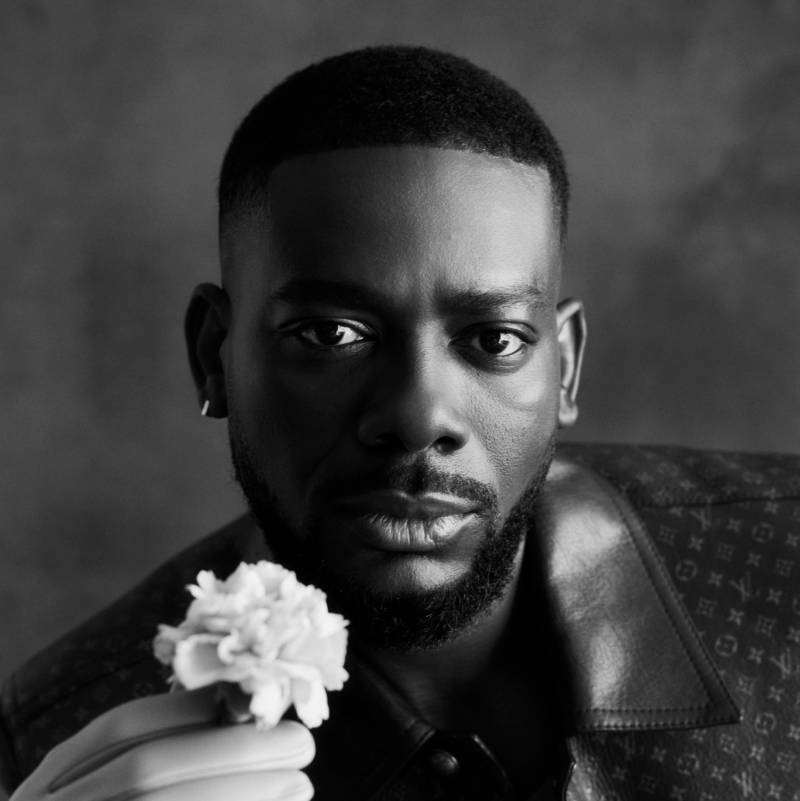
LAGOS – The discourse surrounding the future of Nigerian governance reached a boiling point this week during a high-stakes episode of The Honest Bunch Podcast, featuring a visceral exchange between prominent human rights activist Deji Adeyanju and former Senator Shehu Sani. In a debate that spanned the breadth of the nation's current socio-economic crisis, the two figures dissected the first year of President Bola Ahmed Tinubu’s administration, offering a stark look at the friction between revolutionary frustration and pragmatic political reality. The conversation served as a microcosm of the national mood, pitting the raw anger of a struggling populace against the complex, often opaque machinery of Nigerian statecraft.
At the heart of the contention was the volatile issue of the fuel subsidy removal, a policy change that has fundamentally altered the cost of living for millions. Deji Adeyanju took a firm, uncompromising stance, arguing that the removal has plunged ordinary Nigerians into a state of extreme economic hardship. For Adeyanju, the move was a catastrophic failure of social protection, implemented without a tangible safety net or clear evidence of where the resulting savings were being diverted. In contrast, Senator Shehu Sani offered a more nuanced, albeit defensive, perspective on the complexities of the policy. While acknowledging the pain it has caused, Sani challenged the Nigerian opposition and critics to provide substantive, viable alternatives. He argued that much of the criticism currently circulating is merely recycled political rhetoric that fails to account for the structural rot that made the subsidy unsustainable in the first place.
The discussion quickly widened into a scathing critique of the broader Nigerian political class, with Adeyanju pulling no punches. In what became the most contentious segment of the episode, the activist categorized the country’s major political figures—including President Tinubu, Atiku Abubakar, and Peter Obi—as "professional scammers." Adeyanju’s argument was rooted in the belief that despite their varying party affiliations, the political elite operate within a closed loop of self-interest, consistently failing to deliver on the lofty promises made during election cycles. This cynical view of the establishment was met with a call to action from Senator Sani, who urged the younger generation to look beyond the performative nature of social media activism. Sani emphasized that while digital outrage is a powerful tool for awareness, true systemic change requires young Nigerians to engage in the formal political process and infiltrate the structures of power from within.

Related article - Uphorial Shopify
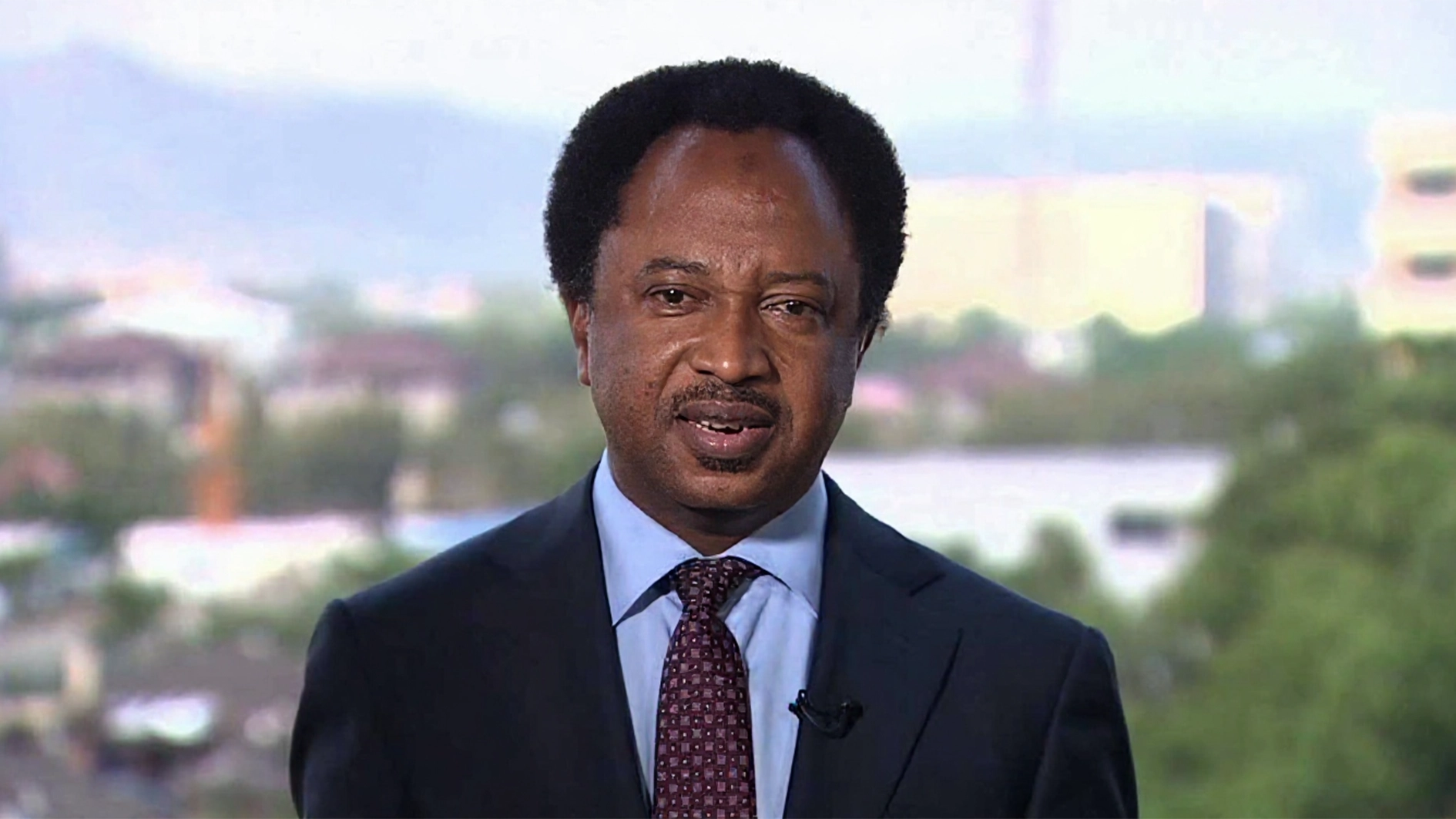
Looking toward the horizon of 2027, the two debated the viability of the current opposition. The central question was whether the parties outside the ruling APC are actually capable of mounting a credible challenge, or if they are simply "cut from the same ideological cloth." Adeyanju expressed deep skepticism, suggesting that without a fundamental shift in the character of Nigerian leadership, the next election cycle would merely be a reshuffling of the same deck. This led to a broader reflection on the "blame game" that currently defines the generational gap in Nigerian society. Sani, reflecting on his own history of activism in the 1990s, highlighted the resilience of his peers, while Adeyanju countered that the current level of systemic corruption has created a unique environment where it is nearly impossible for the average citizen to thrive, regardless of their individual merit or effort.
The episode concluded with a raw, no-holds-barred exchange on the total lack of accountability in contemporary leadership. Both guests agreed that the current democratic model in Nigeria is under severe strain, but they differed on the remedy. While Adeyanju pointed toward a system so broken that only a radical overhaul could save it, Sani maintained that the path forward lies in a shift in how Nigerians participate in their democracy—moving from passive observers to active, organized political actors. As the credits rolled, the dialogue left listeners with a sobering realization: the crisis in Nigerian governance is not just a matter of policy, but a deep-seated struggle for the very soul of the country's democratic future.