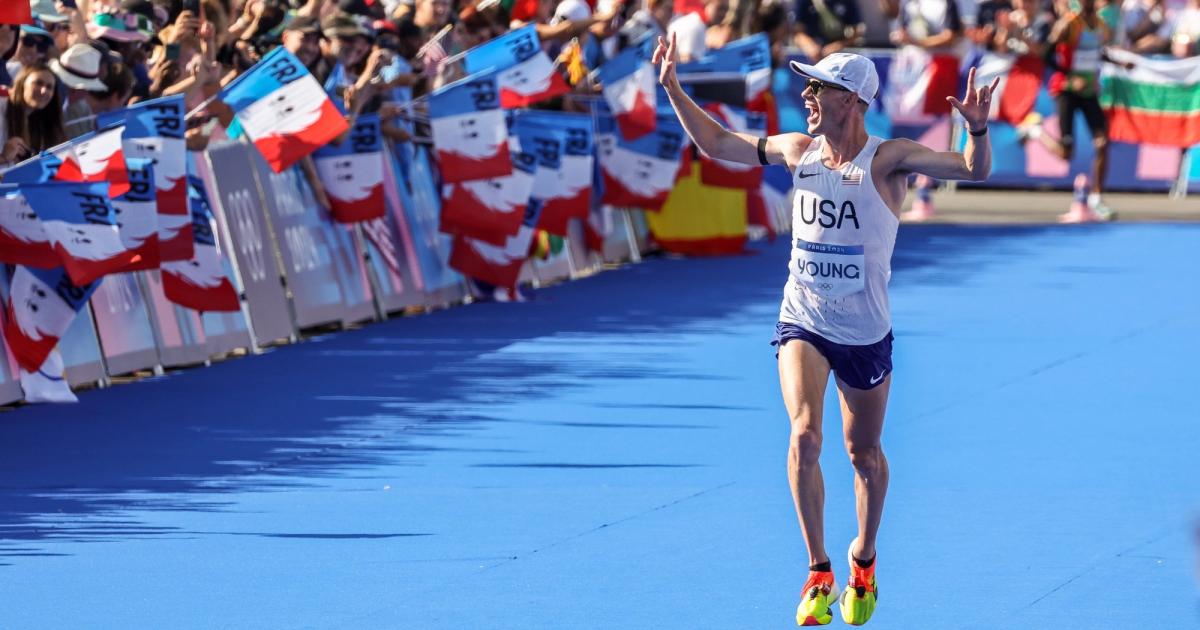
BOSTON – The world of elite marathon running is often viewed as a simple test of cardiovascular endurance, yet a detailed report on the professional life of US marathoner Clayton Young reveals a discipline rooted in sophisticated mechanical engineering and extreme physical volume. As Young prepares for the prestigious Boston Marathon and sets his sights on the ultimate goal of the 2028 Olympic Games, his approach offers a window into the evolution of the sport. It is a world where success is measured not just in minutes and seconds, but in the thousands of miles logged on the pavement and the meticulous repetitions performed in the weight room.
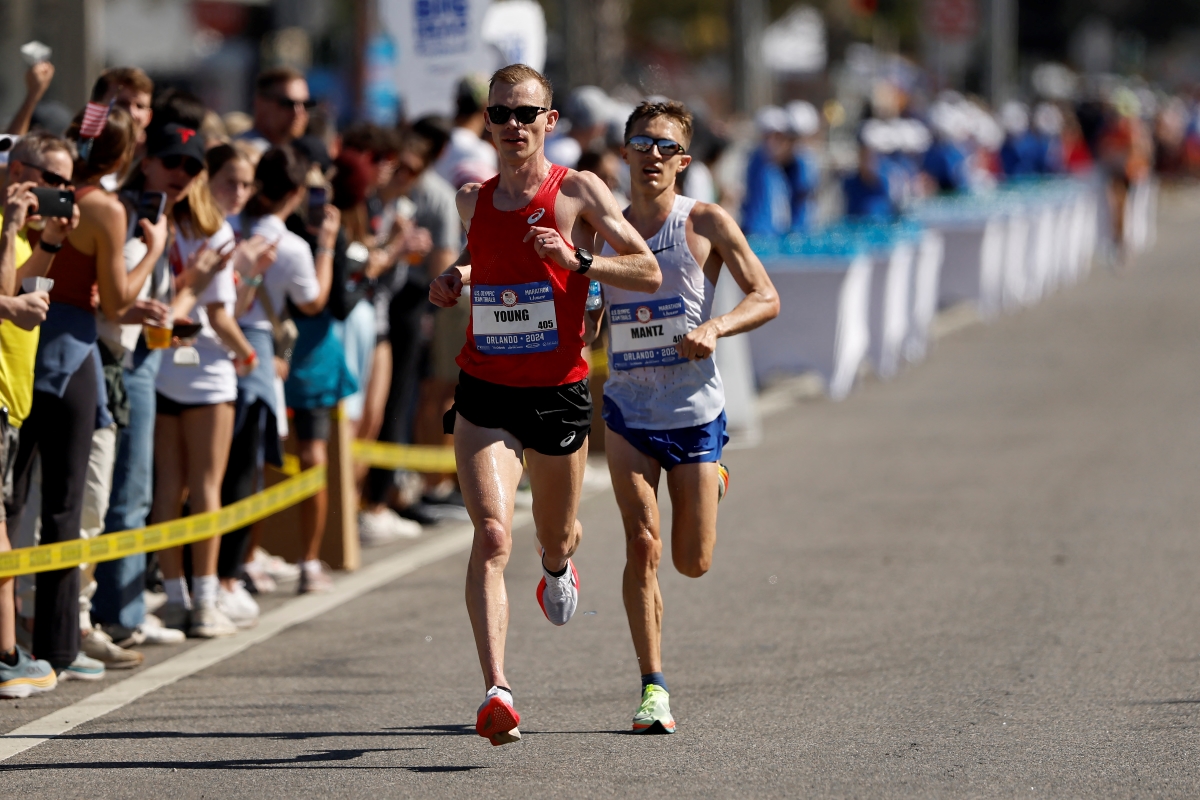
At the heart of Young’s preparation is a training philosophy built on the foundation of high-volume mileage. For an elite athlete of his caliber, there are no shortcuts to the aerobic engine required to compete at the global level. Young emphasizes that the long run remains the non-negotiable core of his program, with weekly totals often exceeding a staggering 130 miles. This level of volume is designed to build the metabolic efficiency and structural durability necessary to sustain a world-class pace over 26.2 miles. However, these miles are not merely "junk miles"; they are part of a highly structured routine that balances quantity with intense quality.
A standard workout day for Young begins long before the high-intensity efforts. The process starts with a deliberate three-mile warm-up to prepare the muscles and joints, followed by specific drills designed to prime the nervous system. The main sessions are varied and grueling, ranging from sustained tempo runs that simulate race-day intensity to high-speed intervals designed to improve his anaerobic threshold. Once the primary running objective is met, the session concludes with a focused cool-down run, but for Young, the work is only half-finished. From the track or trail, he transitions immediately to the weight room, where the focus shifts from cardiovascular output to structural integrity.

Related article - Uphorial Shopify
Young’s emphasis on strength and conditioning represents a significant shift in modern distance running, moving away from the traditional image of the "fragile" runner toward a model of the powerful, resilient athlete. He views the gym as an essential laboratory for efficiency and injury prevention. His routine is a sophisticated blend of plyometrics and heavy strength lifts designed to address the specific demands of the marathon. Exercises like DC skater bounds and single-leg hops are utilized to improve ground responsiveness and to identify and correct the subtle side-to-side imbalances that can lead to catastrophic injuries over high-mileage weeks.
The strength portion of his program is equally rigorous, featuring heavy sled pushes and pulls that build the explosive power necessary for late-race surges. These are paired with leg press calf raises to ensure that the entire posterior chain—from the glutes and hamstrings down to the quads and calves—is capable of withstanding the immense pounding of the marathon distance. Auxiliary work further refines this physical armor, including Nordic leans to protect the hamstrings, sprint-angled hip flexor work, and dumbbell lunges performed on a block to specifically activate the glutes. Ankle isometrics round out the routine, providing the stability needed to navigate technical road courses like Boston’s.
However, the physical preparation is only one aspect of the marathoner’s journey. Young is candid about the mental and physical challenges that define the sport, reflecting on the moments where the body reaches its absolute limit. He shares a particularly difficult experience from the 2021 Chicago Marathon, a race where he famously "hit the wall" in the closing stages. This phenomenon, where the body’s glycogen stores are depleted and every step becomes an exercise in pure willpower, served as a profound learning experience. It highlighted the humility required by the distance and the necessity of the rigorous training he now follows to ensure such a collapse remains in the past.
Despite the elite intensity of his own routine, Clayton Young remains an advocate for the accessibility of the sport. He concludes his reflection with an encouraging message for runners of all levels, emphasizing that while his mileage may be extreme, the fundamental benefits of running—the life-changing impact of consistent, healthy movement—are available to anyone willing to lace up a pair of shoes. As he marches toward the 2028 Olympics, Young’s career serves as a report on the intersection of human spirit and scientific preparation, proving that the road to greatness is paved with equal parts sweat, science, and the resilience to keep moving when the wall appears.