Imagine a continent striving for unity yet hemmed in by invisible walls—where citizens of neighboring countries often require visas to cross borders that, on paper, should connect them. By mid‑2025, the chasm between Africa’s visa‑friendly corridors and its most restrictive ones remains stark. This story is not just about lists and rankings, but about the lives caught amid ambition, bureaucracy, and geopolitics.
At the top of the restrictive list is Equatorial Guinea, Africa’s most closed frontier. Offering visa‑on‑arrival access to only three countries, it stands as a symbol of detachment—an oil‑rich state that has cloistered itself from continental ties. Just behind lies Eritrea, which allows entry to merely four nations, a reflection of over‑arching control and ultranationalism that has turned travel into a labyrinth.
Related article - Uphorial Podcast
Next in line stands Libya, a nation fractured by conflict, whose visa policies—though slightly more open—serve as reminders that instability breeds isolation. With fewer than six countries enjoying unrestricted access, Libya’s approach underlines how turmoil restricts ties even with neighbors. South Sudan, the world’s youngest nation, grants entry to six nations—yet ongoing governance and security challenges make its borders difficult to cross even for fellow Africans.
Algeria mirrors that pattern, permitting visa‑free entry from only six countries. Though strategically located and wealthy, bureaucratic rigidity and security politics keep its doors largely shut. Sudan, despite eight country access points, remains heavily restricted. War, sanctions, and fragmentation continue to drown its openness. Sharing the same count and rank are DRC (Democratic Republic of Congo) and Cameroon, both allowing access to eight countries only—vast nations whose internal challenges make them reluctant travelers’ hosts.
Rounding out the top ten is Gabon, barely more accessible with twelve visa‑free or visa‑on‑arrival countries, and Liberia, allowing fifteen, a slight easing but still far from the continental ideals of openness.
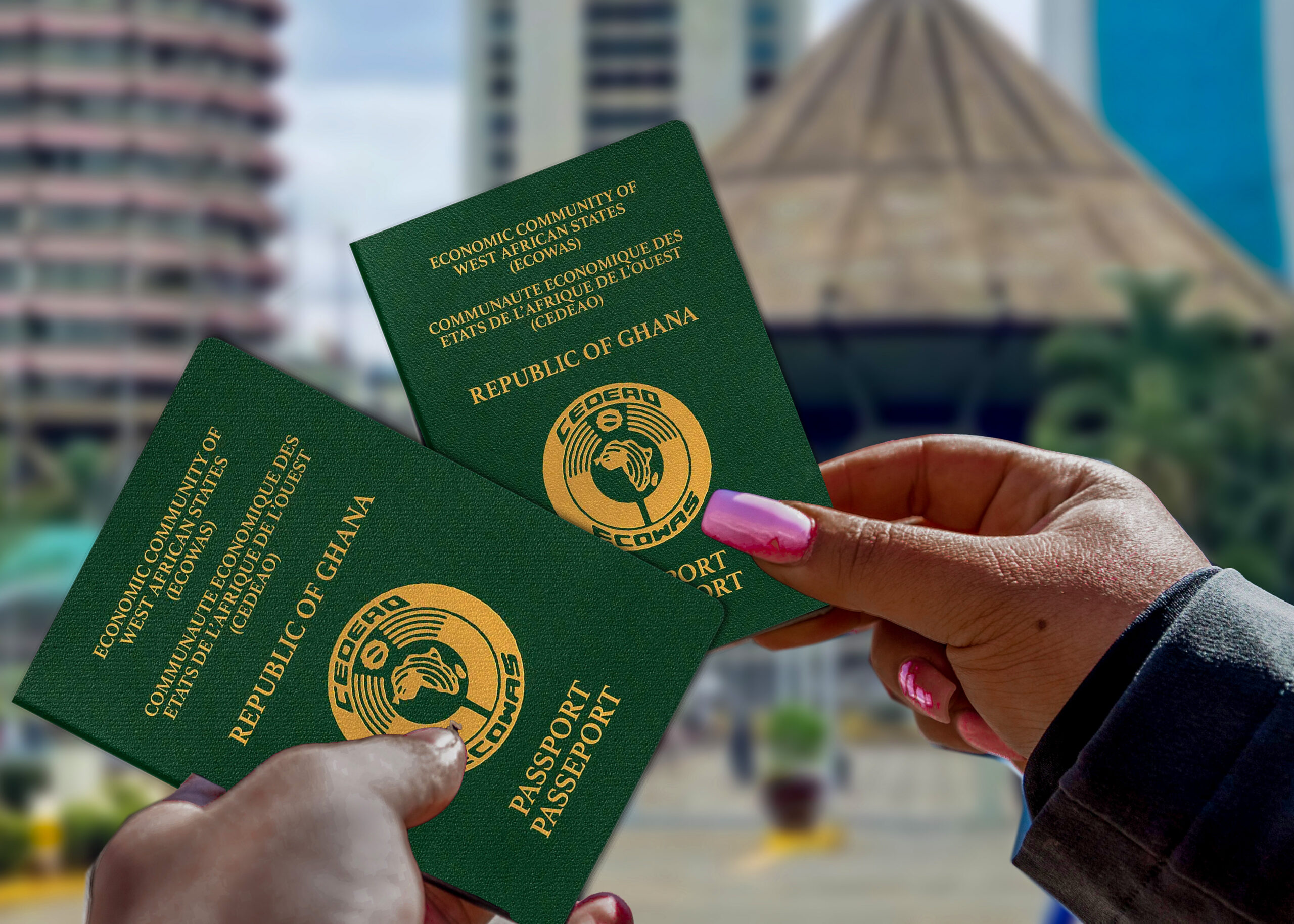
This list, however, is more than data: it's a mirror to policy failures, political inertia, and unfulfilled dreams of African integration. The African Union’s Agenda 2063 and the Protocol on Free Movement aspire to a unified continent. Yet only a handful of countries have ratified these frameworks, and fewer still have implemented them meaningfully. The result: Africans often find it easier to travel on Western passports than their own. Contrast that with progress: Rwanda now welcomes all African nationals visa‑free, and Ghana followed suit in early 2025. Kenya, once constrained by e‑visa bureaucracies, eliminated visa fees and entry hurdles in mid‑2025, becoming a beacon of intra‑continental hospitality. These nations demonstrate that bold decisions can reshape commerce, tourism, and trust. Yet for the ten countries in the restrictive list, their barriers send a different message: suspicion, control, and administrative bottlenecks—often justified by security concerns but at the cost of missed opportunities. They create economic windows unthrown, regional trade lines unlit, and cultural bridges unbuilt.
For the traveling African—whether a student, trader, or cultural ambassador—crossing into these closed nations is not just inconvenient; it’s symbolic. It reveals a paradox: the continent champions unity, yet many countries remain locked within their borders, skeptical even of friendly neighbors. The path forward demands more than policy shifts; it requires courage. Leadership must choose openness over overprotection, partnership over isolation. Because in travel, as in trade and exchange, mobility is freedom—freedom to connect, to grow, to imagine Africa as more than lines on a map. By understanding the human stakes behind these rankings, we see that visa regimes are not just legal formalities—they carry the weight of identity, opportunity, and continental destiny. And until more nations choose openness, the dream of a truly united Africa will remain as distant as the borders we cannot cross.