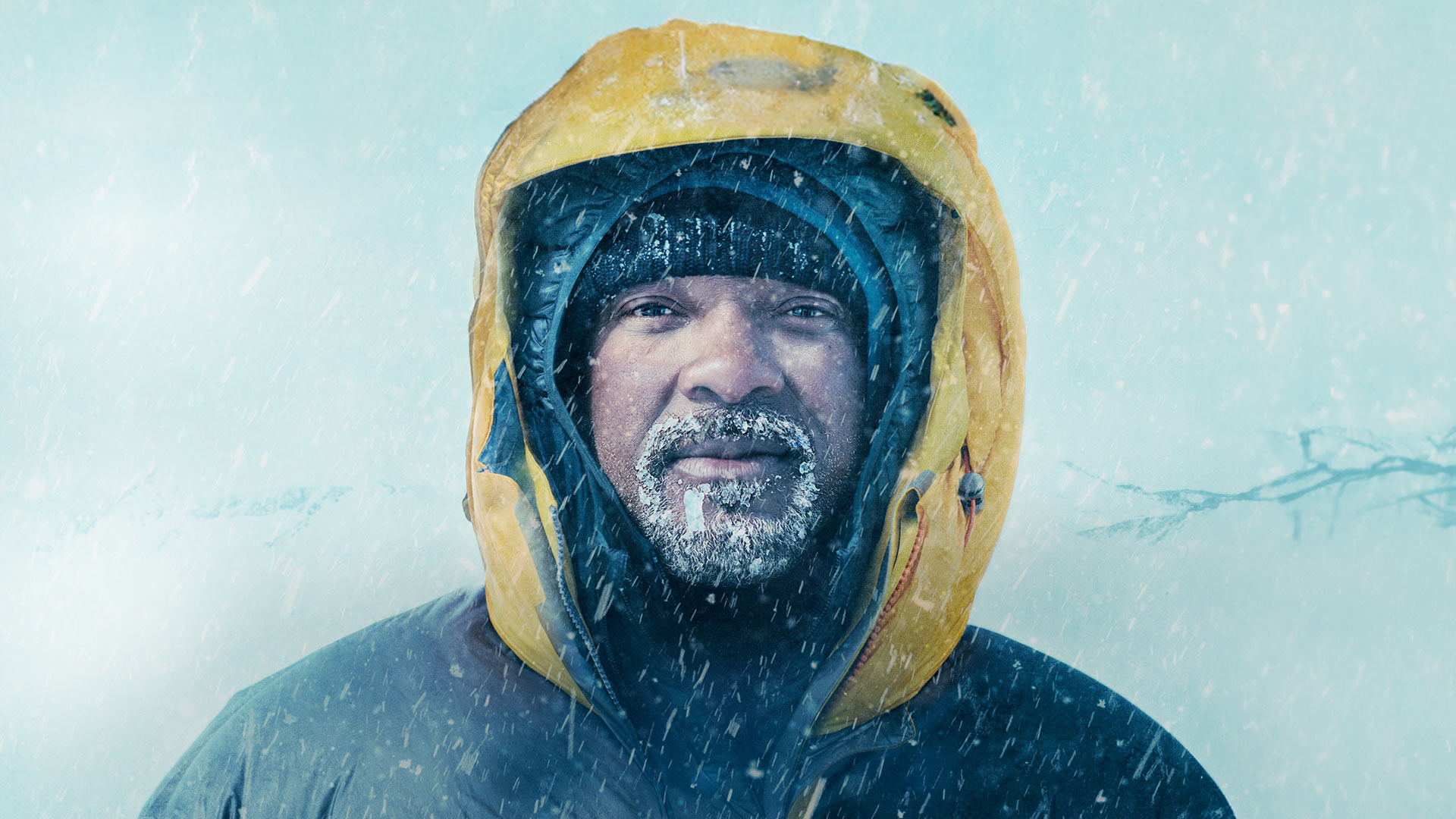
Will Smith’s descent into the sub-zero landscape of Antarctica marks a profound transition from global superstar to student of the Earth’s most extreme frontiers. Driven by the legacy of his late mentor, Dr. Allen Counter—a scientist Smith affectionately called the "Black Indiana Jones"—the actor embarked on a 100-day journey captured by National Geographic to discover the "important answers" that Counter believed only existed at the planet's furthest reaches. Stepping into the unknown, Smith began his expedition at the bottom of the world, arriving on a frozen continent characterized by a total lack of trees or birds, where the only inhabitants are a handful of explorers and scientists. Accompanied by Richard Parks, a world-record-holding polar athlete and the first person of color to ski solo to the South Pole, Smith was immediately confronted by the "most hostile environment on the planet," where temperatures can plummet to -52 degrees and hurricane-force winds exceed 70 miles per hour.
Related article - Uphorial Shopify
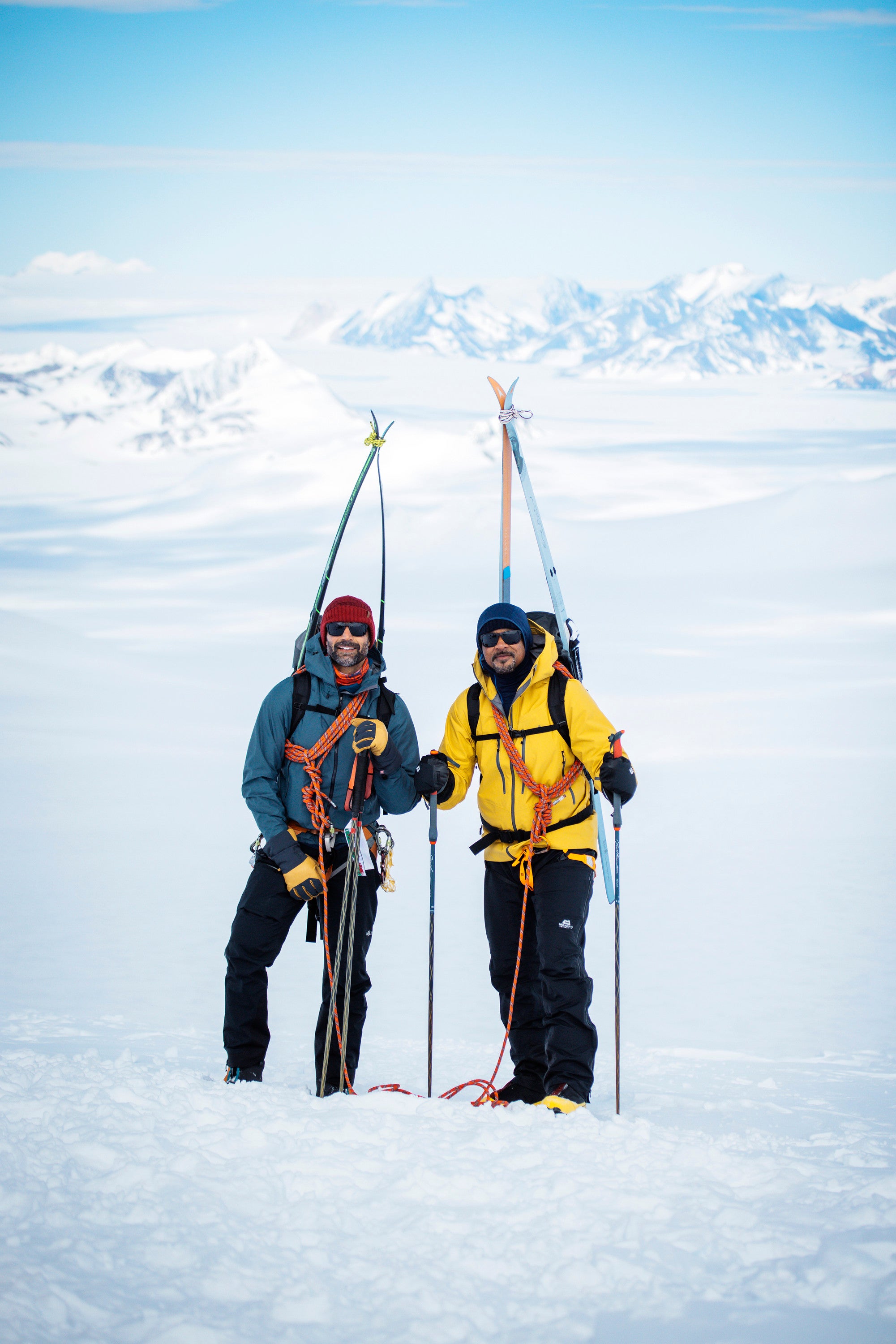
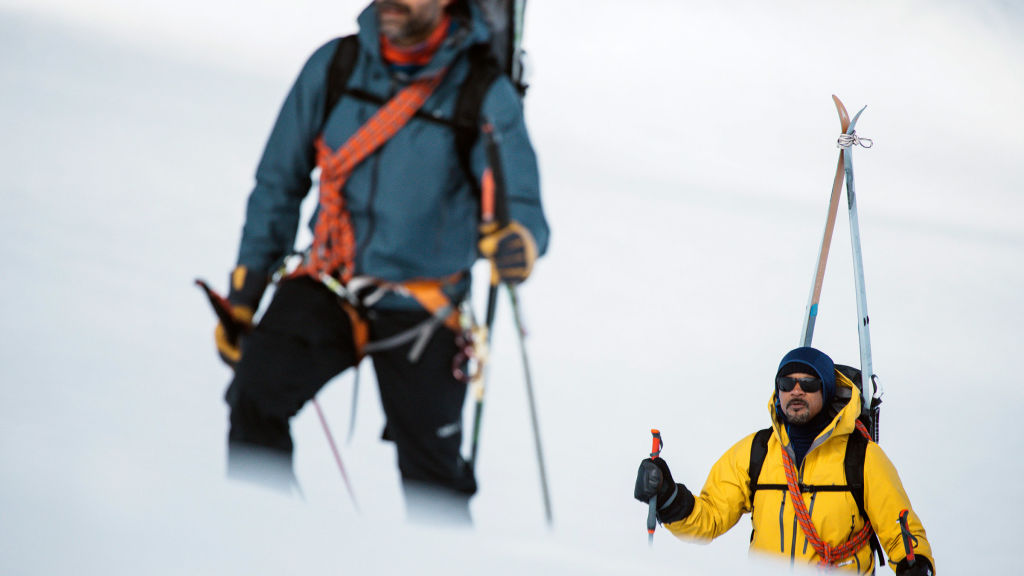
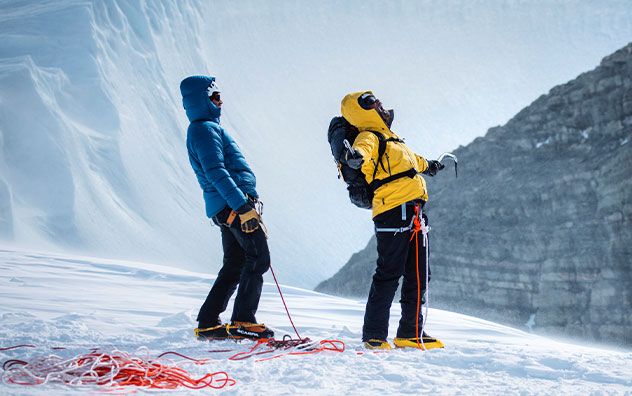
The expedition revealed the paradoxical nature of Antarctica as a "snow desert," holding 60% of the world’s fresh water yet receiving less annual rainfall than the Sahara. During an intensive training phase, Smith navigated the physical and psychological toll of the landscape, which included climbing a 300-foot vertical wall of hard ice amidst volatile weather shifts. This ascent served as a crucible, forcing Smith to acknowledge that "Mother Nature is actually in charge" as he struggled against wind that "cuts like a knife". Beyond the physical strain, the journey fostered a deep emotional connection between the two men; Parks shared how the silence of Antarctica helped him recover from a career-ending rugby injury and depression, while Smith reflected on his own recent "storms" and the necessity of "moving forward" into adversity.
A pivotal stop at Criosfera 1, a remote Brazilian research outpost, reframed the ice from a mere obstacle into a vital historical archive. Scientist Heitor explained to Smith that the ice acts as the "hard drive of the Earth," preserving global history in layers similar to the rings of a tree. By analyzing these layers, researchers can track the proliferation of coal and the rise of the internal combustion engine over centuries. However, this archive is under threat from "atmospheric rivers"—massive streams of warm, moist air in the sky that carry fifteen times more water than the Mississippi River. When these rivers reach the frozen desert, they trigger significant melting, dropping Earth's frozen history into the ocean with global consequences. This realization shifted Smith’s perspective, highlighting the profound interconnectedness of the planet and the urgent need for its care.
The final seven-mile trek across the Polar Plateau to the geographic South Pole became a test of sensory deprivation and mental endurance. In an environment that felt like the "surface of the moon," the lack of sound and smell created a disorienting experience where "everything looks exactly the same". Reaching the absolute bottom of the Earth, Smith dedicated the milestone to Dr. Counter and expressed a newfound appreciation for an "ice world" he once thought was lifeless but now recognizes as central to life as we know it. This successful trek to the Pole, facilitated by the storytelling of National Geographic, serves as the foundation for his continued exploration of the planet's extremes, with his next destination set for the biodiversity of the Amazon.