The ocean encompasses two-thirds of our planet and serves as the primary stage for some of Earth's most heroic travelers. As documented by Nat Geo Animals, these species often go to extraordinary lengths to bring new life into the world, undertaking migrations that can span from the tropics to the poles. These journeys, which may take weeks or an entire lifetime, are driven by a single, vital mission: securing the future of the next generation. On Australia’s Great Barrier Reef, this cycle is epitomized by the green turtle hatchling, whose lifelong ocean journey is just beginning. This small creature embarks on one of the longest migrations in the world, following a singular mantra as it navigates the vastness of the sea.

Related article - Uphorial Shopify
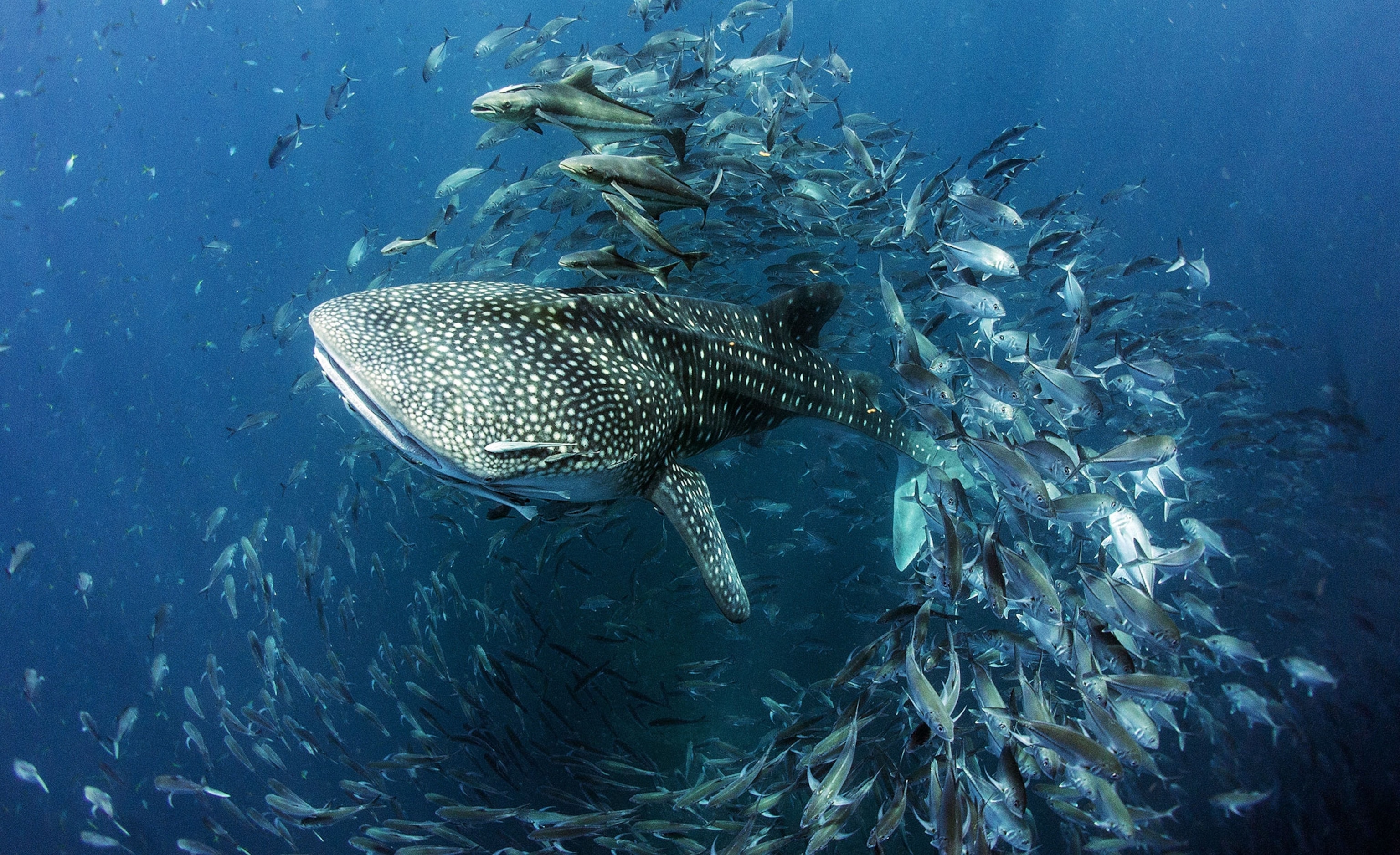
New Life Under the Sea (Full Episode)
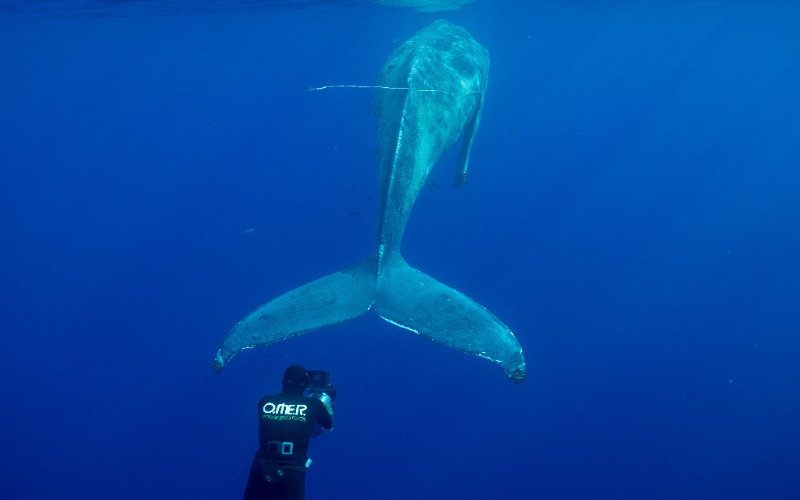
The scope of these migrations extends far beyond the reef, encompassing one of the longest mammal journeys on the planet. Nat Geo Animals traces this path 3,000 miles north across the Pacific to Alaska, where a mother mammal travels so she can finally find sustenance. Meanwhile, in the Indian Ocean, the timing of nature's miracles is often triggered by the onset of monsoon rains. On a tiny speck of land, the Christmas Island red crab—a creature about the size of a human hand—begins her own mission to become a mother. Though she may not appear impressive in size, her trek represents a deep evolutionary tie to the sea where her species first began. Whether navigating the open Pacific or the forest floor of a remote island, these animals exemplify the relentless drive required to sustain life in an ever-changing world.